
POPULARISING SCIENCE
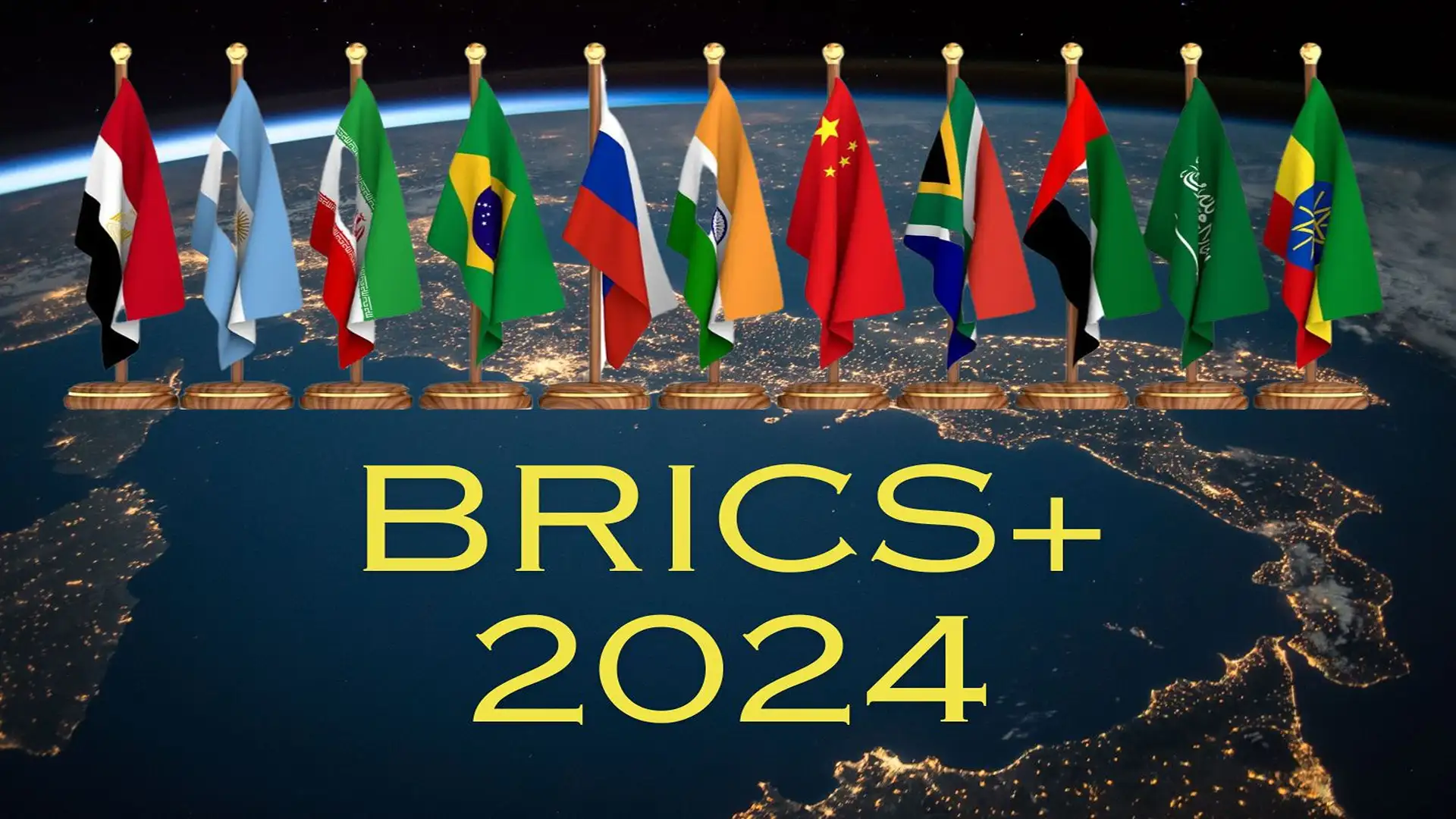
BRICS nations can cultivate a generation of scientific innovators capable of driving forward the development of innovations at par with the advanced nations.
By Lt Gen GAV Reddy (Retd)
|
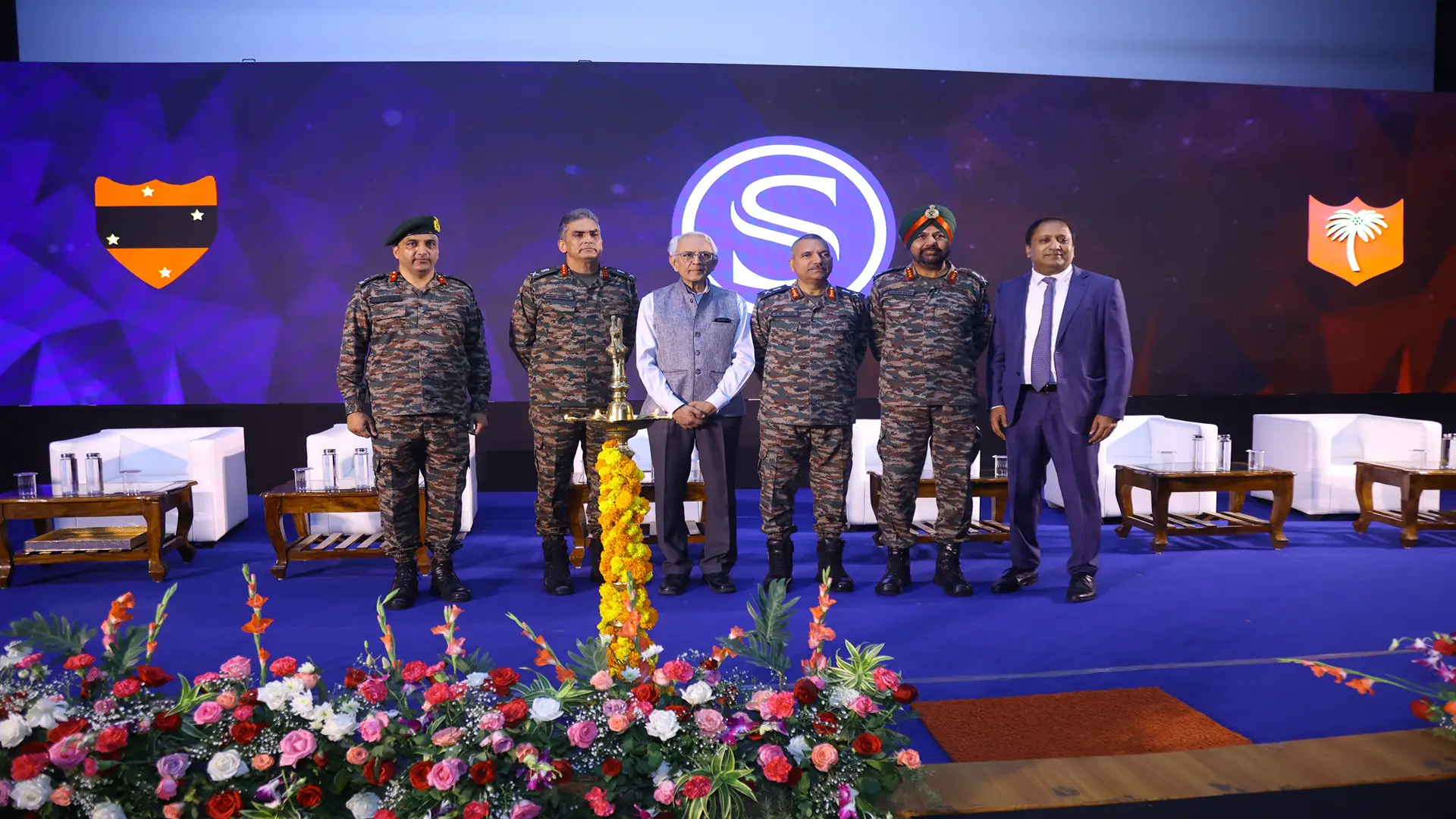
This article expounds the views of the Synergia Foundation expressed at the BRICS International Municipal Forum, organised by the Government of Moscow in Moscow from 27th to 28th August 2024. |
Science and technology play a critical role in advancing societies, especially in megacities where infrastructure challenges can be met through innovative, scientific solutions. By popularising science, we can foster a generation of thinkers, problem solvers, and innovators who will push scientific achievements forward and help commercialise developments to address urban challenges.
Taking Science to the Masses
Popularising science is essential for developing the next generation of scientists, engineers, and researchers who can drive societal progress. A well-informed public that values scientific principles is more likely to support science-driven policies and commercial ventures to improve municipal infrastructure. However, the key to fostering this interest lies in making science relatable and understandable. While important, traditional science teaching methods are often not enough to spark widespread interest. Therefore, a shift towards interactive, hands-on experiences that integrate technology and real-world applications is necessary.
In megacities, where infrastructure and urban planning issues are often complex, popularising science can help inspire young minds to engage in solving these real-life challenges. A scientific temper is critical for sustainable urban living, from traffic management to energy efficiency and waste disposal. Building a scientific culture through education, community engagement, and interactive technologies can nurture the innovative thinking necessary to drive scientific achievements.
Today’s younger generation is constantly hooked online. Therefore, it makes sense to engage young minds in science through digital platforms, making learning interactive and immersive. Digital technologies such as interactive mobile apps, augmented reality (AR), and virtual reality (VR) offer new ways to present scientific information engagingly. These tools allow users to visualise complex scientific concepts and phenomena in 3D or augmented forms, making abstract ideas tangible and easier to understand.For example, an AR app that shows the internal structure of buildings or a VR tour of a scientific facility such as CERN can make science both accessible and exciting. These technologies allow students and enthusiasts to experience science firsthand, from understanding how a city’s water filtration system works to visualising the intricate workings of a nuclear reactor. Digital tools provide a sense of adventure and discovery, which can motivate young minds to explore scientific disciplines in greater depth.Moreover, the gamification of scientific learning, through platforms that turn the learning process into a game, can make the experience more engaging. With points, levels, and rewards for mastering scientific concepts, students are motivated to compete, collaborate, and continuously improve their knowledge in a fun and immersive environment.
Why Youths are Shying Away from Science
Many young people perceive science as inherently difficult or complex, leading to a lack of confidence in their ability to understand or excel in scientific disciplines. Traditional science education often fails to connect scientific concepts with everyday experiences or potential career paths, making it seem abstract and irrelevant to many students. Persistent stereotypes about who can be a scientist may discourage young people from underrepresented groups from pursuing scientific interests. In an era of instant gratification and engaging digital content, traditional science communication methods may struggle to capture and maintain young people's attention.
Many educational institutions lack modern laboratory equipment, up-to-date textbooks, or qualified teachers, hindering effective science education. Some educational systems prioritise rote learning of scientific facts rather than fostering curiosity and problem-solving skills, making science seem boring.
The scientific process inherently involves trial and error, but many young people are discouraged by the prospect of failure, especially in high-stakes academic environments. Many students are unaware of the diverse career opportunities in science, technology, engineering, and mathematics (STEM) fields, limiting their motivation to pursue these subjects. The fast-evolving nature of scientific knowledge can make it challenging for educators and communicators to stay current and convey the latest developments effectively. Technical, scientific language can be intimidating and off-putting for young people, particularly those from non-English speaking backgrounds or disadvantaged socioeconomic groups. Science is often taught in isolation from other subjects, missing opportunities to connect it with art, literature, or social sciences, which could make it more appealing to a broader range of students.
In some countries, students are required to specialise early, potentially closing off scientific paths before they can fully explore their interests.Addressing these challenges requires a multi-faceted approach involving educators, policymakers, scientists, and the media.
Innovative Measures to Make Science Attractive
Engaging young people in science requires a blend of educational innovation, real-world exposure, and mentorship. Mentorship Programs such as pairing young students with established scientists and researchers provide them with guidance, inspiration, and insight into scientific careers. Mentorship programs allow students to see the real-world applications of scientific work and to build relationships with professionals who can nurture their passion for science.
Hands-on Maker Spaces and DIY Science Kits include creating spaces where young people can engage in hands-on scientific activities, such as building models, conducting experiments, or working on engineering projects, which fosters creativity and critical thinking. Maker spaces equipped with scientific tools and materials allow students to explore science practically and interactively. Similarly, take-home DIY science kits encourage experimentation outside the classroom, promoting lifelong learning.
Cross-Cultural Science Exchange Programs and exposure to diverse perspectives and scientific methodologies can broaden students' understanding of science. International exchange programs focusing on collaborative research projects or joint scientific initiatives help build a global scientific community. These programs are particularly important in addressing urban challenges faced by megacities, as they promote the exchange of knowledge and innovative solutions.
Popularising science requires a mix of creativity, collaboration, and leveraging modern media platforms. Several methods can be used to attract more people to science, including:
Citizen Science Projects
:
These platforms encourage public participation in real scientific research. Projects like air quality monitoring in urban spaces or biodiversity tracking can involve citizens in data collection, analysis, and even hypothesis development. By empowering individuals to contribute to real-world scientific studies, the public becomes invested in the process and outcome of scientific
endeavours
.
Science-Themed Escape Rooms and Adventure Games
: These immersive experiences challenge participants to solve scientific puzzles to progress through the game. Escape rooms, whether physical or virtual, can be themed around scientific disciplines such as biology, physics, or environmental science, encouraging participants to apply scientific knowledge in creative and challenging scenarios. These interactive experiences make learning science fun, memorable, and highly engaging.
Partnerships with Social Media Influencers
:
Leveraging the power of social media platforms and influencers can help bring science to new, broader audiences. Popular figures who can explain science in fun and relatable ways have the ability to inspire their followers to take an interest in the subject. Social media is an ideal platform for science challenges, experiments, and discussions that can reach millions of viewers.
Pop-up Science Exhibits in Public Spaces
: Setting up science exhibits in high-traffic areas like parks or shopping malls allows science to meet people where they are. Interactive displays, demonstrations, and engaging visuals can spark curiosity in passersby, particularly those who might not seek scientific content independently.
Best Cases from Around the World
Around the world, countries have made significant efforts to popularise science, some of which have direct implications for megacities and urban infrastructure.
India’s Vigyan Prasar
is a government initiative that aims to popularise science among the masses, particularly the youth, through a combination of publications, science films, and digital media. The initiative organises workshops, exhibitions, and interactive sessions that explain scientific concepts in simple and engaging ways. The National Science Day in India, celebrated yearly, also serves as a platform for public engagement in scientific discussions.
UK’s Science Museum in London
is a world-renowned
centre
for science engagement. It uses exhibits, hands-on workshops, and interactive displays to educate the public on various scientific topics, from space exploration to climate change. The museum's use of VR and AR technology to explain complex scientific phenomena particularly draws young audiences.
United States Citizen Science Projects
like SciStarter connect everyday people with scientific research projects. Citizen scientists can participate in a wide variety of projects, including monitoring water quality in cities and tracking light pollution. This not only helps scientists gather crucial data but also engages the public in scientific work that directly impacts urban living.
Brazil’s Science Without Borders
program is an exchange initiative that sends Brazilian students abroad for training in STEM disciplines. By exposing students to international scientific research and development standards, the program aims to build a knowledge economy that can support infrastructural advancements in Brazilian megacities.
Japan’s Miraikan
(National Museum of Emerging Science and Innovation) in Tokyo offers hands-on exhibits and cutting-edge demonstrations of scientific concepts.
Synergia Takeaways
Digital Integration in Science Education: Incorporating AR, VR, and gamification into educational curriculums can make science more appealing and accessible to students in BRICS countries. These technologies allow students to explore complex concepts in engaging, immersive environments, fostering a deeper interest in scientific fields.
Citizen Science Initiatives: Encouraging public participation in scientific research through citizen science projects can help bridge the gap between professional scientists and the general public. This approach can increase awareness of how science is applied to real-world problems, especially in urban settings.
International Science Exchange Programs: Facilitating science exchange programs between BRICS countries can lead to cross-border collaborations that foster innovation. These programs should address shared urban challenges like pollution, waste management, and sustainable infrastructure, providing young scientists with the tools they need to effect change.