
DEFENCE DIPLOMACY IN THE REGIONAL CONTEXT
Aside from its traditional applications, military power can also be channelled positively for a wide range of diplomatic and cooperation efforts.
Lt Gen P S Minhas, AVSM, Commandant OTA, Gaya
Defence diplomacy has become an increasingly popular tool for nations to advance their national interests and foster international cooperation. Since there is no universally agreed-upon definition for the term "defence diplomacy", there is room for countries to tailor its meaning to suit their specific security policies. As an instrument for defence cooperation, it plays a crucial role in a nation's broader diplomatic efforts to secure its interests and promote regional and global peace and stability.
Multifaceted Tool for Cooperation
Nations wield various instruments of power, with military power being just one of them. While it may be a small component within the broader scope of national power, it plays a significant role.It’s important to understand that military power, aside from its traditional applications, can also be channelled positively for a wide range of diplomatic and cooperation efforts.
Through cooperative engagements like military-to-military (M-to-M) interactions, defence personnel participate in a wide spectrum of activities. These range from individual nation-to-nation and region-to-region interactions to institutional forum engagements. At the higher end of this spectrum is defence diplomacy, conducted at the apex level, involving a whole-of-government approach to foster strategic cooperation.
At the individual service level – be it the army, navy, air force, or others – these engagements occur through various means: institutional forums, apex-level meetings, function-level discussions, subject matter expert exchanges, joint exercises, seminars, and capacity-building initiatives.
In India's case, defence diplomacy encompasses a diverse set of activities, including defence dialogues, military exchanges, training, capacity building, information sharing, humanitarian assistance and disaster relief (HADR), peacekeeping, staff-level talks, and defence-industrial cooperation. We must recognise India’s growing role as a security provider, especially in South Asia, and its evolving contributions to regional security and stability.
Contemporary Landscape
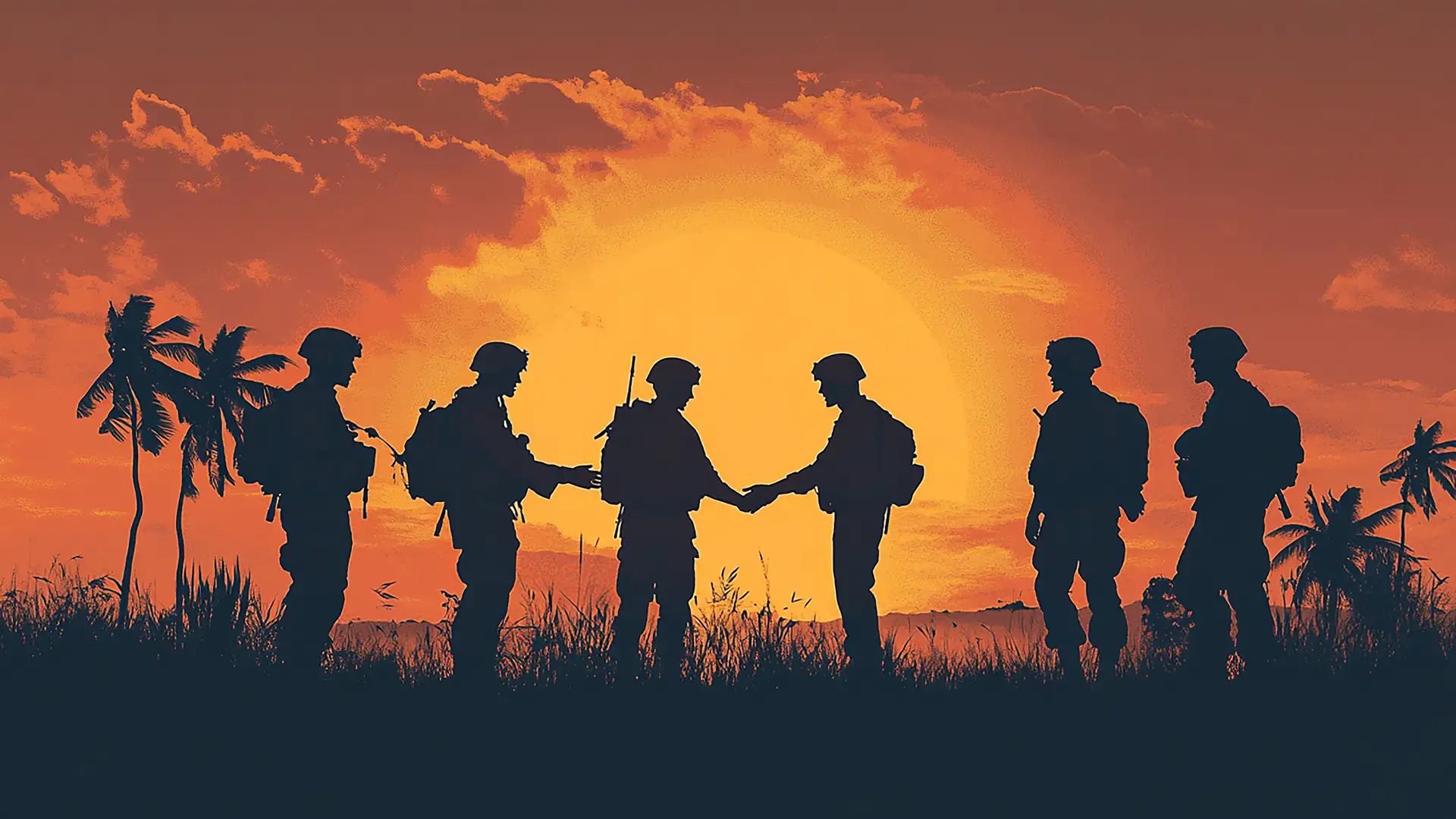
So, what does defence cooperation mean today? It means building bridges of friendship, constructing culverts of cooperation, and establishing pontoons across the waters of misunderstanding. It's about mutual capacity-building, enhancing confidence, and strengthening ties.
When people from different nations meet regularly, discuss, and engage with each other, their perceptions evolve. Relationships deepen, and with recurring engagements, trust and understanding grow. Defence diplomacy and cooperation can cement ties between nations and foster a more stable, united future.
When suitably orchestrated, defence cooperation must be integrated at every level – even in small, incremental steps that can be gradually implemented. In the past, the world adopted a militaristic approach driven by insecurity. The new approach, however, is security-driven and motivated by cooperation. This is the current buzzword and reflects the global and regional orientation.
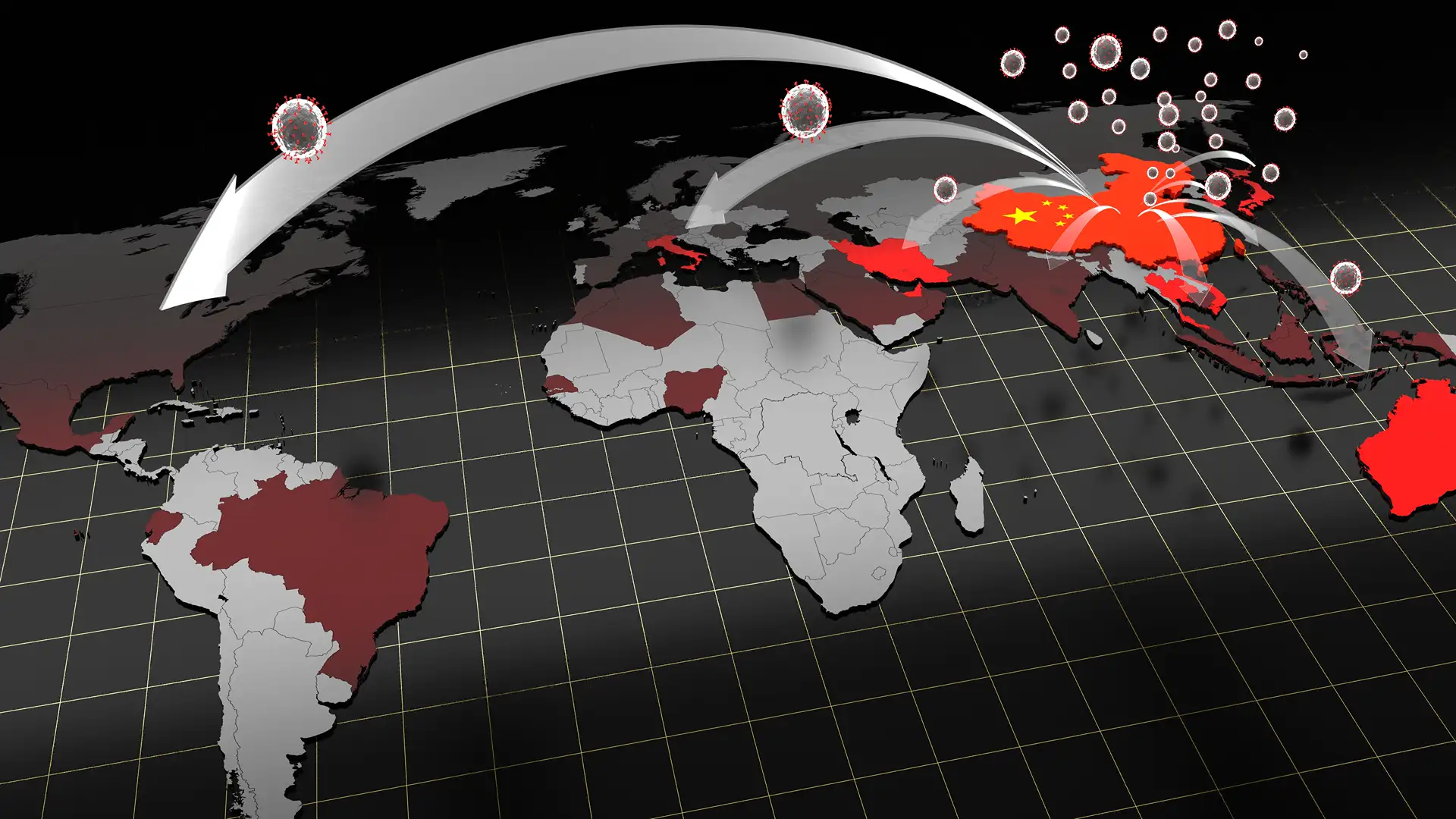
Beyond defence cooperation engagements, we also have international obligations such as humanitarian assistance, disaster relief, peacekeeping operations, safeguarding sea lanes of communication, and ensuring maritime security. Whether it's dealing with natural disasters like cyclones, earthquakes, or pandemics such as COVID-19, these contingencies will arise repeatedly. Engaging with one another builds trust and confidence to handle such challenges and hone interoperability.
Next Steps
Much has been said about the 21st century being the "Asian Century." Poverty alleviation is crucial in this context. While many talk about preventing conflicts, achieving, maintaining, sustaining, and retaining peace is equally important. This proactive and positive orientation is more vital than merely focusing on conflict prevention.
While we all strive for non-violence, there are different ways to achieve it. Some believe that maintaining the capability to wield force when necessary – and for just causes – ensures non-violence. While every nation has instruments of power, we must focus our efforts on achieving and sustaining peace rather than solely avoiding conflicts. This larger, collaborative effort requires nations to engage in dialogue, learn from one another, and adapt to new challenges. Once we've laid out the roadmap, the real work begins the next day. The tough job is implementing what we've discussed and turning plans into tangible actions.
In conclusion, our region and the world stand at a pivotal moment. We can create a secure, stable, and united future by focusing on defence cooperation, building bridges of trust, and striving for peace. Let us work together – listen, learn, and adapt – to achieve the shared vision of a peaceful and prosperous tomorrow.
|
"We must focus our efforts on achieving and sustaining peace rather than solely avoiding conflicts. This larger, collaborative effort requires nations to engage in dialogue, learn from one another, and adapt to new challenges." |