
THE FUTURE OF WARFARE AND ITS CHALLENGES
Future conflicts will probably be more complex, more lethal and more contested.
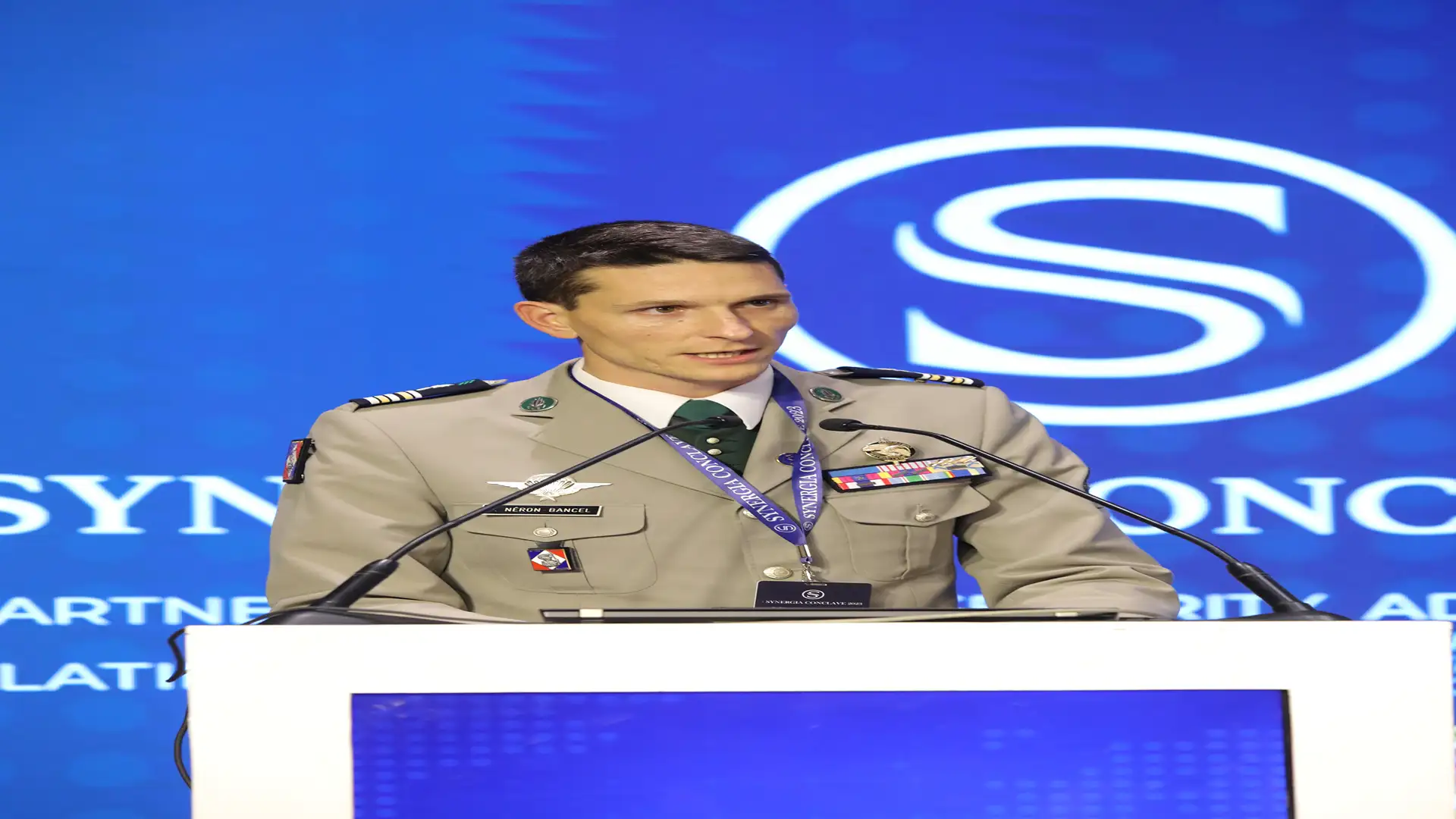
Lieutenant Colonel Pierre Néron-Bancel, research military fellow at the French Institute of International Relations
There is an idiom in French attributed to the famous emperor Napoleon that says impossible does not belong to the French language. Beyond encouraging boldness and imagination, it underlines, when applied to strategic thinking, the need to think about strategy and thought and prepare for the unthinkable.
Foresight and anticipation are difficult exercises but essential strategic functions for navigating a volatile, uncertain, complex and ambiguous world. Primarily, armed forces must anticipate being ready for warfighting tonight while acting daily to win the war before the war really happens.
The Triptych of Modern War
Klaus Witt's metaphor of war as a chameleon, ‘War's nature endures, though the character of war evolves permanently,’ endures to date. If we fail to understand this evolution and dynamics, we are condemned to prepare to fight for the previous war. The classical continuum of peace–crisis–war has shifted to a triptych composed of competition, contestation, and confrontation.
Discrete analysis bears a more realistic vision of competition as the normal state of relationships between states. This implies a necessity to act and influence as of the competing stage. The military effects are not limited to warfighting. Contesting actions under the threshold of conflicts and hybrid strategies in the green zone requires that the force have a strategic effect to influence the auditor before a confrontation. That is what the French Joint Chief of Staff calls winning the war before the war. However, the coexistence of these three states of relations implies that we must be ready to intervene in a major war that we did not choose to fight if an adversary decides to go beyond the contesting stage to reach a decision by force.
In this context, future conflicts will probably be more complex, lethal, and contested.
First, wars will be more complex. Warfighting domains have extended from three to six or seven in the French case in the past years. Land, sea, air, space, cyber, electromagnetic and information or cognitive domain. This extension complicates the interaction between actions in each of these domains that provide physical and material effects that must be integrated. The strategy must become more holistic since warfighting has invaded all the fields of human activity, such as finance, information, energy, and food supply.Hybrid strategies add to these complexities, making situation awareness and understanding more difficult.
The second tenet of future warfare is lethality. Western armies are preparing for the return of high-intensity conflicts, what we used to call major wars. Such warfare is characterised today by unprecedented battlefield transparency, a predominance of fires optimized by hyper-connectivity and data fusion.All these factors increase the attrition rates, advocate for the quality of numbers, and underline the challenges of human resources, ammunition supply and stocks, armies and nation resilience, and potential regeneration. The Ukraine war epitomizes this rate of attrition with, for example, more than 3,000 main battle tanks destroyed, damaged or captured by the two sides during the 20 months of the war.
Last, wars will be more contested. We are living at the end of the Western operational comforts and air supremacy with the development of anti-access, anti-air denial capabilities and the ability of even medium powers to contest what we call the commons. The past years have witnessed more powerful non-state actors displaying techno-guerrilla capabilities that can undermine high-tech combat forces' superiority. For example, contestation of the freedom of navigation will be a major threat in the years to come. On another aspect, our modern societies are increasingly reliant on digital technology, hence more vulnerable to cyber-attacks. Eventually, our narrative and values will be increasingly contested in the information domain through disinformation and counter-narratives levered by the potential of digital technologies. This evolution of warfare will foster many challenges to overcome. Challenges, for example, to access and endure on the battlefield. Challenges of understanding, transparency and surprise, challenge of connectivity and command and control, challenge of aggression and protection of the force, challenge of autonomy and human responsibility, and last example, challenges of industrial and national resilience.
The French Perspective
Strategic autonomy is the core concept of French strategic posture, understood as the autonomy of sovereign decisions and actions. There are three key tenets of autonomy–knowledge for decision, the means for action, and the partnering posture.
French security strategy identifies knowledge, understanding, and anticipation as keys to strategic functions and is understood as the means for an autonomous assessment capability. It includes intelligence, diplomacy, anticipation, knowledge about theories of operations and information management.
The armed forces contribute to collecting low early warnings and identifying patterns and intents to assess when a threshold has been crossed. This is particularly critical in environments where threats are not easily attributed and play on ambiguity to create fait accompli. Border and national air and maritime space control, monitoring of satellites and debris in space, cyber defence or involvement in maritime domain awareness multinational initiatives are good examples of implementing this priority.
The complexity of modern warfare requires first to upscale our combat tool to a strong and credible full-spectrum military capability, fit for large-scale combat operations and high-intensity warfare. France aims to develop a credible, well-balanced, coherent armed forces model capable of acting across the entire spectrum of conflict, integrating effects from and to all warfighting domains, and aiming at dominating every domain, including the non-kinetic environments, especially the information domain.
Key organization qualities are robustness and endurance, but a high level of agility is required to respond to an unexpected crisis. A strong and resilient defence industry is another key requirement to face the demands of high intensity and long-term dominance. Developing the defence industry requires focusing on the biggest partners and the tens of thousands of SMEs that contribute to the national effort for defence and security. This priority to strengthen the industrial base through diversified supply networks, protected industrial ecosystem and funded R&D is a shared concern with the Indian defence. This effort requires a confident partnership between the armed forces and the defence industry.
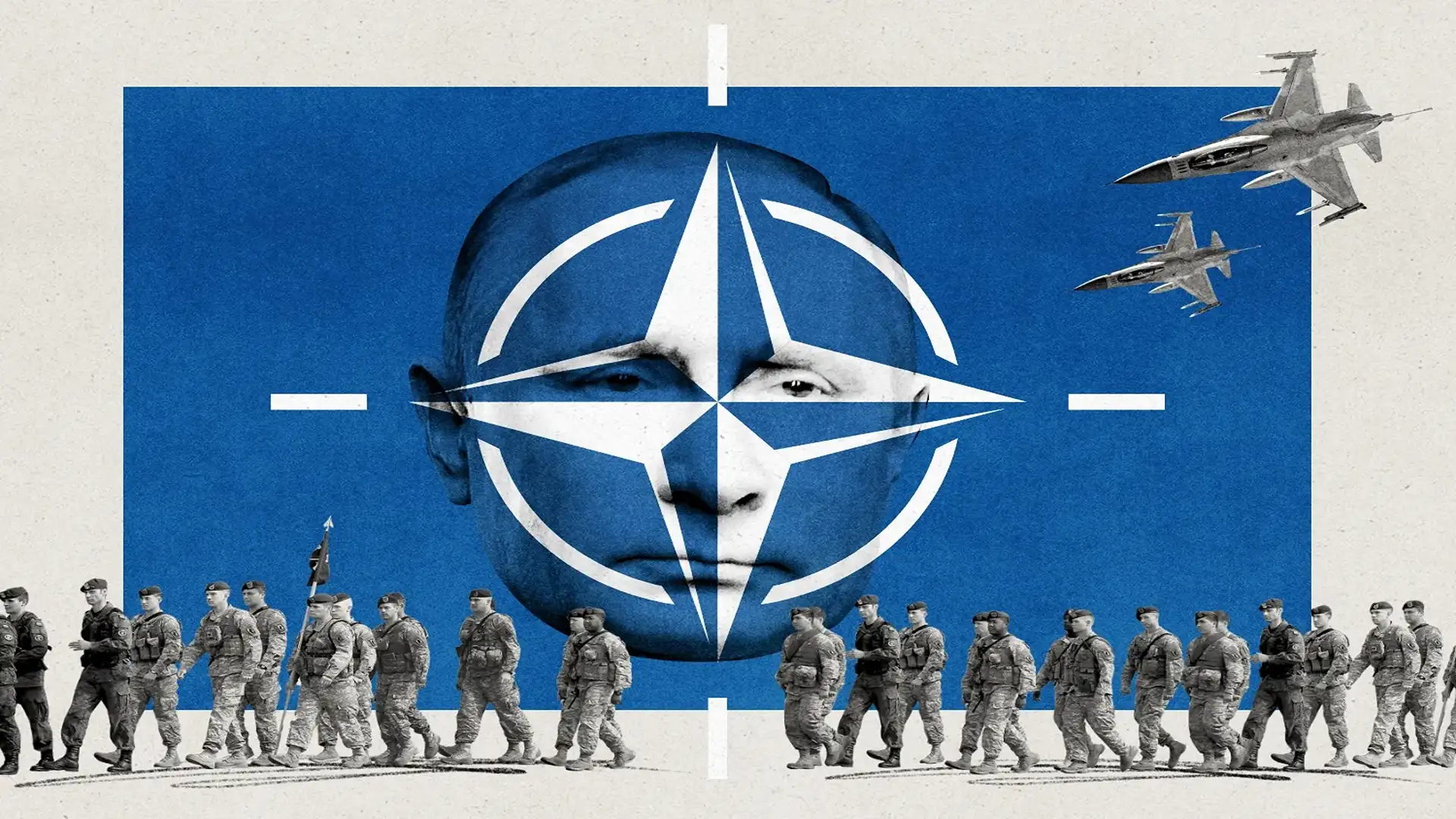
The tenets of modern warfare make alliances and partnerships all the more necessary. Exploiting the tool of military cooperation, partnerships only may provide an answer to complexity through complementarity and shared awareness, to lethality through the principle of mass, and to contest through strategic depth and strategic solidarity. This explains why the French armed forces make strategic solidarity the heart of their posturing. NATO comes first as a foundation and the framework of Europe's collective security. Beyond NATO though, France aims at developing strong partnerships dedicated to responding collectively to crises and risks. This partnering posture calls for interoperability, bonds of trust, confidence, and shared interests.
The Indo-Pacific region perfectly embodies how shared interests for a free and open Indo-Pacific area contribute to stability through dynamic and multifaceted partnerships. The level of collective effectiveness depends on credible nation-leading framework capabilities that only a comprehensive defence model may foster.