
THE GREAT LAKES RIVALRY
DRC is caught in a cycle of protracted conflict as competing armed groups fight for the region's mineral wealth.
With its immense natural resources and thinly populated expanses, the Democratic Republic of Congo (DRC) has attracted the wrong kind of attention from external forces, both regional and extra-regional. Since its independence in 1960, the painful story repeats itself year after year.
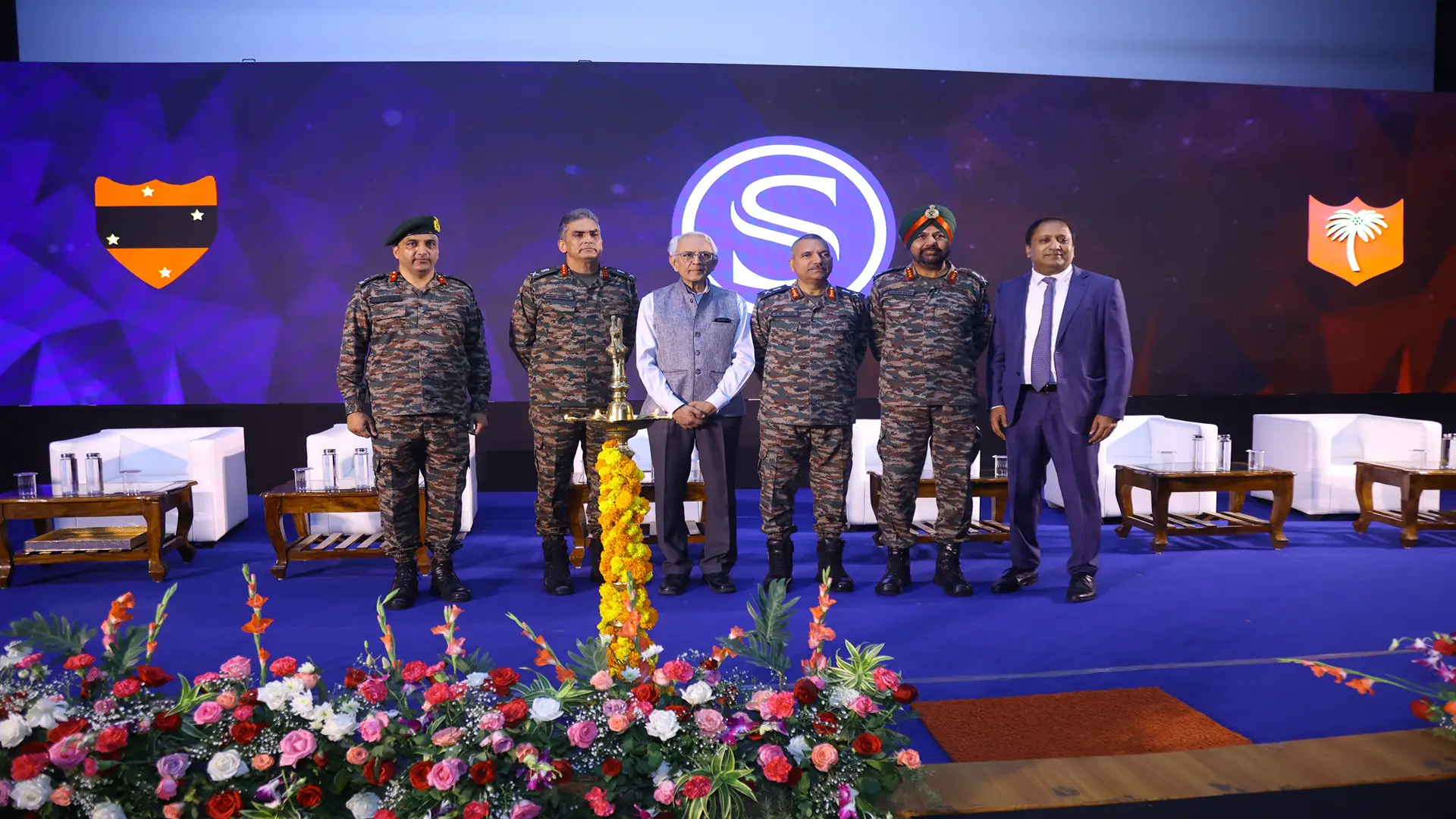
India has a close connection with the country; in the 1960s, when the UN tried to enforce peace on the conflict-torn nation, Indian troops acted as the vanguard, suffering heavily in the bargain. Even today, India is the leading troop contributor to MONUC/ MONUSCO since it was formed in 2005.
The Eastern regions of The Democratic Republic of Congo (DRC) are once again enmeshed in chaos as the M23 Rebellion ramps up its control over the North Kivu province. The return to war has stirred up old rivalries and could send the heart of Africa into a second regional conflict. The March 23 Movement (M23) is at the heart of this crisis.
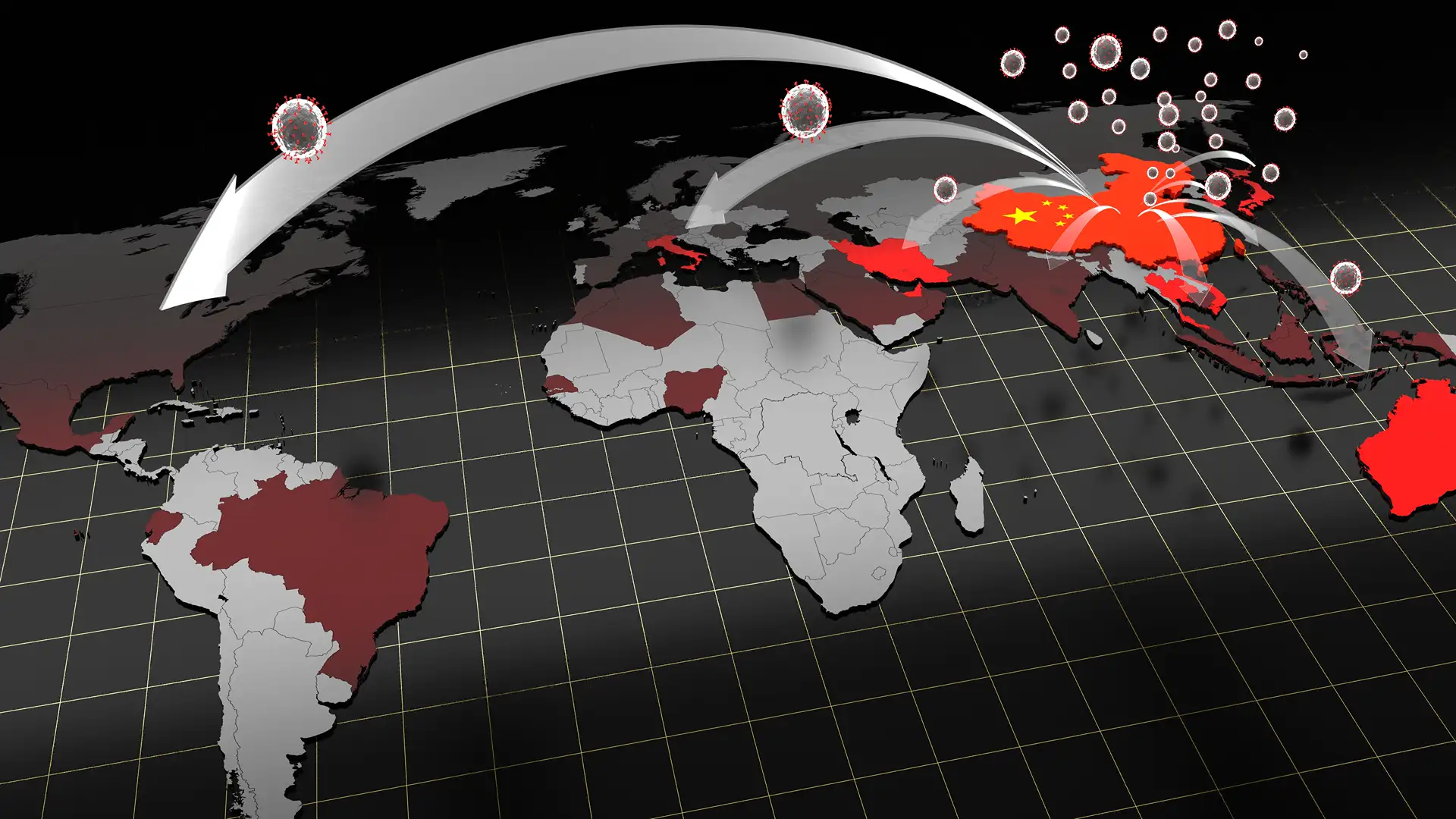
The common perception is that Rwanda is behind the M23, testing diplomatic relationships and raising the spectre of instability in the entire Great Lakes region.This crisis not only threatens to destabilize Central Africa but also rock global mineral supply chains crucial for cobalt and lithium, both scarce materials abundantly found in Eastern Congo.
An agreement was reached to implement a ceasefire between the DRC and Rwanda in Luanda, Angola, on July 30, 2024. The truce, implemented on August 4, was meant to end violence and set a stage for talks. But, like numerous ceasefires prior, this one has mostly held just in principle.
Historical Context
DRC is caught in a cycle of protracted conflict as competing armed groups fight for the region's mineral wealth.
The recent violence is rooted in the horrific Rwandan genocide of 1994 when about 800,000 Tutsi and moderate Hutu were butchered over a short span of 100 days. In the aftermath, about 2 million Rwandan refugees, many of them genocidaire, streamed into Eastern Zaire (now DRC), creating a conflict that would last for decades. The mass repatriation fuelled the First Congo War (1996-1997) and then its still deadlier successor, the Second Congo War (1998-2003), which drew in nine African nations and a multitude of armed groups. The latter conflict caused an estimated 5.4 million deaths, most through disease and starvation and was the world's deadliest conflict since World War II.
The dreaded M23 (March 23 Movement) emerged in 2012 after a mutiny within the Congolese national army. The group rapidly expanded, and by November 2012, it had conquered large swathes of land in North Kivu province, including the provincial capital city of Goma. After intense international pressure and a more robust UN peacekeeping mandate, the M23 was vanquished in 2013. Several of its fighters ran off to nearby Rwanda and Uganda. However, thanks to external help, mainly that of Rwanda, M23 was revived in 2013–21, once again becoming the dominant armed group in the region. M23's return in the last quarter of 2021 was backed by a powerful recipe of unresolved grievances, incomplete implementation of previous peace agreements and ever-growing competition over control of lucrative mineral resources. By 2022, the M23 had achieved major territorial gains, seizing North Kivu's key territories, such as Greater Bunagana on the Ugandan border in June.In a span of few months, the reemergence of the group displaced more than 450,000 people, according to U.N. estimates.
The Mineral Grab
Eastern Democratic Republic of Congo (DRC) is a resource-rich region with abundant cobalt, lithium and Coltan deposits. DRC hosts more than half the world's cobalt reserves. In 2023 alone, the DRC mined almost 130,000 tons of cobalt (supplying nearly 68 per cent of the world's stock). Lithium mining has not yet come to the fore, but the country holds huge reserves, including at the Manono-Kitolo mine, which could become one of the world's largest lithium producers. The discovery of Coltan (a major source of tantalum) has also been extensive, with the region providing close to 60 per cent of the world's tantalum.Electric vehicle batteries, smartphones, and other high-tech appliances are mostly forcing this growth in demand. With a pivot toward cleaner energy sources, this value has continued to rise, and the DRC now finds itself at the heart of global supply chains.
The war in the Democratic Republic of Congo has been linked to competition for control over the region's vast resources. The ICJ has estimated some 5.4 million have died due to conflicts between 1998–2007. The set of actors includes rebel forces such as the M23, government troops, and international actors like Rwanda competing over these material resources through a seemingly persistent war.
Global Supply Chain Disruptions
The M23 rebellion has wrought economic chaos not only for some of the poorest areas in eastern DRC but also creating ripple effects in global supply chains.
The International Organization for Migration states that more than 7.3 million people have been displaced nationwide. This has hindered agricultural activity and local trade, leaving many families without essential goods and a local economy in free fall. M23 has also taken control of major supply routes, causing costs of basic goods to soar in Goma, a key economic centre and mining hub where prices for some staple goods have jumped by 50 per cent.
The impact of the conflict spreads beyond DRC's borders, with regional trade disrupted and investment drying up. This is certainly taking its toll, and the neighbouring countries are no exception to this, with Uganda recently revealing a 30 per cent fall in cross-border trade to DRC in 2023.
The conflict in eastern DRC has kept critical mineral-reliant industries on their toes. Cobalt prices fluctuated by nearly 20 per cent throughout the year, causing some tech giants to be paralyzed by a scramble for supplies that led to production delays as long as three months. The DRC and its neighbours stand to lose as much as $2 billion in yearly foreign investment and another 2-3 per cent of potential GDP growth over the next five years if a lasting peace eludes the region.
Mirage of Peace
Rwanda's backing of the M23 rebels has been a major bone of contention in the Great Lakes region. Rwanda has been consistently accused of support for M23 by both the UN and Human Rights Watch (HRW), with recent reports suggesting as many as 3,000 -4,000 Rwandan troops operating with M23 in eastern DRC as of June 2024. Rwanda has complicated motivations as well;gold exports from Rwanda increased by 46 per cent between 2014 and 2023 despite the country having no access to gold within its borders!
The tensions between DRC and Rwanda escalated in June 2022 after DRC suspended all trade agreements with Rwanda, accusing them of supporting M23. The measure not only worsened bilateral ties but it also undermined regional economic integration. The conflict has frustrated the efforts of both countries to bolster economic collaboration in the East African Community (EAC), a regional grouping of which both nations are members.
No one side is guilt-free; each has accused the other of violations, and none of the underlying issues driving their conflict have been resolved. The ceasefire failed for several reasons, namely the absence of trust between parties and the general incoherence of various armed groups in eastern DRC, but can also be linked directly to continued territorial claims by M23.
As of September 2024, the conflict shows no signs of abating. Despite the ceasefire, M23 has made territorial gains in North Kivu province. In early 2024, the group increased its attacks, shifting frontlines in Masisi territory and around Sake. The risk of a broader regional conflagration looms large, with the UN Special Envoy to the Great Lakes warning of a potential direct confrontation between the DRC and Rwanda.
The ongoing military build-up by both states, lack of constructive dialogue, and persistence of hate speech have created a powder keg situation that threatens to engulf the entire Great Lakes region.
Assessments
Clearly, the international community has persistently failed to preserve peace in the region despite pumping billions of dollars (and precious lives of UN peacekeepers) into Congo's bottomless pit of human suffering. The blame lies mostly on its own corrupt rulers and highly volatile ethnic mix as well as on its neighbours. International mining conglomerates are also not above blame, fishing for easy profits in the chaos.
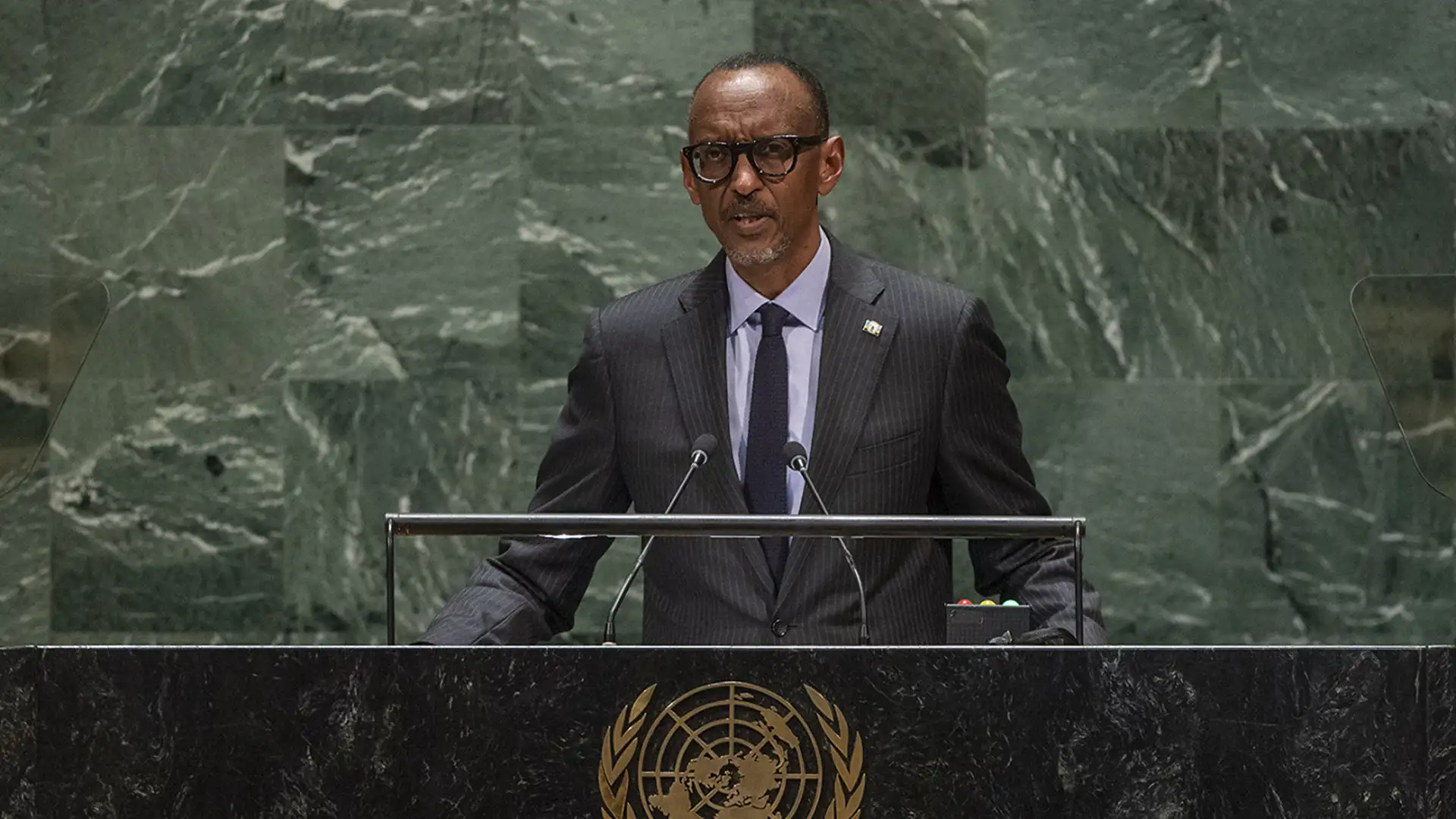
Rwanda has persistently bucked international pressure but has stubbornly refused to rein in the M23. A favourite of Western powers, also colloquially called the Israel of Africa, it evidently has strong supporters in the West. This support must stop if the conflict has to be halted.
As a peace enforcer, the UN has failed in DRC despite committed nations like India sending large contingents to operate in its dark tropical jungles. Evidently, the M23 problem has a solution in political deals and not in kinetic force.