
STRUGGLING AT 75
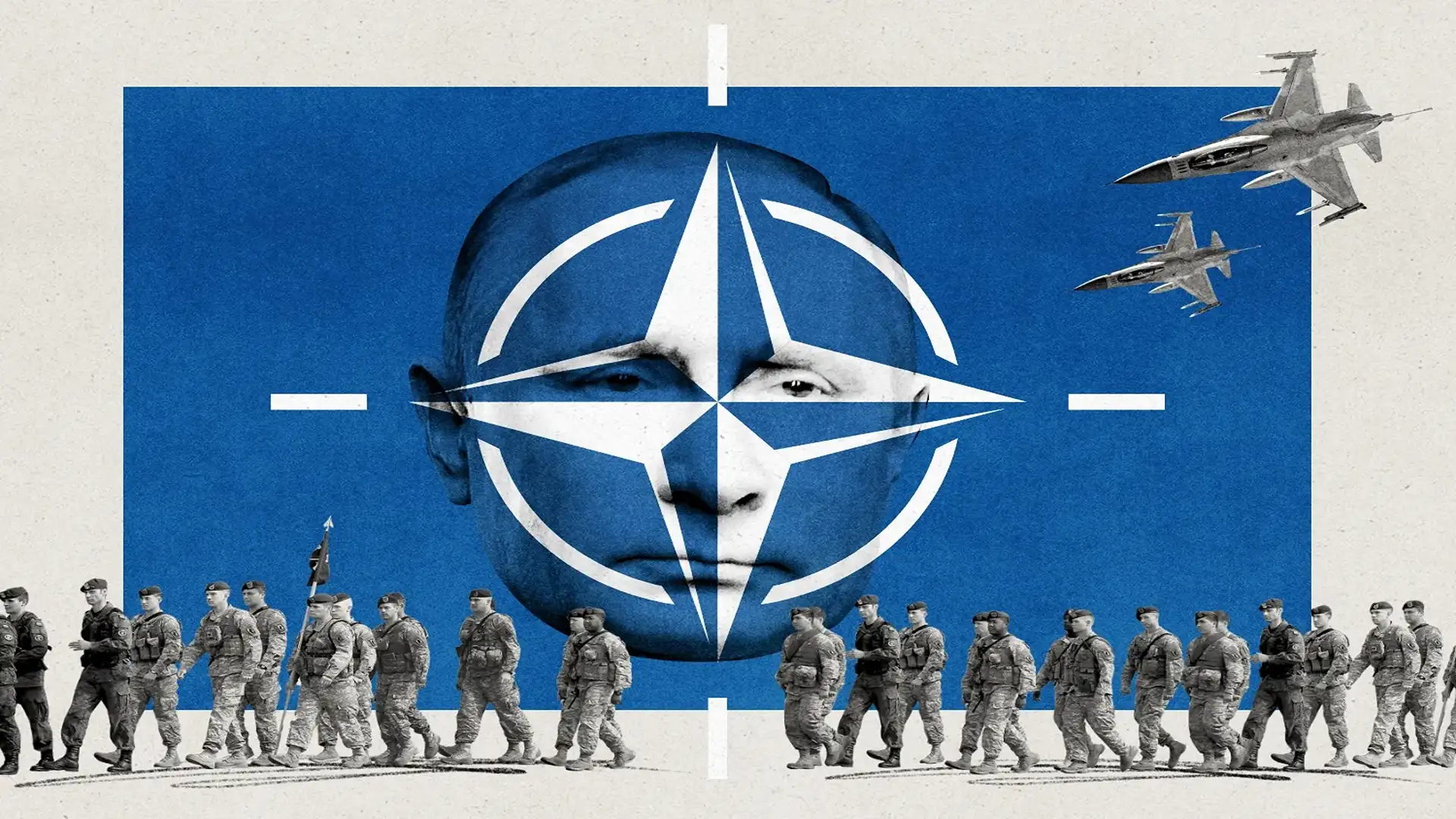
On its 75th anniversary, NATO remains under siege, with Russia and China aligned against it.
NATO was created by 12 countries from Europe and North America on 4 April 1949. Since then, 20 more countries have joined NATO through 10 rounds of enlargement (in 1952, 1955, 1982, 1999, 2004, 2009, 2017, 2020, 2023 and 2024).
When the Berlin War came crashing down, many analysts predicted the demise of NATO, an organisation they said was no longer relevant in the new unipolar world. They could not have been farther off the mark. Flush with victory, the Western democracies were loath to give away the military advantage and a fresh raison d’etre was crafted- a force for broad-based political change in Europe.
Thus began the second phase in its history and a controversial expansion that lies at the heart of today's conflict over Ukraine with Russia. Claiming democratic and free market expansion into areas surrendered by the Soviet Union consequent to its collapse, on its 50th anniversary in 1999, NATO pulled in the Czech Republic, Poland, and Hungary as new members. The number of allies grew to 19.
However, the push for new members did not end there. With the U.S. heavily involved in the 'Global War on Terror,' the alliance was looking for more members; by 2009, there were 28 members. It included erstwhile Warsaw Pact nations like Poland and Estonia, who came with a differing perspective on European security, which at times ran counter to the vision of the original Western European founding members of NATO. Russia objected to these expansions as it had little doubt as to where this was headed. The seeds of today's stand-off with Russia were sown in the 2008 Bucharest summit, where an ill-advised President Bush promised eventual NATO membership to Ukraine and Georgia; the rest is history.
Today, on its 75th anniversary, the military alliance can claim itself as a testament to the enduring power of international cooperation and collective defence. Created in the aftermath of World War II as a bulwark against the Soviet Union, NATO has evolved. Randall Stone, a political science professor at the University of Rochester, explains, "NATO is not just the strongest military alliance in world history, it's also an effective international organisation that materially increases its members' joint military capabilities and political influence."
While NATO members come together to celebrate a milestone that marks the endurance of the Bloc for more than three score years, questions are being increasingly raised: has it met its objectives? As Christopher S. Chivvis, a senior fellow at the Carnegie Endowment for International Peace, writes in the Foreign Policy (01 July 24), “But an alliance needs to do more than survive to be truly successful. It also needs to serve the interests of its members. NATO’s history is the story of a struggle to do this—despite major disparities between U.S. and European military power, a growing number of allies, diverging interests, and an expanding geographic scope.”
What NATO Stands For?
The alliance's core principle of collective defence, enshrined in Article 5 of the NATO treaty, has been invoked only once in its history—after the 9/11 attacks on the United States. This commitment to mutual aid has been a powerful deterrent against aggression, as any attack on one member would be met with the full force of the entire alliance.
In recent years, NATO has also proven its adaptability, expanding its focus to address emerging threats such as terrorism, cybersecurity, and China's growing influence. The alliance has coordinated intelligence sharing, military operations, and diplomatic efforts to counter these evolving challenges. This adaptability is essential as the nature of global threats continues to shift. NATO's commitment to cybersecurity includes initiatives to bolster the cyber defences of member states, share threat intelligence, and develop rapid response mechanisms to counteract cyber threats.
Terrorism remains another focal point. The alliance's engagement in counterterrorism efforts includes missions such as the NATO-led Resolute Support Mission in Afghanistan, which aimed to train and assist Afghan security forces. Additionally, NATO's strategic partnership with the African Union and support for counterterrorism operations in regions like the Sahel reflect its broader commitment to combating terrorism globally.
It is the Russian invasion of Ukraine that has revitalised NATO; members on both sides of the Atlantic had no option but to shore up the defences of Europe by presenting a united face. After two years of fighting and billions of dollars gone up in smoke, pressures are building up, which may cause fractures to appear, with some members complaining of Ukraine’s handling of the war and their treasure. The moribund alliance must show greater flexibility to adapt to the dynamic geopolitical environment, where a distant power like China must also be part of the equation.
The war in Ukraine has underscored the importance of NATO's eastern flank. Member states such as Poland and the Baltic nations have called for increased military presence and support to deter potential Russian aggression. NATO's Enhanced Forward Presence, which deploys multinational battlegroups to Estonia, Latvia, Lithuania, and Poland, demonstrates the alliance's commitment to collective defence. However, the situation in Ukraine presents a unique challenge, as NATO must balance its support for Ukraine with the risk of escalating tensions with Russia, a nuclear-armed adversary.
Beyond traditional military threats, NATO must also address a range of emerging challenges that require strategic shifts and new forms of cooperation. Climate change, for example, poses a significant threat to global security, as it can exacerbate conflicts, displace populations, and create resource scarcity. NATO has recognised the security implications of climate change and is working to integrate environmental considerations into its planning and operations. This includes developing strategies to enhance the resilience of military infrastructure to climate impacts and supporting member states in addressing climate-related security risks.
The China Factor
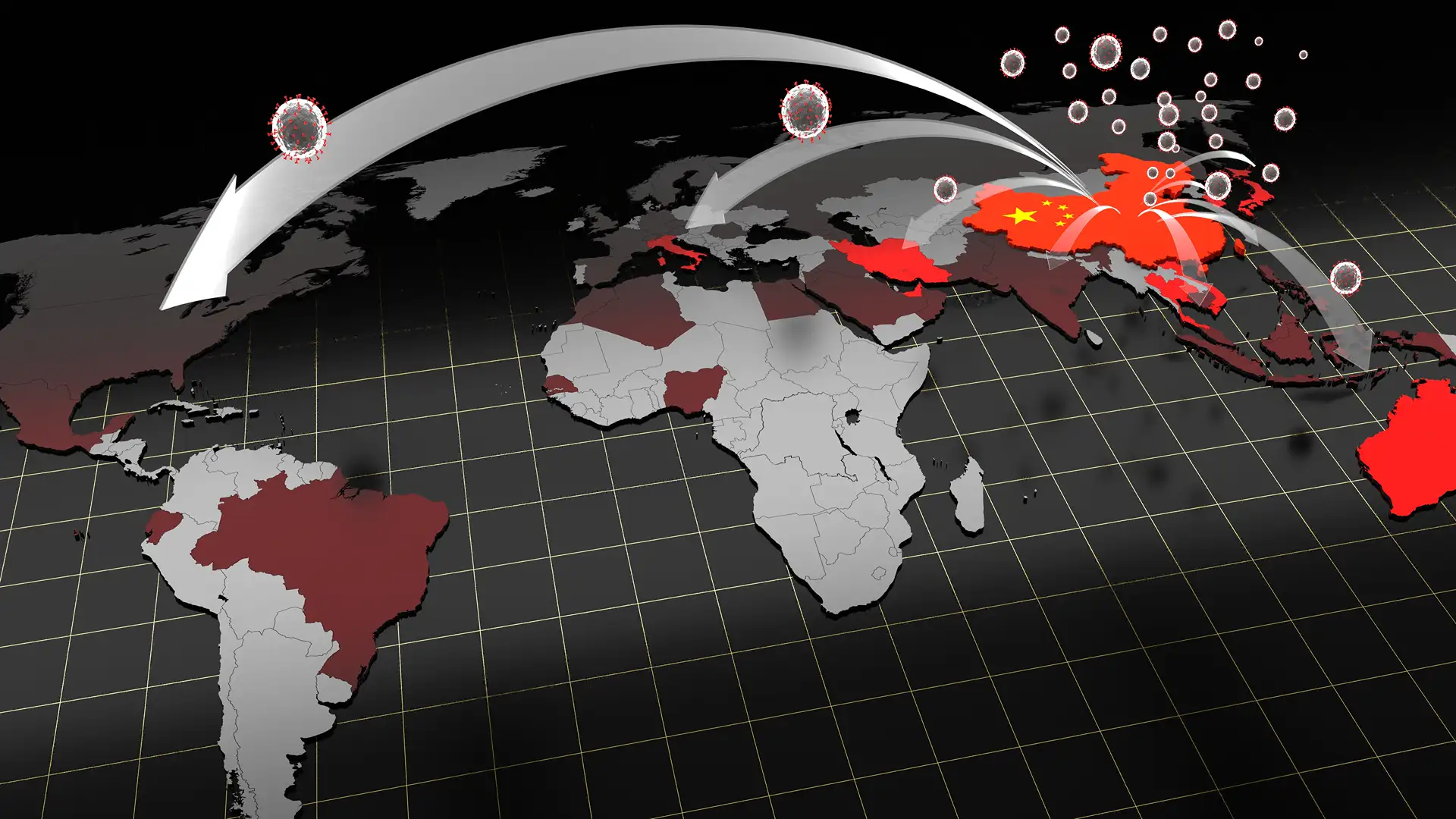
The rise of China as a global power presents another complex challenge for NATO. While China is not a direct military threat to the alliance, its growing influence in global affairs, technological advancements, and assertive foreign policy require NATO to reassess its strategic priorities. The alliance has begun addressing these concerns by increasing its engagement with Asia-Pacific partners, such as Australia, New Zealand, Japan, and South Korea, all of whom were present at the NATO summit, and focusing on issues like technological innovation and supply chain security.
China first figured at the 2022 NATO summit in Madrid, where a new NATO Strategic Concept was released. While Russia continued to occupy the place of pride as "the most significant and direct threat to allies' security and to peace and stability in the Euro-Atlantic area," China made an entry for the first time in the Alliance's history. The concept stated that China’s ambitions and coercive policies challenged NATO's interests, security, and values. A framework was outlined to manage China, asking all members to “work together responsibly, as Allies, to address the systemic challenges posed by the PRC to Euro-Atlantic security and ensure NATO’s enduring ability to guarantee the defence and security of Allies. We will boost our shared awareness, enhance our resilience and preparedness, and protect against the PRC’s coercive tactics and efforts to divide the Alliance. We will stand up for our shared values and the rules-based international order, including freedom of navigation.”
China came in for special attention in the recent 2024 summit. The NATO declaration accused Beijing of being a “decisive enabler of Russia’s war against Ukraine” through its supplies of dual-use goods such as microchips that can help Moscow’s military." Clearly, the knives are out, and there is no longer any ambiguity. In fact, as per CNN, things have come to such a pass that NATO officials are reportedly deliberating actions to reclaim some Chinese-owned infrastructure projects in Europe if a broader conflict with Russia escalates. These Chinese investments are being seen as potential security liabilities.
Dependence on U.S. Power
Over the years, Washington has always pointed out the ever-increasing military capability gap between the U.S. and its NATO allies. Increasingly, it was becoming apparent that the U.S. was footing the bill for Europe's defence, and the weakness of NATO forces was cruelly exposed during the 20-year military involvement in Afghanistan. In 2014, during the Wales Summit, NATO leaders pledged to devote a minimum of 2 per cent to their GDP on defence; none followed it up, a fact seized upon by President Trump in belabouring his NATO partners.
A Trump victory in the November elections could queer the pitch for U.S.-NATO relations. As the President, Mr Trump was brutally frank about his views on the value of NATO as a security alliance. Unless compelling reasons force a change of mind, Mr Trump, in the past, had promised to withdraw from NATO along with all the financial might and firepower that the U.S. brings to bear. Such a move would spell disaster for the organisation, whatever brave face European nations may maintain when contemplating this contingency.
In contrast, the current Democratic administration under President Joe Biden has reaffirmed America's commitment to the alliance, with Biden describing NATO as "more powerful than ever" during a recent address. Biden's administration has worked to strengthen transatlantic ties, emphasising the importance of multilateralism and collective defence.
Internal Divisions
The ongoing war in Ukraine has presented the alliance with one of its greatest tests. Today, NATOgrapples with the complex question of Ukraine's potential membership, which was the principal pretext for Russia to launch its invasion.While NATO has supported Ukraine's eventual accession to the alliance, several member states remain hesitant to extend a formal invitation. Concerns over Ukraine's governance and the potential for further escalation with Russia have led to a cautious approach, with the alliance opting for vague language that has frustrated Ukrainian President Volodymyr Zelenskyy. However, the war did help push the sitting-on-the-fence Finland and Sweden to take the final plunge to join NATO, thus giving NATO a distinct advantage in the Baltic Sea region. The Russian special military operation also acted as the catalyst to force European powers to work towards meeting their 2 per cent of GDP pledge, which they had made exactly a decade back.
The political landscape across NATO member states is also in flux, with several countries facing consequential elections in the coming years. The rise of populist and nationalist movements in some European nations has raised concerns about their continued support for the alliance.
For example, the 2023 French presidential election saw the far-right National Rally party narrowly defeated, preserving France's pro-NATO stance. The recent parliamentary elections also narrowly escaped a Right-Wing victory, with the left and socialists hammering a joint last-ditch strategy. However, other member states' political volatility could challenge NATO's unity and decision-making processes.
Hungary, under the leadership of Prime Minister Viktor Orbán, has pursued policies that often conflict with broader EU and NATO positions, particularly regarding relations with Russia and democratic governance standards. While a staunch supporter of NATO, Poland has experienced internal political struggles that could impact its future stance within the alliance. The rise of populist and nationalist movements within these countries could lead to friction within NATO, complicating decision-making and potentially weakening the alliance's cohesion.
The Way Ahead
The Washington summit is at a critical juncture, where NATO's leaders must navigate these treacherous waters and chart a course for the alliance's future. The alliance must also navigate the political sensitivities of individual member states, some of which have been wary of antagonising Moscow. The degree to which they can present a united front and demonstrate the continued relevance of NATO will be a key measure of the alliance's resilience and longevity.
Trump or no Trump, if NATO is to endure in the forthcoming turbulent phase of its existence, then Europe will have to step forward and assume its responsibilities for the defence of Europe both in terms of military power and diplomatic influence. A transatlantic ally may not be keen to get involved immediately in European conflicts; in both world wars, the U.S. took its own sweet time to take the plunge, and the isolationist lobby is as strong today as it was in 1917 and 1940.
To maintain its relevance and effectiveness, NATO must continue to evolve its strategies and capabilities. This includes enhancing interoperability among member states' forces, investing in advanced technologies, and developing new doctrines to address hybrid warfare and other contemporary threats.
Hybrid warfare, which blends conventional military tactics with cyberattacks, disinformation campaigns, and other non-traditional means, requires NATO to adopt a more integrated and flexible approach to defence. The alliance has already taken steps in this direction by establishing the NATO Strategic Communications Centre of Excellence and enhancing its cyber defence capabilities.
Investing in emerging technologies, such as artificial intelligence, autonomous systems, and advanced cyber capabilities, is crucial for maintaining NATO's technological edge. The alliance must also ensure that these technologies are developed and deployed in ways consistent with international norms and ethical standards.
Key Takeaways
In addition to strengthening internal cohesion, NATO must enhance its partnerships with non-member states and international organisations. Collaborative efforts with the European Union, the United Nations, and regional organisations can help address global security challenges more effectively.
NATO's engagement with global partners, including countries in the Asia-Pacific region, Africa, and Latin America, can also contribute to a more comprehensive approach to security. These partnerships can facilitate information sharing, joint exercises, and capacity-building efforts, enhancing the alliance's ability to address diverse threats.
Ultimately, the significance of NATO at 75 lies in its capacity to evolve and remain a bulwark against aggression, a champion of democratic values, and a force for stability in an increasingly complex world. As the alliance looks to the future, its ability to confront the challenges of the 21st century will testify to its enduring importance on the global stage.