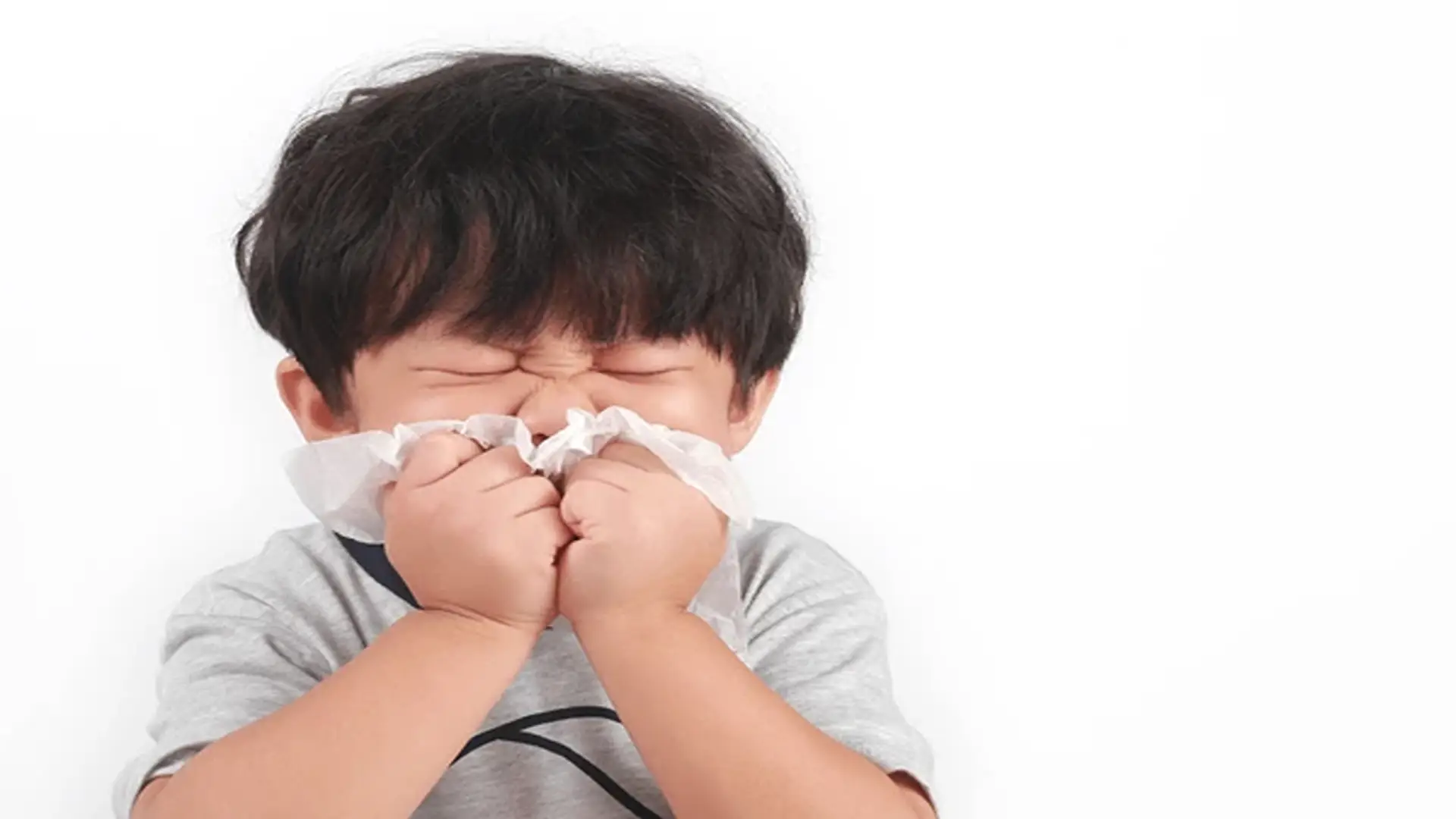

“SNEEZIN' SEASON”
Allergic Rhinitis on the Rise: Navigating Diagnosis and Treatment Options
In an article dated 24 Feb 23, the prestigious Times of India fell just short of naming Bangalore the "Allergy Capital of India," as many long-suffering netizens have christened it in their Twitter/ X posts. The venerable Times said, “Bengaluru's salubrious climate may have helped the city score high on the liveability index, drawing migrants in droves, but it does have a downside—seasonal allergies.”
In 2021, the FICCI Research and Analysis Centre (FRAC) conducted a study that found that Bangalore households had a higher percentage of cockroaches and other allergens with particle sizes between 2-20 μm compared to New Delhi, Mumbai, and Hyderabad.
So, while long-suffering residents of Bangalore continue to blame allergies and the notorious traffic for most of their woes, the fact remains that Allergic Rhinitis (AR) is increasingly becoming a public health concern all over India, with a growing number of individuals across various age groups affected by this condition. Characterised by sneezing, nasal congestion, runny nose, and itching, AR impacts the quality of life for millions of Indians. AR affects approximately 2%-25% of children and 10%-40% of adults in India. The prevalence rates can vary significantly based on geographic location, climate, and urbanisation levels.
Multiple factors, including environmental changes, urbanisation, and genetic predisposition, contribute to the rising prevalence of AR in India. Understanding these factors and the distribution of AR in the Indian population is essential for effective management and treatment strategies.
Allergic Rhinitis (AR), commonly known as hay fever, affects the nasal mucosa due to the inhalation of allergens like pollens, house dust mites, animal dander, and moulds. Unlike the common cold, AR is non-contagious and can significantly impair daily activities, varying from mild discomfort to severe impairment. The increase in AR cases globally necessitates better awareness of its symptoms, diagnosis, and treatment options.
Understanding Allergic Rhinitis
Allergic Rhinitis manifests with symptoms similar to a common cold, including sneezing, runny nose, nasal obstruction, and itching. However, while common cold symptoms typically last a few days to a week, AR can persist for much longer, spanning weeks, months, or even becoming a chronic condition. This condition can significantly affect the quality of life, causing physical discomfort and impacting daily activities and productivity.
Understanding common allergens prevalent in India is crucial for managing AR. Some of the prominent allergens include:
Pollens:
From trees like Prosopis juliflora (common in arid regions) and grasses like Bermuda.
House Dust Mites:
Predominantly found in bedding and upholstery.
Moulds:
Flourish in humid conditions, particularly during the monsoon season.
Animal Dander:
Pet ownership is on the rise, contributing to increased exposure to animal dander.
It is a risk factor for asthma, with the severity of asthma correlating with the severity of AR. Understanding these triggers can help manage and avoid situations that may worsen the condition.
Exacerbating Factors
A Seasonal Thing. Commonly, AR symptoms peak during specific seasons. First is the Spring (March-April), when trees and plants flower and inject higher pollen levels into the atmosphere. Next in severity are the much-awaited Monsoons (August to October), when high humidity provides an ideal ecosystem for moulds and dust mites to proliferate. In cities where the seasonal variations are not so dramatic or marked, then there will be a tendency for the affliction to prolong and get extended. This, perhaps, could cause the prolonged suffering of many Bangaloreans.
Nature’s Payback. Yes, climate change is one of the causes, as rising temperatures and unseasonal heat/ cold/ rains with unpredictable weather patterns put the natural cycle of pollen production and mould growth out of synch, further influencing AR prevalence. Pollution in all its forms-vehicular, industrial, construction, etc- does not make life any easier for suffering city dwellers who have no option but to breathe in the poor-quality air with a very high AQI factor.India's rapid urbanisation and industrialisation extracts its price from the citizens’ health.
Managing AR
Due to the overlap in symptoms, AR is often underdiagnosed or misdiagnosed as a common cold in India. Increased public awareness and education about AR can help bridge this gap. Diagnostic procedures such as skin prick tests and IgE blood tests are available, though their accessibility may vary across urban and rural areas.
Treating AR involves multiple approaches ranging from medications to lifestyle changes and home remedies:
Medications. Antihistamines are most commonly used to reduce sneezing, itching, and runny nose by blocking histamine, a substance the immune system releases during an allergic reaction.Nasal Corticosteroidshave proved effective in reducing inflammation and helping with nasal congestion. Examples include fluticasone and budesonide.Decongestantsact as short-term measures to relieve nasal congestion. Doctors advise that Oxymetazoline nasal spray, for example, should be used cautiously for up to a week to avoid rebound congestion.Leukotriene Receptor Antagonistshelp in some cases by blocking the chemicals called leukotrienes, which are part of the immune response to allergens.Immunotherapyinvolves gradual exposure to increasing amounts of the allergen to build tolerance. This can be administered via allergy shots (subcutaneous) or sublingual tablets.
Home Remedies and Lifestyle Changes. Nasal hygiene is most often recommended. Saline Nasal Irrigation can be used in which the nasal passages are rinsed with saline solution to remove allergens and reduce inflammation. Devices like neti pots or saline nasal sprays can flush out irritants and relieve congestion.Isotonic Saline Solutionscan be used daily to alleviate sustained nasal irritation, thick discharge, and blockage, enhancing overall nasal comfort and facilitating clearer breathing.
Environmental Control. Modern technology enables patients to monitor pollen counts on their smartphones to better plan outdoor activities. Most weather websites and apps provide daily pollen forecasts. Room Air purifiers have become affordable. Fitted with high-efficiency particulate air (HEPA) filters, they can maintainlow humidity. Exposure to dust mites can be minimised by using allergen-proof bedding. The most important and doable thing is to regularly clean living spaces to reduce the accumulation of dust and moulds.
Avoiding Triggers. Masks, especially when your weather app warns of high pollen levels, could help. If the household has pets, especially ones that shed a lot of hair, then regular grooming and bathing can reduce pet-induced allergens like animal dander.
Alternative Treatments. While some people consider alternative therapies, such as acupuncture or herbal remedies, it's essential to consult with healthcare providers before starting any new treatment to ensure it’s safe and effective.
Living with AR
In the long run, AR patients must learn to live with AR, albeit with a proactive approach to managing its symptoms and thus improving their quality of life. To achieve this level of 'nirvana,' one must understand the condition and its triggers.
Since the condition can become severe, regular medical consultations are a prerequisite. Healthcare providers play a crucial role in managing AR in India through education, treatment plans, and regular monitoring.
The government, for its part, conducts comprehensive public health campaigns to raise awareness, invests in research and data collection to better understand the epidemiology of AR in India, develops localised treatment protocols, and implements policies to control air pollution and improve overall air quality.
Conclusion
Allergic Rhinitis, though a bothersome condition, is manageable through a combination of medical treatments, lifestyle adjustments, and preventive measures. By understanding its triggers and adopting appropriate strategies, individuals can effectively minimise symptoms and their impact on daily life. The rise in Allergic Rhinitis cases in India highlights the need for a multifaceted approach involving awareness, diagnosis, treatment, and preventive measures. With the right strategies, individuals can manage their symptoms effectively and improve their quality of life. Proactive measures, public health initiatives, and advancements in medical research will be pivotal in addressing the growing burden of Allergic Rhinitis in India.