
SHARED VALUES, SHARED CULTURE AND SHARED FUTURES
|
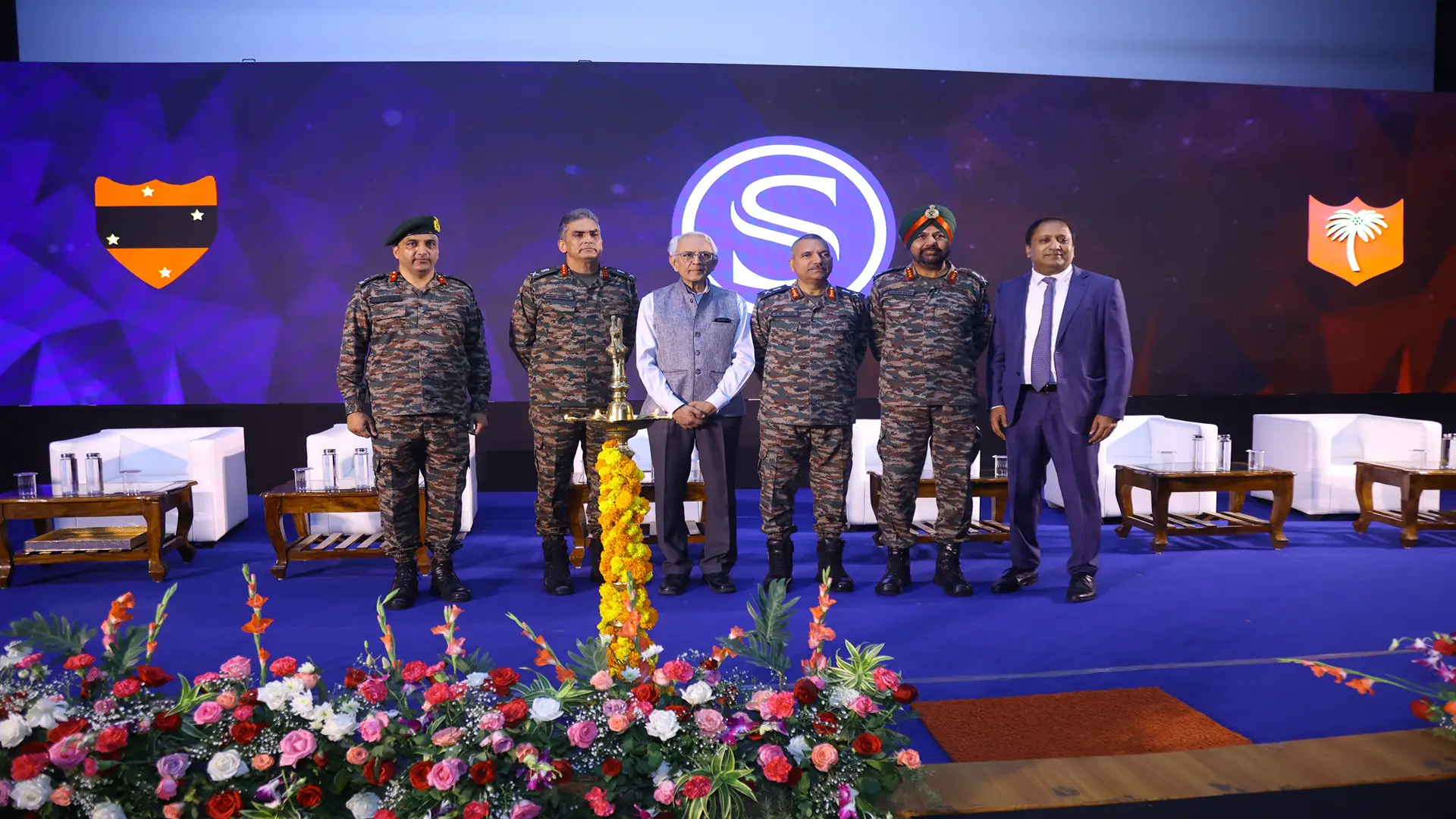
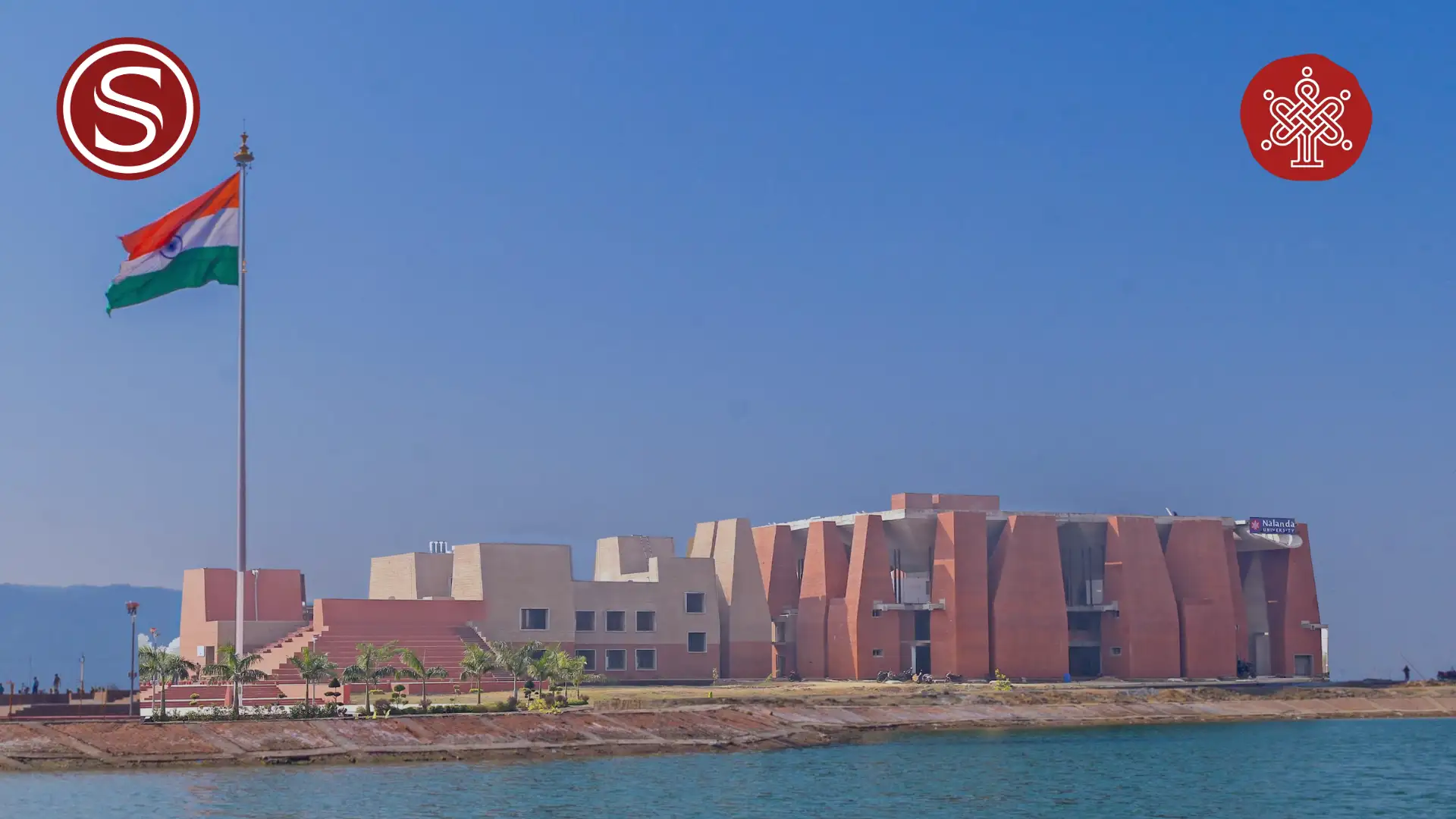
The spotlight articles this month are structured on the discussion that took place during the Nalanda Conference jointly held by the Nalanda University and the Synergia Foundation from 12-14 September, spanning two historically significant locations: Bodh Gaya, where Gautama Buddha attained enlightenment, and Nalanda University, an ancient centre of learning and spiritual wisdom. There could be no better location than Bodh Gaya and the Nalanda University to cultivate a dialogue between regional countries that share common values and cultural ties and envision a collective future built on peaceful coexistence and mutual respect. The initiative brought together participants from various countries, including Nepal, Myanmar, Sri Lanka, Thailand, and Taiwan, and diplomats and policy makers from India. |
India is uniquely blessed that, in many ways, it is the source spring of great religious thoughts that have spread in the region and beyond over the centuries. The influence that Buddhism has over vast swathes of Asia can hardly be ignored. In this context, the Indian outreach to its extended neighbourhood should leverage the legacy of Bodh Gaya and Nalanda to promote global harmony and peaceful societies.
The Magadh region, rich in history and culture, is an ideal place for discussions centred on peace, non-violence, and democratic values. The quadrangle formed by Nalanda, Rajgir, Bodh Gaya, and Gaya, along with the lesser-known Ghelor Valley—where Dashrath Manjhi, a symbol of unwavering determination, carved a path through the mountains—embodies the spirit of perseverance and resolve ("sankalpa") that should inspire us all in our pursuit of shared goals.
To realize these goals, several key initiatives that India can undertake are as follows: –
Embrace Principles of Peaceful Coexistence: Advocating for mutual respect, non-aggression, non-interference in internal affairs, equality, and peaceful coexistence.
Promote Cultural Exchange Programs: Encouraging the exchange of art, music, literature, and traditions to foster understanding and appreciation of different cultures.
Facilitate Interfaith Dialogues: Organizing discussions among leaders and followers of different religions to promote mutual respect and understanding.
Encourage Collaborative Community Projects: Implementing joint initiatives involving diverse groups to build trust and demonstrate the benefits of cooperation.
Leverage Digital Communication Tools: Using social media and online forums to facilitate dialogue and collaboration across diverse backgrounds.
Establish Peaceful Coexistence Initiatives: Creating programs focused on promoting peaceful coexistence in conflict-prone areas.
Support Grassroots Movements: Empowering local organizations working towards community cohesion and mutual respect.
Advocate Policy Changes: Encouraging governments to adopt policies promoting inclusivity and diversity.
India has the great advantage of sharing a common culture with large number of its neighbours both within South Asia and also in the extended neighbourhood. Therefore, thought leadership amongst friendly neighbours is critical to diplomacy. How do we live together? And how do we avoid further areas of contestation? Our shared culture taught us for more than 2000 years how to live and coexist together. If we can share our culture and look at the upsides of the culture, then we will be in a position to share the prosperity that will come according to it.
There is a growing tendency to view global futures through the prism of the Western world as we get our maximum studies and project reports from that part of the globe. But to assess the risks and challenges likely to impact our side of the planet, we must have a home-grown vision of these risks and how they can be turned into opportunities.
We are mindful that this part of the world, especially South Asia, is still one of the poorest in the world. So, the larger issue is collective human security. And it will not help us that some parts of Asia or our neighbourhood are wealthy and some are very poor because it's like an estranged cousin. There will be tensions.