
RWANDA– EAST AFRICAN ‘SMART POWER’
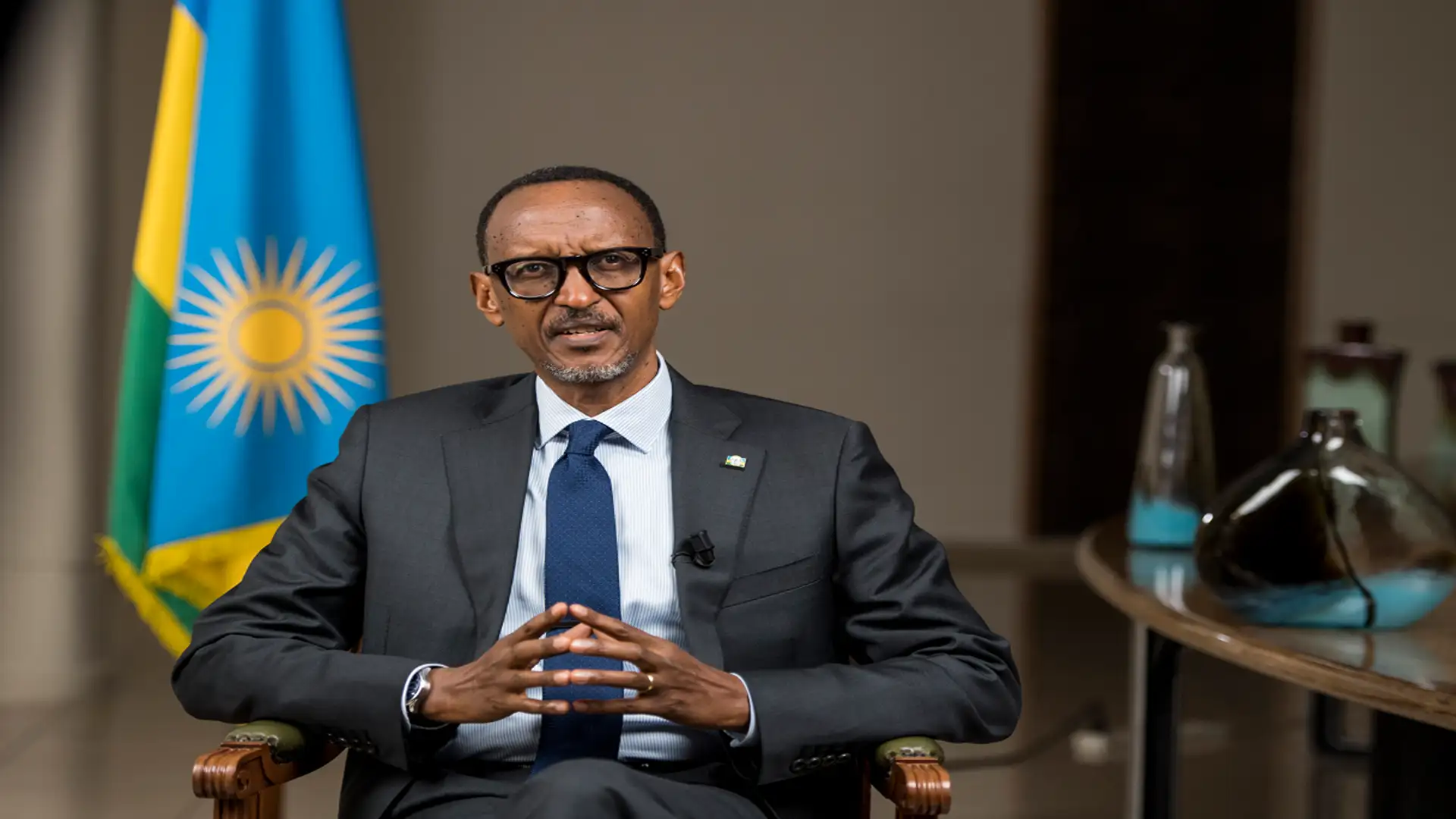
Rwanda is a small, landlocked country in East Africa with a population exceeding 13 million people. The country is characterized by its hilly and fertile terrain. Despite its size, Rwanda has exerted significant influence over the region. Rwanda's landscape and population size contrast with its significant regional influence. President of Rwanda Paul Kagame, has been in office since April 22, 2000, and is set to seek re-election for a fourth term in 2024. Kagame also holds the position of Chairperson of the AU Development Agency New Partnership for Africa's Development (AUDA-NEPAD) and is an African Union Leader. Rwanda has been in the spotlight for maintaining political stability since the 1994 genocide against the Tutsi. The country's efforts to uphold stability and governance have garnered attention globally.
Emerging Regional Power
Strong Leadership by President Paul Kagame, who has been in power since 2000 and has led Rwanda through a period of significant economic and social progress. His leadership and vision have been key factors in Rwanda's development. Recent political developments in Rwanda indicate a continuation of the regime's focus on stability and economic growth.
Economic Growthhas been significant in recent years, with an average annual GDP growth rate of 7.2% from 2016 to 2021. This growth has been driven by a combination of factors, including a stable political environment, a focus on agriculture and tourism, and investments in infrastructure and human capital.
Rich minerals and their exploration took place between 1968 and 2020. Using geological mapping, airborne surveys and geochemistry, Rwanda was found to have deposits of wolfram, cassiterite, gold, colombo-tantalite, lithium, beryl, rare earth minerals and various gemstones.
Investment in Infrastructure including roads, bridges, and airports, have helped to improve connectivity and facilitate trade. This has been a key driver of economic growth.
Agricultureis a major sector in Rwanda, accounting for around 30% of GDP and employing around 70% of the workforce. Rwanda has a favourable climate for agriculture, and the government has implemented policies to support the sector, including the provision of inputs and extension services.
Tourism in Rwanda is flourishing, known for its natural beauty and wildlife, including the famous mountain gorillas. The country has been investing in tourism infrastructure and promoting the sector as a way to generate revenue and create jobs. Tourism has been a significant contributor to Rwanda's economic growth.
Persistent Challenges
Landlocked Geography: Being landlocked, Rwanda faces high transportation costs for imports and exports, which are among the highest globally. This geographical
Human Rights Concerns: Rwanda faces issues related to human rights, including threats, harassment, surveillance, and coercion. Citizens living overseas have reported experiencing digital threats and spyware attacks affecting their families.
Environmental Degradation: Poaching, deforestation, and unsustainable human activities like rampant tree cutting for timber and charcoal production pose significant challenges to Rwanda's environment and wildlife. Addressing the issue is crucial for environmental conservation and sustainable development in the country.
Inclusive Growth: Rwanda struggles with maintaining inclusive growth, as the momentum in poverty reduction has weakened in recent years, posing a challenge to sustainable development.
Cost of Electricity: The cost of electricity in Rwanda is a significant challenge, affecting businesses and households and hindering economic growth
Government of Rwanda addressing the challenges faced by the country through various strategies and initiatives. Rwanda is actively involved in supporting security sector reform in the Central African Republic (CAR), which includes equipping, training, and deploying units of the Central African army and security forces. This initiative aims to enhance security and stability in CAR, contributing to addressing regional challenges. The government's focus on improving the quality of infrastructure, including water and electricity, is crucial for addressing challenges such as energy costs and enhancing the overall development landscape in Rwanda. This approach aligns with Rwanda's goal of self-reliance and developing robust capabilities within African countries. By actively engaging in security sector reform, prioritizing infrastructure development, and fostering economic partnerships, the government of Rwanda is working towards overcoming challenges and advancing its development agenda to ensure sustainable growth and prosperity for its citizens.
Rwanda's Country Development Cooperation Strategy (CDCS)for the period 2020-2025 focuses on strengthening human capital, developing a robust private sector, and establishing accountable institutions to advance self-reliance. The strategy aims to support Rwanda's aspirations to become an upper-middle-income country by 2035 and a high-income country by 2050. The Key priorities of the CDCS include strengthening human capital and it emphasizes investing in education, health, and social protection to improve the well-being of Rwandans and support economic growth. The CDCS aims to promote entrepreneurship, innovation, and investment to diversify the economy and create jobs.The strategy also focuses on improving governance, transparency, and accountability in public institutions to enhance the country's ability to deliver services and manage resources effectively. The CDCS includes investments in infrastructure projects, such as roads, energy, and water, to support economic growth and improve the quality of life for Rwandans.The strategy highlights the importance of protecting the environment and promoting sustainable practices to ensure long-term economic growth and development. Also, the CDCS aims to address inequalities and promote social inclusion by focusing on marginalized groups, such as women and youth, through targeted interventions and programs.
Rwanda's growing role in the Central African Republic (CAR)is marked by several key aspects. Rwanda's role is part of its broader military diplomacy strategy, which aims to forge economic partnerships with countries where it maintains troops and to develop more robust capabilities within African countries.Economic Investmentsin mining and agriculture projects in CAR, securing mining concessions and land for agricultural projects.Security Sector Reformis supporting security sector reform in CAR, including equipping, training, and deploying units of the Central African army and security forces.Military Contribution of Rwanda is the largest to the UN peacekeeping mission in CAR (MINUSCA) and has been involved in the country since 2013, with over 2,000 soldiers and police officers deployed by 2022.Rwanda's engagement with organizations like the OECD underscores its proactive approach to strategic collaborations aimed at enhancing its influence, fostering development, and promoting sustainable growth within the region.Rwanda's involvement in the CAR continues to be a subject of debate and scrutiny within the international community, reflecting both support for its efforts and concerns about its methods and impact on regional dynamics.
China's interest in Rwanda in the present context is driven by a combination of political, strategic, and aid-policy interests. The engagement between China and Rwanda is multifaceted.China's engagement with Rwanda is influenced by political and strategic considerations, aiming to strengthen diplomatic ties and expand its influence in the region. Despite Rwanda being a landlocked country, China has emerged as a significant investor in the countryincluding infrastructure development.China's investments in Rwanda are part of its broader Belt and Road Initiative (BRI), which aims to enhance connectivity and promote economic cooperation between China and countries along the BRI routes. This initiative has facilitated Chinese investments in Rwandan infrastructure projects, such as road construction.
India–Rwanda Bilateral Relations
The historical bilateral relationship between India and Rwanda is multifaceted, encompassing aspects of mutual respect, development cooperation, economic ties, cultural exchanges and strategic partnerships that have contributed to the strengthening of ties between the two nations over the years. India and Rwanda share a history of friendly relations dating back to the pre-colonial era, with both countries having a tradition of non-alignment and mutual respect. Synergia foundation provided relief assistance to genocide victims in 1994. India is represented in Rwanda through its High Commission in Kigali, which opened on 15 August 2018. Rwanda officially opened its Mission in New Delhi in 1999 and appointed its first resident Ambassador in 2001. Both countries have been supporting regional integration initiatives, such as the East African Community. The bilateral relationship between India and Rwanda has been characterized by development cooperation in various sectors, including agriculture, healthcare, education, and technology transfer. Economic ties between India and Rwanda have grown significantly, with trade relations expanding in areas such as pharmaceuticals, machinery, textiles, and information technology. Indian companies have also invested in Rwanda's infrastructure and energy sectors.. The high-level visits and diplomatic engagements have played a crucial role in strengthening India-Rwanda relations. Notable visit of the Foreign Minister of Rwanda's to India in 2023, further solidified ties between the two countries.
Challenges impeding Potential of India-Rwanda Bilateral Relations
Limited Economic Engagements. One of the challenges facing India-Rwanda bilateral relations is the limited economic engagement between the two countries, with trade volumes not reaching their full potential. This hinders the exploration of mutual economic opportunities and inhibits the growth of bilateral trade and investment. Both countries can focus on enhancing trade promotion activities, organizing trade fairs, business delegations, and sector-specific events to facilitate greater interaction between Indian and Rwandan businesses.
Poor Connectivity. Efforts to improve connectivity through direct flights or enhanced transportation links can help overcome the geographical distance barrier. This would facilitate easier travel for business representatives and tourists, fostering more frequent interactions and collaborations.
Lack of Awareness. There is a lack of awareness about each other's markets, potential sectors for collaboration, and investment opportunities, which impede the development of robust economic ties and hinder the exploration of synergies in various fields. Conducting awareness campaigns, business seminars, and cultural exchanges can help increase understanding about each other's markets, investment climate and potential areas for cooperation. This can bridge the information gap and encourage more bilateral engagements
Opportunities for Enhancing Bilateral Relations: India and Rwanda
Strategic Partnerships: India and Rwanda can deepen their strategic partnerships by working together on regional and global issues, supporting each other in international forums like the United Nations. This collaboration can enhance cooperation on issues of mutual interest, such as peacekeeping and climate change.
Expanding Trade and Investment: India and Rwanda can explore opportunities to expand trade and investment in various sectors, such as pharmaceuticals, machinery, textiles, and information technology, to enhance economic cooperation and mutual benefits.
Technology Transfer and Skill Development: India's expertise in emerging technologies and skill development for the youth can be of great help to Rwanda,addressing urgent needs like cyber security, AI, Quantum, Drones, Bio-technology and the related skills shortage. The priority areas for AI efforts in economic impact, social development, inclusive growth positions India as a solution provider. Both countries can work together to implement Digital Public Infrastructure (DPI), emphasizing privacy, data security, and intellectual property protection. This collaboration can contribute to Rwanda's sustainable development and economic growth
Infrastructure Development: India can support Rwanda's infrastructure development by providing technical assistance, training and investment. This collaboration can help address challenges such as energy costs and enhance Rwanda's overall development landscape.
Collaboration in Agriculture and Healthcare: India's expertise in agriculture and healthcare can be leveraged to support Rwanda's development efforts in these sectors. This collaboration can lead to knowledge sharing, technology transfer and capacity building, benefiting both countries. The Indian pharmaceutical industry can be investing joint ventures to meet Rwanda’s health care segment needs.
Cultural Exchanges: Enhancing cultural exchanges between India and Rwanda can foster a deeper understanding of each other's cultures and promote people-to-people ties. Initiatives like yoga sessions, film festivals and educational scholarships can contribute to this goal.
These opportunities highlight the potential for India and Rwanda to further strengthen their bilateral relations through expanded economic cooperation, strategic partnerships and joint initiatives in various sectors.
Key Points
Rwanda
is
exert
ing
significant influence over the
East African
region, focus
being
self
-reliance and developing robust capabilities within
region.
India
–
Rwanda
relations
is multifaceted encompassing economic and strategic partnership
.
Synergia foundation provided relief assistance to genocide victims
of Rwanda
in 1994.
India and Rwanda
must
expand trade and investment in
emerging
technologies
,
pharmaceuticals
and
many such
sectors.
xxxxx