
REGIONAL COOPERATION: PERSPECTIVE FROM MYANMAR
Myanmar, currently plagued by widespread conflict, urgently needs peace, which is the cornerstone of a stable and democratic society.
Mr Kyaw Lin Oo
India shares a significant land border of over 1,600 kilometres with Myanmar and has a maritime boundary in the Bay of Bengal. The northeastern Indian states of Arunachal Pradesh, Nagaland, Manipur, and Mizoram all share borders with Myanmar. This geographical proximity is complemented by a rich heritage of religious, linguistic, and ethnic ties between the two nations. Myanmar is India's sole ASEAN neighbour, making it a crucial gateway to Southeast Asia — a region India is keen to engage more deeply in through its 'Look East' and, subsequently, 'Act East' policies.
The 'Act East' Policy aims to enhance economic and cultural integration with Southeast Asia. However, the ongoing civil unrest has hampered progress in land-based trade, cultural, and people-to-people exchanges.
Challenges Ahead
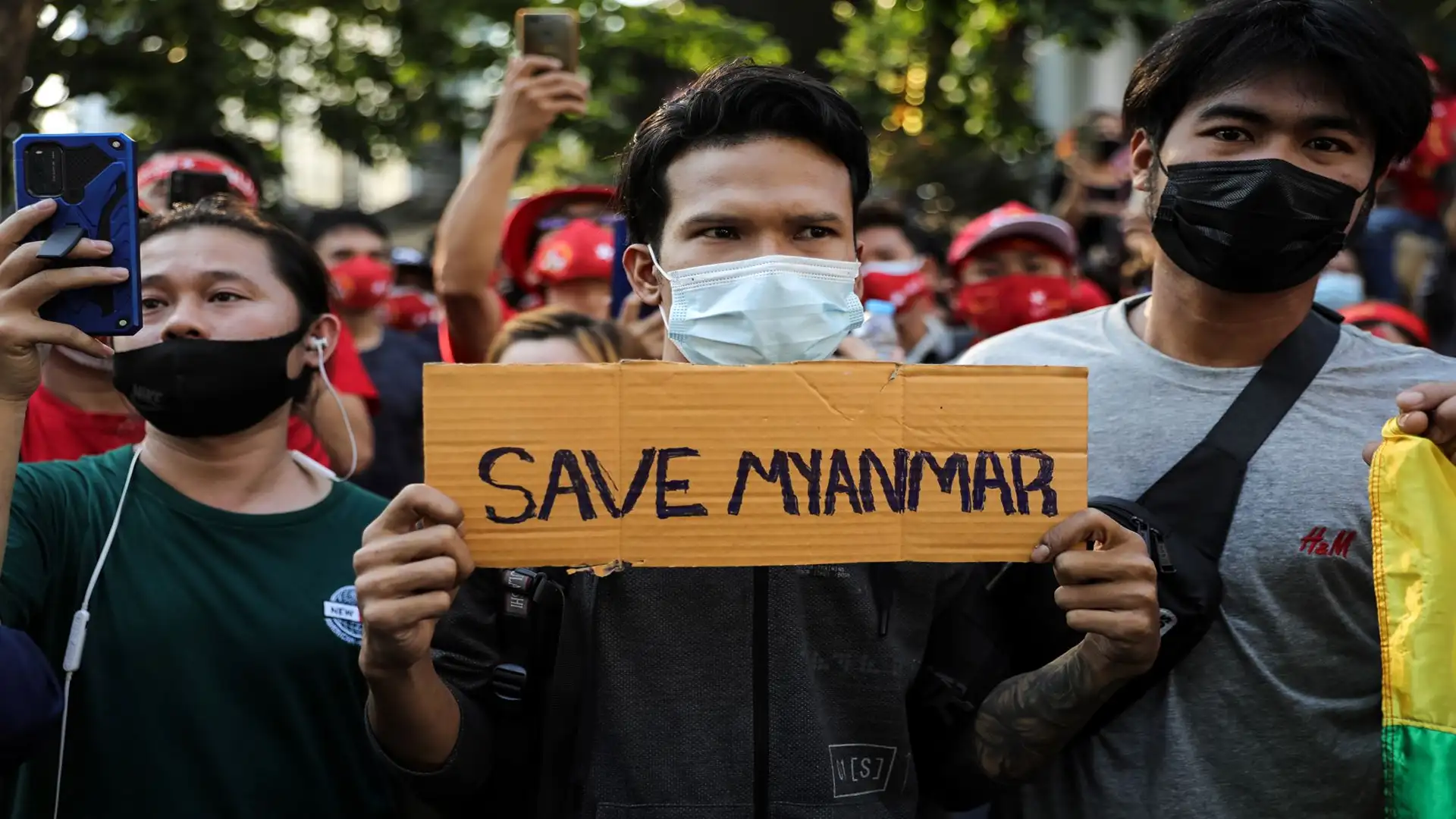
Since the military coup in February 2021, Myanmar has plunged into chaos. The ceasefire process initiated under Aung San Suu Kyi's government has collapsed, leading to increased violence and the formation of parallel administrations by various ethnic rebel groups. This turmoil has further isolated Myanmar from the international community. In response to the escalating conflict and fragmentation within Myanmar, international calls for the country to return to a path of federal democracy have intensified. As Myanmar grapples with internal strife, restoring peace and democratic governance remains a pressing concern, crucial not only for Myanmar's stability but also for enhancing regional integration and cooperation with India.Promoting peace is essential because conflict must be transformed into peaceful solutions to meet the societal need for harmony.
Moreover, Myanmar faces the challenge of transitioning from authoritarian rule to democracy. Democracy is critical for establishing lasting peace; without it, a nation cannot achieve stability. Peace, in turn, is essential for democratic governance and societal development. Non-violence plays a crucial role in this transition. By adhering to non-violent methods, we can work towards transforming society and achieving democracy. Historical experience shows that resorting to violence often exacerbates authoritarian suppression, undermining efforts for peaceful change.
India’s role
India, as the largest federal democracy in the region, holds a unique position to leverage its democratic credentials and influence Myanmar's political landscape, especially during these turbulent times. Myanmar’s pro-democracy political elites and civil society have long regarded India as a model of a successful federal union, where a well-structured power-sharing arrangement between the central government and various subnational units ensures stability and inclusion. India's experience in balancing diverse ethnic, linguistic, and regional aspirations within a democratic framework is something that Myanmar could look toward as it seeks to overcome internal strife and fragmentation.
India’s democratic principles—rooted in non-violence, peace, and dialogue—can serve as valuable guiding forces for Myanmar, where conflict and authoritarianism have overshadowed democratic aspirations. The spirit of non-violence, embodied by leaders like Mahatma Gandhi, has been central to India’sfreedom struggle and subsequent nation-building efforts. This philosophy and India's commitment to peaceful transitions of power and the rule of law could offer critical lessons for Myanmar.
A peaceful and democratic Myanmar can contribute to regional security, economic development, and closer integration with its neighbours, particularly under India’s 'Act East' policy. India, with its deep cultural ties and shared heritage with Myanmar, can act as both a partner and a mentor, helping Myanmar transition from authoritarian rule to a peaceful federal democracy that respects the aspirations of its diverse ethnic groups.
By encouraging dialogue, supporting peace initiatives, and sharing its own experiences of maintaining unity amidst diversity, India can play a pivotal role in promoting a peaceful and democratic future for Myanmar.
Transitioning to Democracy
Civil mobilisation is also vital in this process. Organising non-violent political actions, such as strikes, protests, and demonstrations, helps push for political change. However, Myanmar has faced significant suppression from authorities, often leading to a shift from non-violent to violent means of resistance. The prevalence of conflict and internal strife demonstrates the complexity of transitioning from authoritarianism to democracy. Despite initial democratic progress from 2011 to 2020, the resurgence of military rule underscores the difficulties of maintaining a democratic system.
True democracy requires more than elections; it demands a free press, tolerance among diverse political ideologies, and effective checks and balances. The recent period of so-called democracy in Myanmar, marked by political suppression and limited tolerance for dissent, highlights the gap between democratic ideals and reality. The continued struggle for democracy in Myanmar illustrates that achieving a peaceful and democratic society is an ongoing challenge that requires persistent, non-violent efforts.
The path to peace lies in steadfast non-violence and civil mobilisation, with the ultimate goal of restoring and sustaining democratic values in the face of ongoing conflict.
|
“True democracy requires more than elections; it demands a free press, tolerance among diverse political ideologies, and effective checks and balances.” Mr Kyaw Lin Oo |