
QUAD: TRANSFORMING GLOBAL HEALTH
The multifaceted dimensions of Quad are highlighted by its efforts to transform global health by overcoming paradoxes and embracing innovations.
By Sambratha Shetty, Synergia Foundation, who recently visited Japan as part of the Quad framework.
The Quad framework has evolved beyond its initial strategic focus to become a crucial force in addressing global health challenges. Particularly in the aftermath of the COVID-19 pandemic, the health sector within the Quad framework has emerged as a focal point of cooperation. The exploration delves into the paradoxes faced in global health governance and the innovative strides taken within the Quad to overcome them.
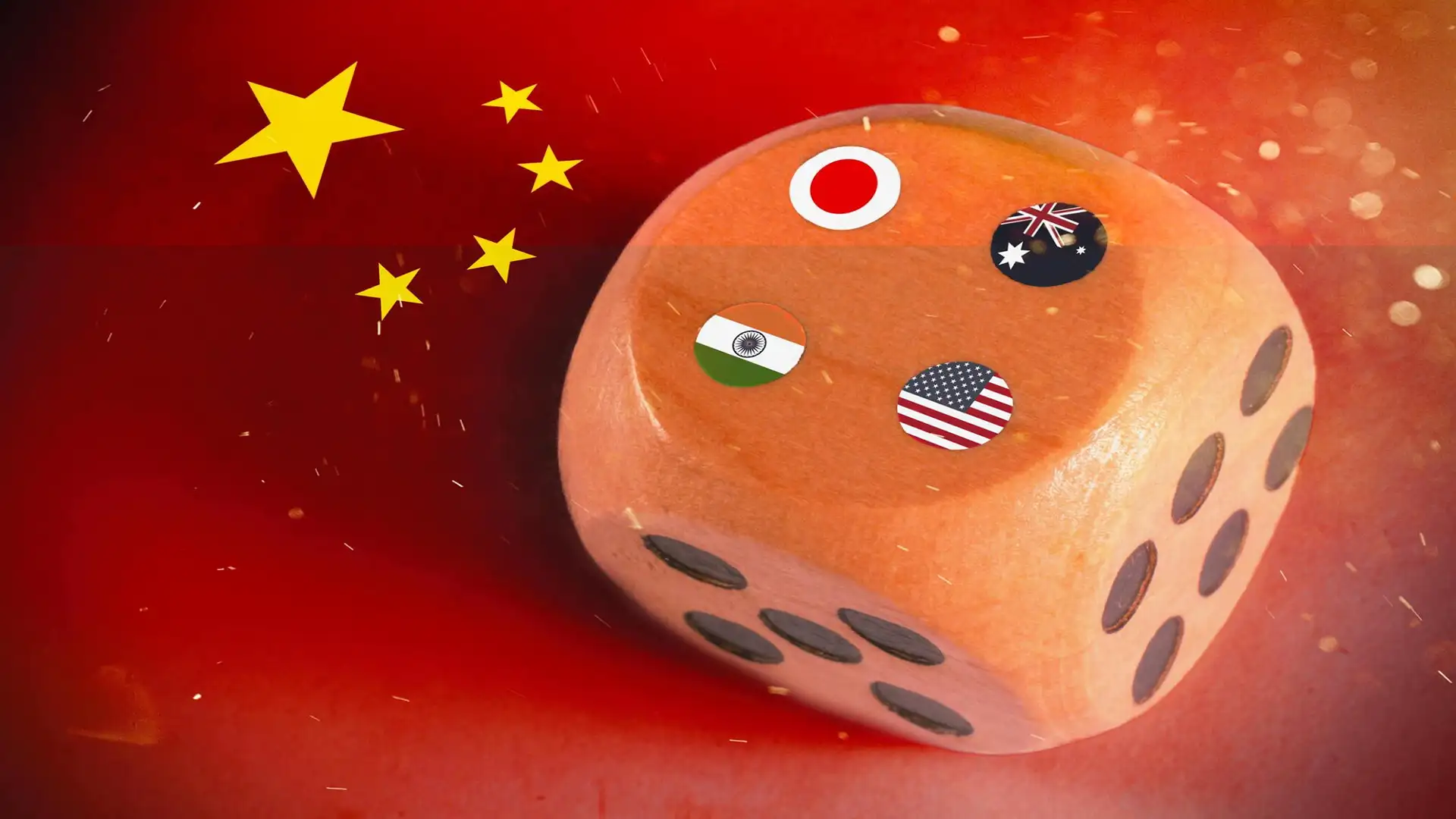
The Quad framework aggressively delved into the health domain during the pandemic to match the efforts of China. By 2021, China had promised one billion doses of its home-grown vaccine to Africa and about 150 million to ASEAN countries. This prompted Quad to match China's soft power approach with its own vaccine initiative, which offered nearly 1.2 billion doses to the Indo-Pacific by the end of 2022. The U.S. Development Finance Corporation loaned $ 50 million to the Indian pharma company Biological E for this purpose. In addition, J&J's single-shot vaccines were also procured. However, the Quad vaccine distribution stalled as the pandemic subsided, and vaccine hesitancy was rising. Ultimately, only India donated under the Quad umbrella, while the other three members donated bilaterally.
Paradox 1: Domain Expertise vs. Political Engagement
Health issues, traditionally considered technical and within the domain of healthcare professionals, now demand a broader spectrum of involvement. The first paradox lies in the tendency of health experts to distance themselves from politics and diplomacy. This separation can hinder the necessary attention and funding for public health.
The Quad countries acknowledge this challenge, promoting collaboration among scientists, government officials, ambassadors, politicians, business leaders, and community workers to create a holistic approach.
Paradox 2: National Responsibility vs. Transnational Character
Despite the transnational nature of health challenges, states often approach health issues with a fundamental national responsibility mindset. The second paradox highlights global partnerships' necessity to address shared social objectives. The Quad, recognizing the interconnectedness of global health, strives to foster collaboration beyond nationalist frameworks.
Paradox 3: International Agency Dissonance
The third paradox underscores the coordination issues among international health agencies. The multitude of multilateral and bilateral entities responsible for global health suffer from dissonance, hindering collective action. The Quad, acknowledging the need for a unified response, positions itself as a platform for streamlined collaboration and collective action.
The Changing Landscape: From Local to Global Health Threats
The paradigm shift in how diseases impact the world is evident in the globalized era. Diseases that were once localized issues now transcend borders, as seen with outbreaks like Ebola and the rapid global spread of COVID-19. This evolution demands a unified response, emphasizing global collaboration, resource-sharing, and knowledge exchange to effectively combat these threats.
Innovations in Health Technologies: A Quad Perspective
Collaboration with Quad countries holds tremendous potential for India's pharmaceutical industry, which currently contributes significantly to global generics and vaccines. The innovative intranasal platform technology developed by Synergia offers a novel drug delivery system directly to the central nervous system. This inventive approach showcases the potential for collaboration in healthcare technologies within the Quad framework, fostering healthcare proliferation across the Indo-Pacific region and beyond.
As the pharmaceutical industry undergoes unprecedented changes, the Quad plays a pivotal role in shaping its future. Outlining key future scenarios, including the industry's global, virtual, and nimble nature, emphasizes the shift to preventive treatments, gene therapy, and the importance of platform technologies. The Quad aims to stay ahead in the evolving landscape of healthcare.
Conclusion
In navigating the complexities of global health governance, the Quad framework emerges as a dynamic force, transcending traditional geopolitical boundaries to address pressing health challenges. By acknowledging and overcoming paradoxes, fostering innovation, and envisioning the pharmaceutical industry's future, the Quad countries demonstrate a commitment to collective action and the well-being of people worldwide. Global health is not just a scientific challenge but a matter of social justice and human rights that requires collaborative efforts and a shared vision.
Assessments
A long-term health security strategy for the Quad is essential, not just for strengthening the partnership but also for building trust in the Quad
.
Quad's vaccine initiative demonstrated a public commitment to the Indo-Pacific beyond the restrictive confines of hard security to provide public goods. However, for this softer policy to be effective and successfully match Chinese inroads into the region, Quad must build on its momentum to expand its health security partnership.
The good news is that Quad has imbibed important lessons from its pandemic experience and is
keen to take it forward, dividing the scope into country-wide
sub working
groups. While the U.S. and Japan lead on regulation innovations, India and Australia look at pandemic responses. This initiative can easily be redirected to other health care segments when the need arises.