
PRICKING CHINA’S EV BUBBLE?
The EU’s higher tariffs on Chinese electric cars are another step to rein in China's galloping lead in green technology.
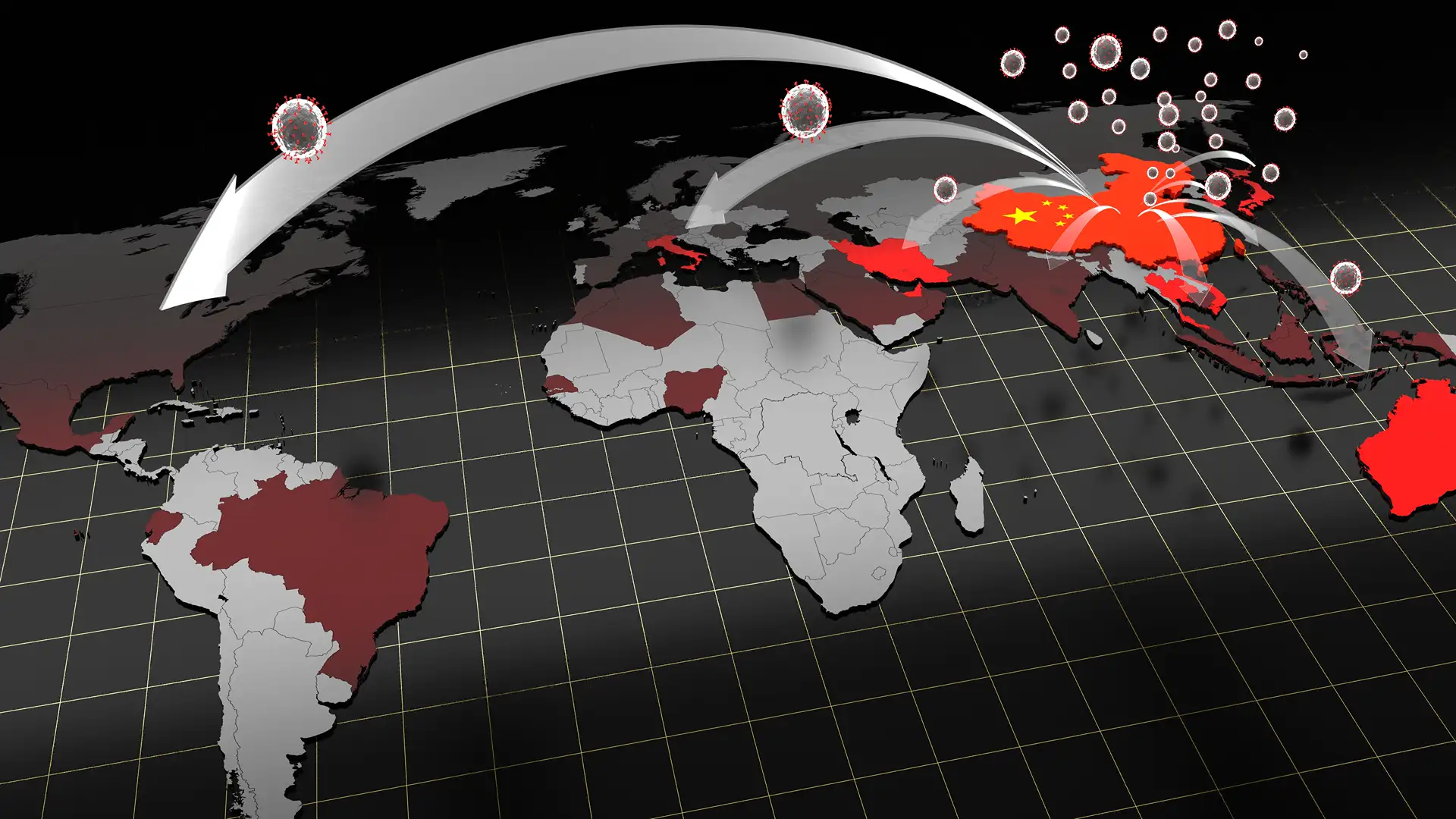
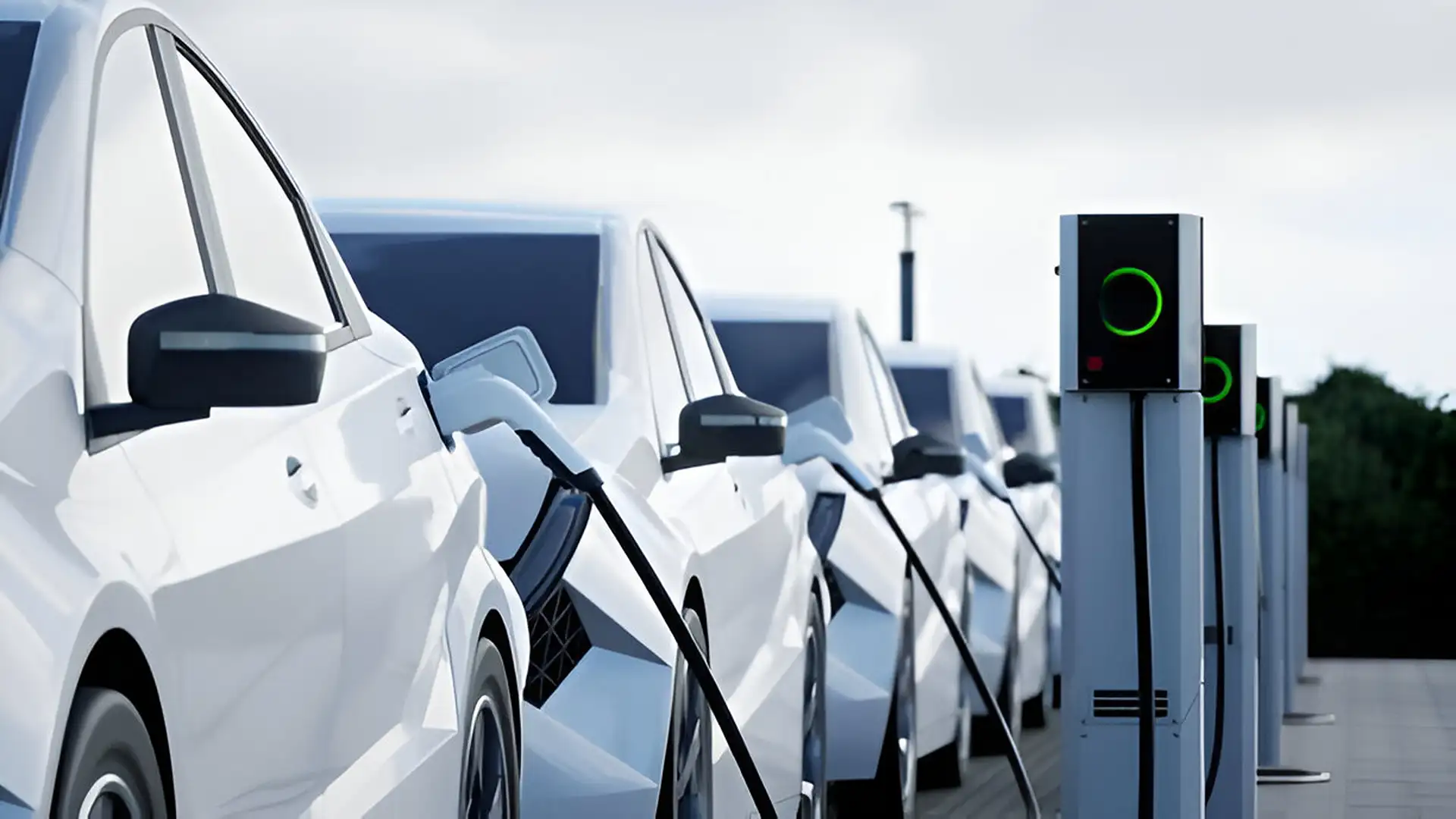
The EU is imposing significantly higher tariffs on imported electric vehicles (EVs) from China. The move occurs amidst wider concerns about Chinese government subsidies and low-cost Chinese green technologies flooding EU markets.The provisional higher tariffs range from 26to 48 per cent and will go into effect this week until a final decision is made after four months. The tariff hike resulted from increased EU scrutiny of Chinese businesses in recent months. The Bloc looks to safeguard its domestic industries from foreign companies that benefit from price-distorting subsidies, with China in focus.
The U.S. has gone a step ahead with tariffs at 100 per cent on Chinese EVs. However, the EU’s tariff over and above the current tariff of 10 per cent on imported cars will mean a nearly five-fold increase for some Chinese producers.
The escalated duties are provisional, meaning that although they will be levied, they will only be confirmed in November if the EC finds that the EU’s auto industry would have faced material harm without them. This leaves some room for negotiation. The EU and Beijing have agreed to engage in trade talks to resolve the issue.
Grabbing the Global Lead
A report in the Harvard Business Review (03 January 2024) by Chengyi Lin, an affiliate professor of strategy and a leading expert on digital transformation at INSEAD, claims that China leads the world in putting on-road electric vehicles (EVs). Naturally, it is also swamping the global EV market with its products, grabbing over 22 per cent of global EV exports in 2022. While the early adopters of EVs have been the U.S. and the Scandinavian countries, the West has lagged in mass market adoption to the Chinese. Three reasons for this remarkable success have been attributed- experimenting in adjacent industries, encouraging operational solutions and doubling down on core technology.
China has always strongly advocated state support for fledging new industries, and the EV industry has received the unstinted support of government finances. Since 2009, the Chinese government has been subsidising the manufacture and sale of hybrid and electric cars and busses, to the tune of RMB 4000 ($5550) to RMB 60,000 ($ 8000) per unit in passenger cars. Not surprisingly, a robust domestic industry emerged, with EV sales soaring 82 per cent in 2022 and accounting for nearly 60 per cent of global EV purchases. Having established a robust and flourishing EV domestic industry, China was well poised to venture globally.
While welcomed at home, state subsidies are frowned upon when such subsidies unfairly tilt the competition in favour of the home team in exports.
Cracking Down on Unfair Practices
The EU’s eight-month anti-subsidy investigation into Chinese EVs is the highest-profile anti-subsidy case in years. The European Commission (EC), the EU’s executive branch, found that companies making EVs in China benefit from substantial government subsidies, enabling them to undercut EU rivals through lower prices. They thereby gain significant market share and an unfair competitive edge. For instance, BYD, a leading Chinese car maker, sells its Dolphin model in Europe at about 32,400 euros, while a Tesla Model Y costs almost 40,000 euros and a Volkswagen ID.4 costs 37,000 euros.
According to the EC, Chinese EVs have leapt from 3.9 per cent of the EV market in 2020 to 25 per cent by September 2023. It found that companies in China benefitted from supply-side subsidies like low-cost land for factories, lithium at below-market prices, tax breaks, and cheap loans from state-controlled banks.
EU fears are real and not just imagined. As Chinese EVs rapidly gain more market share, the EU is concerned that they will jeopardise the EU's green tech industries, which are integral to its efforts to cut down on carbon emissions. There are also millions of auto industry workers and many more people whose livelihoods are indirectly connected to EV production.
The EU burnt its fingers in the solar panel debacle wherein cheap Chinese imports virtually crushed the few EU solar panel manufacturers in just a few years before import tariffs could be slapped. Having learnt a bitter lesson, the EU wants to ensure a more level playing ground for all manufacturers in the EV sector, a flagship initiative of the Green drive.
India, too, is in the same boat, having sunk billions in the domestic solar panel manufacturing sector under Aatmanirbhar Bharat, which is now under threat due to the influx of cheap Chinese imports. Despite imposing a 40 per cent import duty, Chinese solar panels remain cheaper, primarily due to special incentives provided by China to boost exports to India.The domestic solar panel industry’s capacity utilisation has plummeted to 30-35 per cent due to the surge in Chinese imports. Many manufacturers have turned to export markets to sustain operations, with substantial shipments made to countries like the U.S.
Never one to take things lying down, Beijing has threatened retaliations; one EU item targeted is the lucrative pork shipments to China's huge market that keeps the restive EU agriculture sector well lubricated with profits. Having identified the movement's leaders to target Chinese EV imports- France and Germany- Beijing has cleverly designed its retaliation to hurt these two countries the most. Tariffs will be imposed on French wine-based spirits and gas-guzzling luxury automobiles from Germany!
A Geopolitical Shift
This shift from Chinese imports was expected as geopolitical contestations are increasing the gap between China and the U.S. and its EU allies. It reflects an overall EU determination to de-risk from China.
The measure also reflects the EU’s determination to de-risk from China, reducing risky dependence on China.Moreover, the EU increasingly views China as a strategic rival and has become more wary of it since it supported Russia after it invaded Ukraine.
Contrary to common perception, the EU is not following American cues; its responses have been far more toned down. While the US’s prohibitive tariffs are intended to exclude Chinese EVs from the market, the EU’s tariffs are intended to nullify the advantages gained from subsidies. This reflects that the EU is keen to maintain trade ties with China, which is hardly surprising considering that a goods trade worth $ 798 billion and exports over $ 241 are at stake!
While the EU tariffs have been criticised as protectionist, the WTO rules permit tariffs intended to offset the effects of subsidies, provided that the investigating country finds that its domestic industry faces material harm from the subsidised imports. On the other hand, the U.S. measures are more extreme than just mitigating the effects of subsidies; the U.S. seems to have little faith in the WTO system when it comes to dealing with China’s unfair practices.
The Fallout
The move has been criticised because it will lead to higher prices in the EV market and discourage demand for battery-powered cars, hindering the EU's carbon reduction goals. Yet, allowing its local EV industry to be wiped out could bode worse for its green goals.
The measure could also risk escalating trade tensions and spark a trade conflict. Further, the increased tariffs could hit consumers more than Chinese car makers by hiking the price of affordable EVs. It could also hit European car manufacturers that rely on China for production and exports, like BMW and Mercedes Benz.
Yet, as an article by Chatham House (June 13, 2024) points out, it could be worth paying a premium for domestic goods as an investment towards green tech capacities in a volatile geopolitical context. The EU would also have to look at its financing of green tech as its current investment levels fall short. According to an article in the New York Times, the EU is not manufacturing enough batteries for the growing number of EVs expected to be produced in the coming years (December 6, 2023). Batteries are the costliest components of EVs, and here again, China has an unassailable lead.
Given that China supplies cheap green tech, it cannot be denied that tariffs increasing the cost of these goods will slow down the green transition. Not only will this discourage demand for green goods, but it will also strengthen the perception that clean energy is an elite choice.
One possible alternative could be for Chinese EV makers to establish plants in EU countries that employ European workers or set up joint ventures with European car companies. Chinese car companies already have plans to expand in Europe: BYD is keen to become a top carmaker in Europe by 2030. Its first EU plant is going to be an assembly unit in Hungary. Several European countries are keen to welcome Chinese car and battery makers to their home turf, hoping it could generate jobs and strengthen domestic supply chains. In other words, a certain degree of dependence on China could be a price worth paying to access affordable green tech and create jobs.
Assessment
As the EU balances competing considerations of protecting local industry and jobs, supporting the green transition, and safeguarding consumer interests, it will factor in the lessons from the solar panel debacle.
Yet, shutting out Chinese green tech goods like EVs would mean losing out on the most affordable EVs on the market. It would also risk
trade hostilities with China, leading to retaliation and harming trade ties with Beijing worth billions of dollars.
In any case,
whether the EU's tariffs will be sufficient to prevent Chinese EVs from undercutting locally produced EVs remains to be seen.
Certain Chinese producers could still
make a
profit and remain competitive in the market despite the higher duties
,
while
others may find it more difficult.
India has learnt this bitter lesson in the solar panel debacle at some cost.