
NO LONGER HAUTE COUTURE!
China's rich are shying away from displaying luxury spending amidst the economy's struggles.
By Suchitra
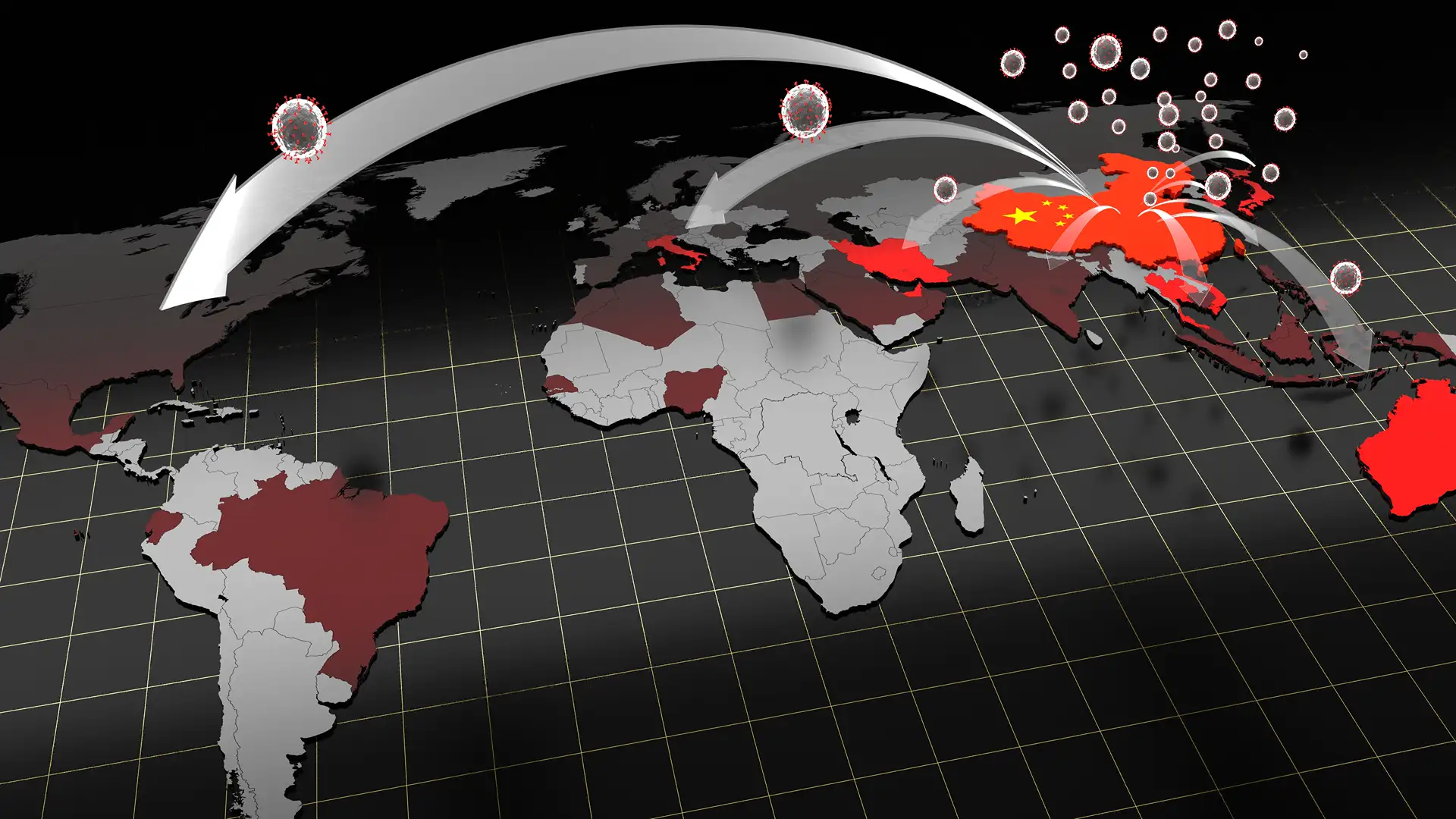
As the world’s economy experiences a rough tumble, all eyes are on the Asian economies leading the pack. Over the past few months, Chinese GDP (gross domestic product) numbers showed that Chinese economic growth has slowed to 4.75 percent from the rapid annual economic growth rate of seven to eight percent during the 2010s. The concern is that unless the Chinese government introduces major structural economic reforms encouraging domestic consumer spending, China could experience a Japanese-style lost economic decade.
This could have major consequences for the world economic outlook given that China is the world's second-largest economy and, until recently, was the world's main engine of economic growth and a leading consumer of international commodities. The ripple effect is already visible in most segments, and none is more visible than in the Luxury market.
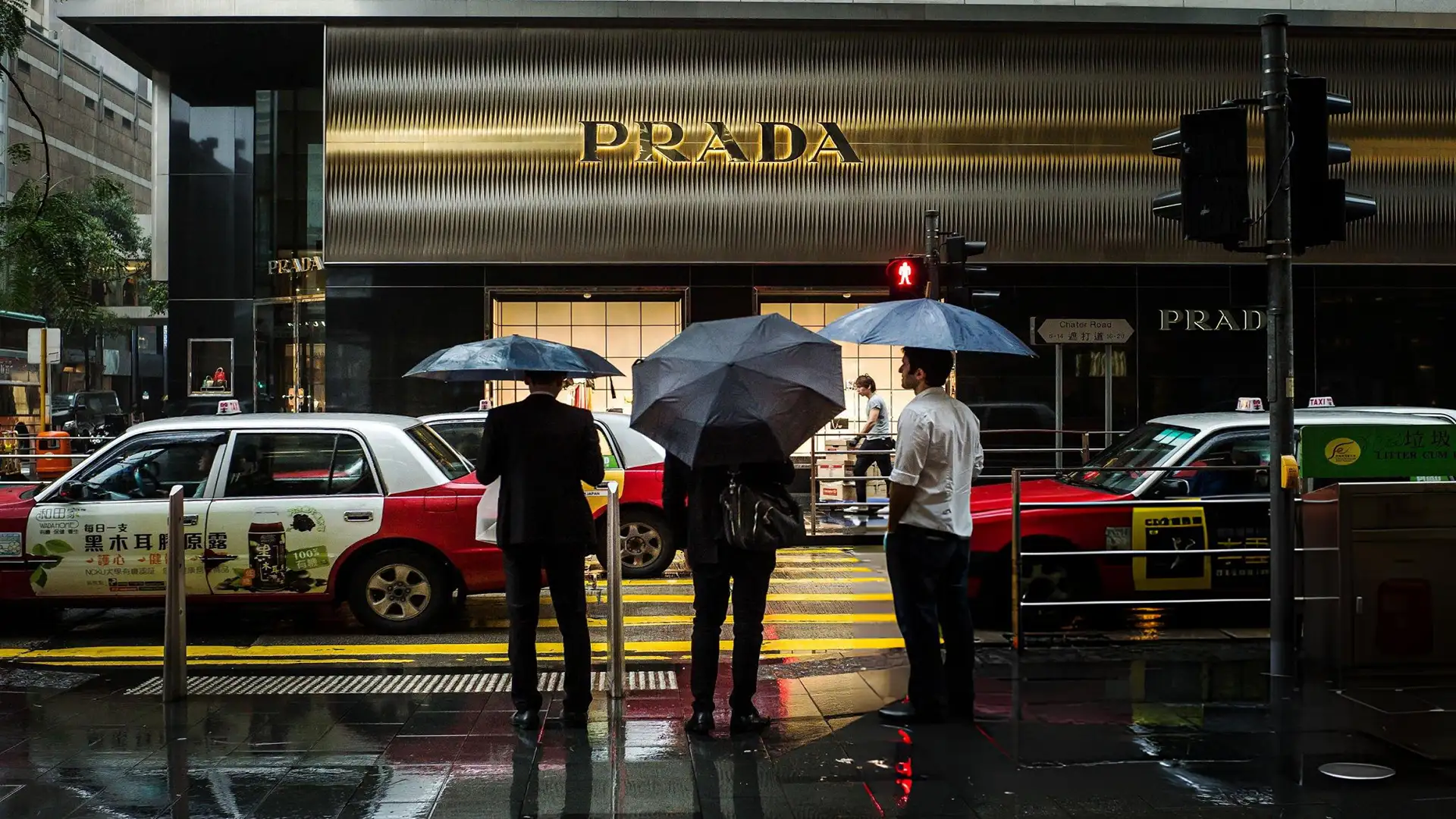
A recent mega-wedding in one of India's wealthiest families became a global spectacle for its unprecedented extravagance. In stark contrast, a different trend is emerging in neighbouring China, where the wealthy are now discreet about their luxurious lifestyles due to economic challenges. China's affluent class is avoiding flashy purchases, putting strain on the nation’s luxury market.
Signs of Trouble
The root cause of China's present economic problems is the highly unbalanced economic model that it has pursued over the past 30 years. China excessively relied on investment in general and housing investment in particular to drive economic growth,but it also became overly dependent on exports and a steady supply of cheap labour from its agricultural sector.Its poor demographics, the troubling state of its local government's finances, and souring trade relations with the United States cast a further dark cloud over China's longer-run economic growth prospects.
In response to the crumbling of the real estate sector, the central government is planning two new initiatives. The first plan is to buy distressed projects from private developers, convert them into homes, and then rent or sell the homes to consumers. The second programme will have the government build more subsidized housing rather than leave the task to private developers. However, this plan will cost about $1.4 trillion over the next five years, a problem for a country already deep in debt.
Tensions with the United States are the top external challenge for China's economic recovery in 2024, but not the only one. Complex global supply chain disruptions pose risks to Chinese exporters already operating on thin profit margins. The Red Sea crisis has disrupted the main shipping route between Asia and Europe, causing delays and raising shipping costs, lowering the profitability of Chinese exporters. The Suez Canal is a primary route for China's westward goods shipments, including around 60 percent of its exports to Europe. A prolonged Red Sea shipping crisis would pile pressure on Chinese exporters and challenge the Chinese economy, which is already battered by a looming property sector crisis, weak consumer demand, a shrinking population, and sluggish global growth.
In the long run, Chinese economic growth faces the challenges of the “4 Ds”: debt, demand, demographics, and decoupling (which some prefer to call “de-risking”). The first three Ds suggest that the Chinese economy is exposed to the risk of a Japan-style stagnation: Debt is soaring while growth is slowing down, and sluggish demand cannot catch up to overextended supply and adverse demographic trends. However, these risk factors do not necessarily suggest that the decline of the Chinese economy is inevitable. An improvement in the external environment combined with domestic structural reform can still boost the growth of the Chinese economy.
In addition, structural reform takes more than fiscal and monetary stimulus; it requires political incentive alignment that is hard to obtain.
Seek, but Don’t Flaunt!
China has done a bit of a yo-yo with the obvious display of wealth. Mao Zedong once persecuted the wealthy, but his successors adopted a different approach. China's paramount leader, Deng Xiaoping, famously advocated “let some people get rich first" as he initiated market-oriented reforms. Today, a growing number of Chinese have accumulated vast wealth. But now the pendulum has swung back, with the government targeting extravagant displays of affluence.
Online influencers have become the state’s primary focus. These mostly young individuals, who once showcased their luxury goods to millions of followers, have recently faced the suspension of their social-media accounts by China’s internet regulators.Wang Hongquanxing, often referred to as "China’s Kim Kardashian, " known for his extravagant lifestyle, reportedly refusing to leave his home without clothing, jewellery, and accessories worth at least 10 million yuan ($1.4 million) was reportedly banned from leading social media platforms in May.
This is not the first time influencers have drawn the government's attention. In 2021, they were also targeted as part of Xi Jinping’s "common prosperity" campaign, an initiative aimed at curbing the excesses of the ultra-rich and reducing inequality. Wealthy individuals and companies were encouraged to contribute more to society, with the high-profile case of Jack Ma, China's most famous billionaire, serving as a cautionary tale for other plutocrats.
A June report by Bain & Company highlights the growing trend of "luxury shame" in China, affecting the elite and the middle class. While the wealthy fear appearing extravagant, the middle-class steers clear of aspirational spending.
The concept of "luxury shame" first gained prominence in the U.S. after the 2008-09 financial crisis, when even those who could afford luxury items avoided displaying them. This trend is taking root in China as its GDP growth lags, and unemployment remains a critical issue.
The Chinese Communist Party's (CCP) influence also plays a role in intensifying the "luxury shame" trend. The CCP has been actively promoting the concept of "common prosperity," discouraging displays of wealth. This year, the CCP banned several online influencers known for their lavish lifestyles from Chinese social media platforms.
China’s economic uncertainty has led to a contraction in the luxury market, with affluent consumers shifting their spending to more discreet and less conspicuous investments.In the first quarter of fiscal 2025, Burberry’s earnings report painted a stark picture of the shifting dynamics in the luxury market. Sales in the Asia Pacific region plummeted by 23 per cent, with Mainland China seeing a 21 per cent drop.
Meanwhile, luxury brands have been lowering their prices as unsold inventory accumulates. This shift likely stems less from the crackdown on influencers and more from the broader economic downturn, with Chinese consumers becoming more cautious and spending less on luxury items such as Balenciaga bags and Gucci wallets.Brands like Marc Jacobs, which offered over 50 per cent off on Tmall Luxury Pavilion, and Bottega Veneta, which promoted interest-free loans, are examples of luxury brands' increasingly aggressive strategies to attract Chinese consumers. Consumer behaviour is shifting, with buyers increasingly seeking value for money rather than paying premium prices for foreign goods.
The luxury market in China, which doubled in size between 2019 and 2021, is now polarized, with top-tier brands like Louis Vuitton and Hermès maintaining price control and avoiding discounts. They fear these discounts may harm brand equity and do not guarantee inventory clearance.
Many Chinese shoppers are now choosing to make luxury purchases overseas, particularly in Japan, where a weak yen has made luxury goods more affordable. This shift in spending has further impacted luxury sales within China, with brands resorting to significant discounts to clear excess inventory. Bain estimates that by 2023, around 30 per cent of Chinese luxury spending occurred outside of Mainland China, a sharp rebound from less than 10 per cent during the pandemic. Not surprisingly, Japan is enjoying a 6 per cent increase in sales, largely fuelled by tourists from China and other Asian countries rather than local buyers. This pattern is not unique to Burberry; luxury giants like Richemont, Swatch Group, LVMH, and Kering have all reported strong growth in Japan compared to the rest of Asia.In March, Japan welcomed 3.1 million visitors, surpassing pre-pandemic levels. The devalued yen has played a crucial role, attracting travellers from Korea, Taiwan, China, and Singapore eager to purchase luxury goods at lower prices.
Future Prospects
Over the past three decades, China has demonstrated extraordinary economic performance, transforming from a low-income to an upper-middle-income nation. In 2022, China's GDP reached $18.3 trillion, equating to 73 per cent of the United States' GDP, significantly higher than the 7 per cent in 1990. Per capita income rose to approximately $13,000, 17 per cent of the U.S. figure, a substantial increase from under 2 per cent in 1990. In the last 15 years, China has been the primary driver of global economic growth, contributing 35 per cent to global GDP growth, compared to the United States' 27 per cent.
China achieved this without many traditional growth drivers, such as a robust financial system, strong institutional framework, market-oriented economy, or democratic governance. Despite domestic and global turbulence, the economy remained resilient until the COVID-19 pandemic.
Critics have long predicted an imminent economic collapse, citing China's reliance on inefficient investments, especially in real estate, and rising domestic debt. However, while potential vulnerabilities exist, including unbalanced reforms, volatility in financial and property markets, and a shrinking labour force, a financial or economic collapse is not inevitable.
China's growth has been fuelled mainly by investment, particularly in the public sector, which intensified after the 2008 global financial crisis. The Chinese government has since sought to rebalance the economy by reducing reliance on investment-heavy growth and increasing the role of household consumption and the services sector in GDP growth. Though progress has been uneven, significant strides have been made.
Looking ahead, China's shrinking labour force, slowing productivity growth, and challenges in implementing the "dual circulation" strategy—aimed at boosting domestic demand and technological self-sufficiency—pose significant risks. External pressures, including geopolitical tensions and the need for foreign technology, further complicate the outlook.
China's overall debt remains a concern, especially in the corporate and real estate sectors. Still, the likelihood of a systemic financial meltdown is low due to state control over major banks and corporations. However, market-oriented reforms must be carefully managed to avoid exacerbating volatility and inefficiencies. The government's balancing act between market freedom and intervention continues to present complex challenges that, if mishandled, could have long-term consequences.
The government now grapples with several complex policy dilemmas: reducing debt while sustaining growth, cutting energy-intensive production while remaining reliant on heavy industry, enforcing financial discipline through markets while strengthening state control, addressing wealth inequality while depending on the private sector to generate wealth, and fostering private sector innovation while curbing the power of successful private enterprises.
In reconciling these contradictory objectives under the banner of market-oriented socialism, the government will likely encounter further missteps and challenges. Although the policy goals are sound, the approach could create short-term uncertainty and volatility, potentially weakening public support for necessary reforms to enhance long-term productivity and growth.