
THE NEW OIL?
Lithium demand is set to rise in the long term, while supply constraints are not going away in a hurry.
By Tarini
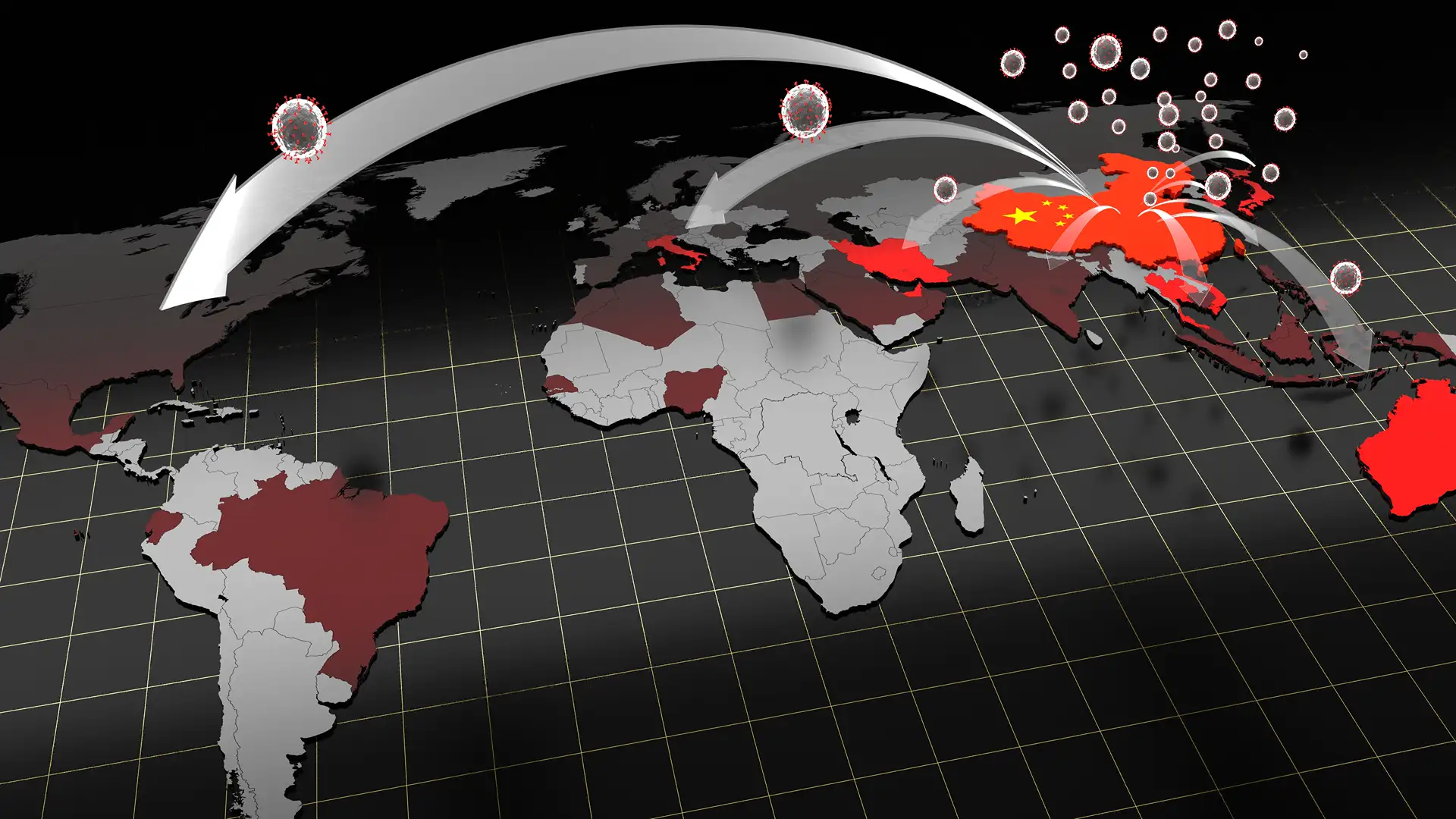
Like the 1880s, we are witnessing a second "scramble for Africa." Africa has some of the richest deposits of this critical mineralused extensively in both military and civil industries.
As green tech becomes more prevalent, demand for lithium has shot up exponentially (although it recentlydropped). Countries and companies are scrambling tosecure lithium sources, whether international or domestic.Not surprisingly, the quest to grab the biggest chunk of this rare mineral has various potential international ramifications.
Meanwhile, world oil demand is slowing, according to a report by the International Energy Agency (IEA) (June 2024).
Why Lithium?
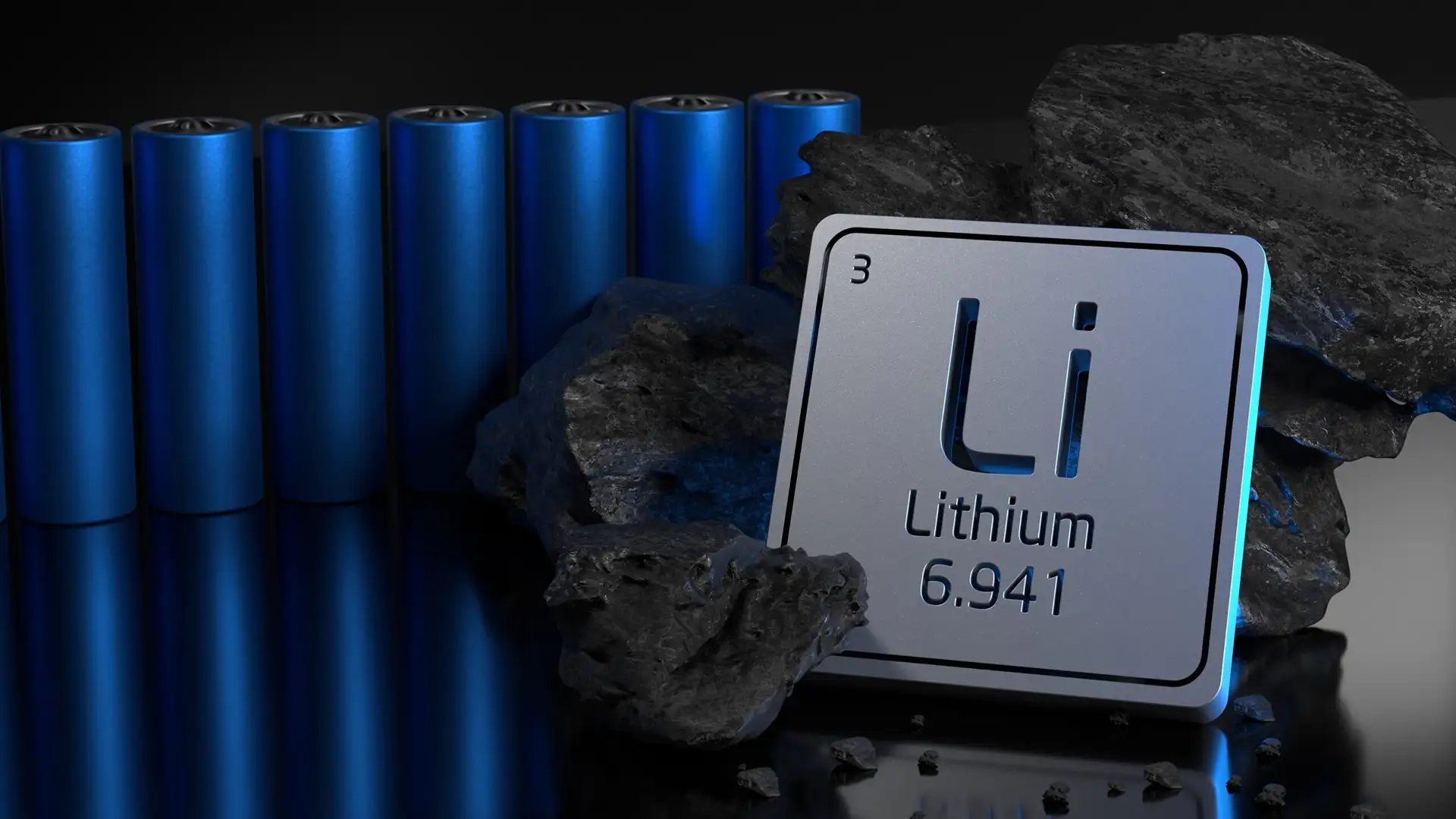
Lithium is one of the most important elements for the energy transition. Demand for lithium batteries surged with the invention of personal electronic devices like mobile phones and laptops. Not only do lithium batteries power most portable devices, but they are increasingly used to make electric vehicles (EVs).
As electric vehicles become more prevalent and countries take measures towards their carbon goals, lithium demand has grown exponentially and is set to grow further. Lithium is the lightest metal, and its composition is ideal for building light but powerful batteries compared to heavier alternatives like nickel-cadmium and lead-acid batteries. For instance, a Tesla Model S battery has around 12 kg of lithium, and the grid storage would need much more lithium.
Price Comparison
It would be illuminating to observe how international lithium prices are giving stiff competition to global oil prices.Oil prices have increased, too, but that is mainly due to a return to normal demand after the pandemic and supply chain constraints on account of geopolitical conflicts. Moreover, Saudi Arabia, a leading nation of the Organization for Petroleum Exporting Countries (OPEC), is determined to support oil prices through production cuts. Output in other places, such as Africa, the U.S., and Iran, has also been lower.
Lithium, too, witnessed a disrupted supply chain, but demand has grown exponentially. In other words, rising lithium prices are due to increasing demand, while higher oil prices are mainly due to supply constraints.
One major difference between oil and lithium is that the global economy doesnot have many alternatives when oil prices escalate. Aircraft, trucks, ships, cars, and fertiliser plants continue to rely on oil so the demand does not drastically fall in response to a price hike. However, for now, lithium users have other options and can even cancel projects. This means that even while demand for lithium will only grow, it may not quite become the new oil in terms of clout in the global economy. Similarly, those who control the lion's share of lithium supplies are not likely to exercise as much influence on the global economy as OPEC. However, their influence will grow as more machines go green.
Like oil, possession/ control of access to lithium supplies will be a powerful geopolitical weapon; the portends are already clearly visible. Mining is concentrated in a few countries – Australia, Chile and China account for 90 per cent of lithium production. These three countries and Argentina host most of the economically viable reserves. Other countries like Bolivia possess lithium resources in lower concentrations, which is considered less economical. This limited geographic distribution restricts the supply and contributes to high prices even though overall quantities may be abundant. The supply chain constraints for lithium are not going away any time soon. Experts project a lithium supply deficit by 2030, increasing pressure to expand lithium production and processing.
Lithium prices recently plummeted due to oversupply from China and lagging EV adoption rates, triggering concerns about a lithium “bust” after a boom. However, lithium producers remain bullish on the mineral’s demand in the long term.
China, the Front Runner
Typically, Beijing grasped the nuances of controlling lithium supply more than a decade earlier and worked diligently to secure its supply chains. Today, China has a major stake in lithium mines, with mining rights in Africa, Australia, and Latin America. In terms of lithium production, around 65 per cent of lithium processing capacity is in China, followed by Chile (29 per cent). Despite being the largest producer of lithium, Australia is just beginning to establish processing capacities and has relied mainly on China for processing.
Much of the demand for lithium comes from the EV market, which China leads; in 2022, China’s EV sales increased by a whopping 82 per cent and accounted for almost 60 per cent of global EV sales, exceeding the U.S and Scandinavian countries that were early adopters of EVs. In 2023, almost 60 per cent of new electric car registrations were in China. China has invested heavily in EVs, which has enabled its EV boom and boosted demand for lithium, cobalt andrare earth elements.
The lithium vs. oil rivalry is also playing out in the auto industry as low-cost Chinese EVs threaten traditional car makers in global markets. These Chinese EVs benefit from generous government subsidies, enabling them to undercut rivals in the EU, U.S., and India. The EU’s recent move to increase tariffs on Chinese EVs reflects this, as does the U.S. measure, which imposed prohibitive tariffs on Chinese EVs.
Not so Green?
Yet, lithium is not as green as it seems. For starters, lithium mining requires huge amounts of water. Extracting 1 ton of lithium requires 500,000 litres of water. Mining and processing lithium has an environmental impact; it risks polluting water, soil, and the atmosphere through harmful chemicals and gases released, thereby impacting the ecosystem.
Further, a 2021 study found that extracting lithium from brine can produce around 11 tons of carbon dioxide per ton of lithium while extracting lithium from spodumene ore releases around 37 tons of carbon dioxide per ton of lithium.
However, new extraction methods like Direct Lithium Extraction (DLE) could have a smaller footprint and recycle the water used. DLE stands to make lithium more profitable as fracking did for oil. Extracting lithium from brine could almost double the lithium yield and deliver better project returns, encouraging further investment.
The overall benefit of lower emissions from EVs and other electric machines cannot be ignored. Recycling lithium waste could help mitigate the environmental burden of lithium extraction and processing through emissions savings, according to a study published in Oxford Academic.
India in the Scramble
India has prioritised developing its lithium supply to support its green transition and reduce strategic vulnerabilities. This is important, considering that the nation currently depends on Chinese imports. The government is introducing liberalised policies and incentives to strengthen the supply chain.
The Ministry of Mines released a list of "critical minerals" that are defined as essential for economic development and national security, whose lack of availability could disrupt supply chains. Lithium is categorised as a "strategic mineral" with 100 per cent import dependence, posing a challenge. Lithium battery imports amounted to $2.8 billion in 2022-23.
The government has opened the gates for private companies to mine lithium, with reserves recently discovered in Jharkhand, Rajasthan and Jammu and Kashmir. The government is also forging international partnerships to de-risk the supply chain, particularly from China. India has struck lithium agreements with Argentina and Australia.
Assessment
Lithium is on its way to becoming the new oil in certain respects – the growing demand, restricted distribution of supplies, and global importance as countries propel towards a green transition.
However, it is not yet as
pervasive
in its use as oil and does
not
have the clout to influence the global economy as oil prices do.
That it has a future cannot be denied or ignored;
countries like India
must
secure reliable lithium supplies to reduce strategic vulnerability and supply chain risks.