
LEGALLY CORNERED?
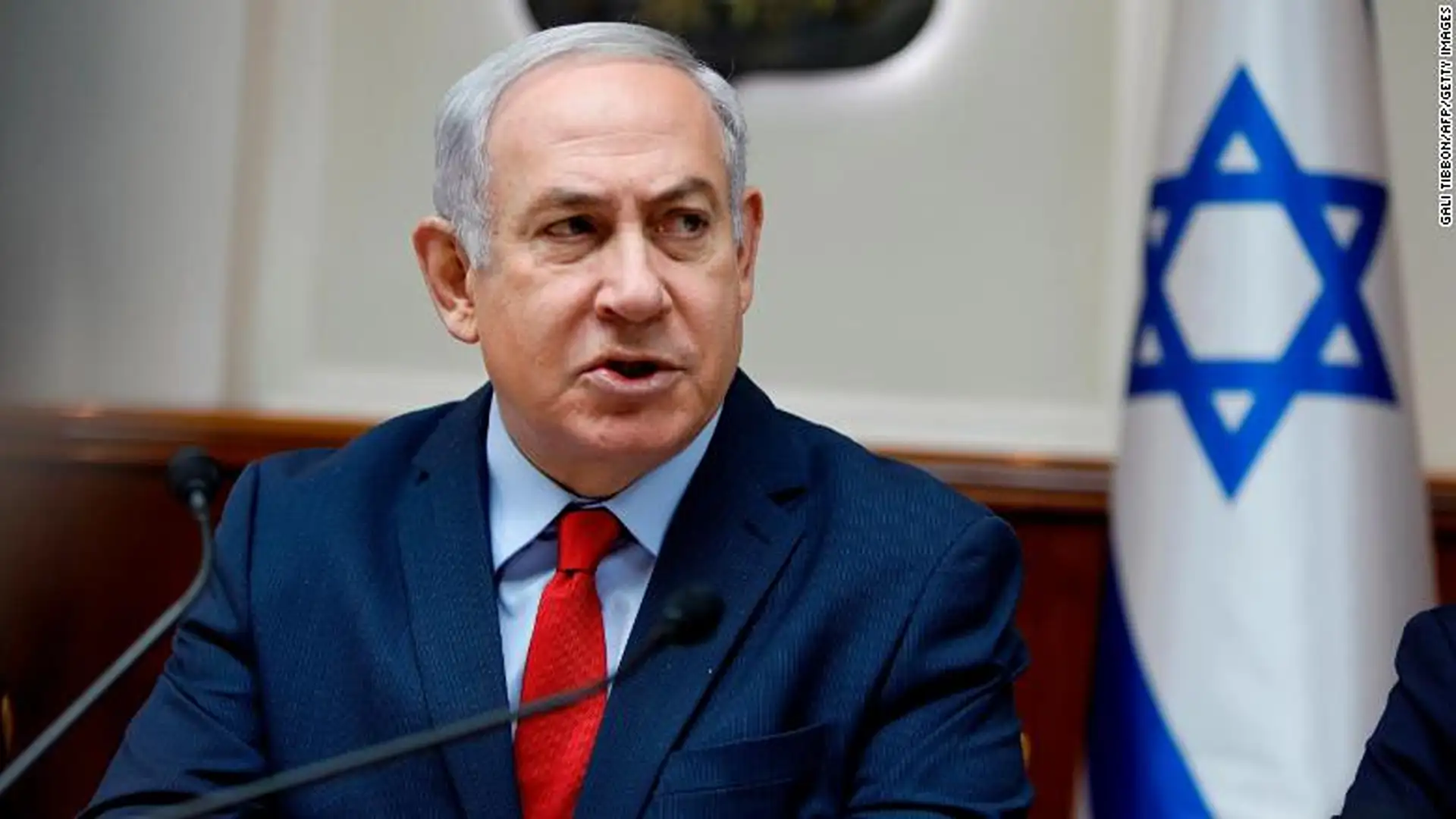
Facing conviction at home, Netanyahu confronts the daunting prospect of being legally pronounced a war criminal internationally.
Dishari Chakrabarti
07.12.2024
While Mr Benjamin Netanyahu may be pleased with his battlefield successes in Gaza and Southern Lebanon, he runs the real risk of being legally declared a war criminal, ironically being placed in the same league as the historical nemesis of his Jewish people, Hitler and his long-dead cronies. In this electronic era, actions of the IDF are being recorded every minute on cell phones and beamed in real-time and can produce strong evidence of human rights violations/ war crimes if presented formally as exhibits in international courts.
On November 21, 2024, the International Criminal Court (ICC) prima facia found adequate legal grounds to issue arrest warrants for former Defence Minister Yoav Gallant and Israeli Prime Minister Benjamin Netanyahu. Considering the period from October 8, 2023, to May 20, 2024, the two leaders are charged with war crimes and crimes against humanity. The accusations include employing famine as a weapon of war and purposefully attacking civilian infrastructure, including healthcare facilities.
The court also issued an arrest warrant for Mohammed Deif, the Commander-in-Chief of Hamas’s military wing, on similar charges related to the October 7, 2023, attack on Israel and subsequent actions in Gaza. These allegations include war crimes and crimes against humanity, underscoring the ICC’s effort to address atrocities on both sides of the conflict.
The Road to Warrants
The Gaza conflict of late 2023 and early 2024 was marked by extraordinary violence, beginning with Hamas's unprecedented attack on Israel on October 7, 2023. In response, Israel launched a series of military operations in Gaza, escalating the intensity of the conflict.
The ICC was forced into action under rising international pressure stoked by countries like South Africa. South Africa's case of genocide against Israel found support from at least nine other countries: Algeria, Bangladesh, Belgium, Belize, Bolivia, Brazil, Chile, the Netherlands and Saudi Arabia.
The International Criminal Court (ICC) has since alleged that certain Israeli actions during this period constituted violations of international humanitarian law. Central to these allegations are charges against Israeli Prime Minister Benjamin Netanyahu and former Defence Minister Yoav Gallant, focusing on their involvement in the deliberate targeting of civilian areas and critical infrastructure, such as hospitals. The charges also highlight obstruction of humanitarian aid deliveries, with starvation being effectively used as a weapon of war.
Will the Charges Stick?
This extraordinary action has sparked a global discussion and brought attention to the ICC's changing role and capacity to hold influential people accountable. Accused of bringing charges against leaders of underdeveloped or isolated countries with limited geopolitical influence only in the past, the ICC has now displayed a rare spine. For decades, the ICC has been criticised for focusing disproportionately on leaders from weaker or politically isolated nations, primarily in Africa. Since its inception in 2002 under the Rome Statute, the ICC has secured convictions in cases involving figures like former Congolese warlord Thomas Lubanga and former Liberian President Charles Taylor. Yet, it has often been accused of avoiding cases involving powerful state actors. The decision to target Israeli leaders represents an attempt to shed this image and assert the ICC as a truly impartial institution capable of holding even influential nations accountable.This action reflects a growing push to apply international law more universally despite the political complexities and challenges associated with prosecuting leaders of influential nations.
The ICC’s investigation has sparked intense global debate about its impartiality, effectiveness, and broader implications for international justice. While critics question whether the ICC can enforce its rulings against well-supported leaders, supporters argue that these efforts are essential to upholding human rights and deterring future violations. Whether the ICC can overcome political resistance and deliver justice remains to be seen, but this case undeniably highlights its evolving role in addressing global accountability.
However, critics contend that the court has a poor track record of obtaining convictions, casting doubt on whether these latest initiatives will result in justice or rather serve as symbolic measures. Supporters, however, see the action as an essential step in ensuring accountability, stressing the significance of implementing international justice.
Legal Framework
The International Criminal Court (ICC) operates under the Rome Statute, a treaty that defines its jurisdiction over crimes such as genocide, war crimes, and crimes against humanity. Articles 7 and 8 of the statute are central to these indictments, addressing offences such as murder, persecution, inhumane treatment, and attacks on civilian populations. These provisions seek to ensure accountability for violations of international humanitarian law and the protection of civilians during armed conflict.
The charges focus on Israel’s military actions, including the deliberate targeting of civilian infrastructure such as hospitals, schools, and residential areas, in violation of the principle of distinction under international law. The ICC also accuses Israel of obstructing humanitarian aid deliveries and employing starvation as a method of warfare, violations of Article 8 of the Rome Statute.
While Israel formally withdrew its settlers and military from Gaza in 2005, the ICC considers it an occupying power due to its control over Gaza’s borders, airspace, and resources. This designation places specific legal obligations on Israel, including protecting civilians and ensuring humanitarian access—obligations at the core of the ICC’s case. Israel has rejected the charges, asserting that its military operations were lawful responses to terrorist attacks by Hamas.
Israel is likely to contest the ICC’s jurisdiction by invoking "complementarity," claiming that its judiciary can address these allegations. If the ICC finds Israel’s investigations to be genuine and comprehensive, proceedings may be suspended. However, a determination that Israeli courts are ineffective or biased could allow the ICC to continue its case, prolonging Israel’s diplomatic and legal challenges.
Prime Minister Netanyahu’s office has denounced the warrants as “outrageous” and a threat to Israel’s sovereignty. The Israeli government has launched a robust diplomatic campaign aimed at delegitimising the ICC’s decision, seeking support from allies to counter the court’s actions, calling the charges “an antisemitic decision … equivalent to the modern Dreyfus trial.” This campaign highlights Israel’s longstanding view that the ICC disproportionately targets the Jewish state while ignoring violations by its adversaries.
Hamas has welcomed the ICC’s warrants against Israeli officials, viewing them as a significant step toward holding Israel accountable for alleged war crimes. However, this reaction is tempered by the fact that the ICC has also indicted Mohammed Deif, Hamas’s military commander, for his role in attacks on civilians during the same conflict. This dual indictment complicates Hamas’s stance, as it simultaneously supports the court’s move against Israel while facing its scrutiny. Deif’s charges underscore the ICC’s attempt to address crimes on both sides, challenging Hamas’s narrative of victimhood and resistance.
Implications for International Justice
The arrest warrants create significant diplomatic and legal challenges. The 124 ICC member states, including Israel's allies such as the UK, France, Canada, and Australia, are legally obligated to arrest the accused if they enter their territories. This obligation could restrict Netanyahu’s and Gallant’s international travel and isolate Israel diplomatically, limiting its leaders' ability to attend international summits or participate in high-level negotiations. The diplomatic fallout could extend beyond the accused individuals, potentially straining Israel’s broader relationships and diminishing its influence on the global stage.Additionally, the warrants may prompt further legal actions, such as civil lawsuits or criminal proceedings in other jurisdictions, intensifying scrutiny of Israeli officials.
Key allies such as Germany, the United Kingdom, and France face a delicate balancing act. As signatories to the Rome Statute, they are legally obligated to comply with the ICC's demands. However, doing so could jeopardise their longstanding political and strategic partnerships with Israel. Ignoring the warrants, on the other hand, might undermine their credibility and commitment to international law, potentially eroding trust in the ICC and its judicial authority.
In Western nations, growing public and political scrutiny may lead to calls for reevaluating military aid and arms agreements with Israel. For instance, the United States, Israel's most significant ally, provides approximately $3.8 billion annually in military assistance. Similarly, European countries maintain extensive arms trade agreements with Israel. Increased pressure from domestic constituencies or international advocacy groups could prompt these nations to impose stricter conditions on such aid or reassess their military support. These shifts could have profound implications for Israel's defence capabilities, economic stability, and ability to sustain prolonged conflicts or maintain technological superiority in regional security dynamics.
By pursuing allegations against influential actors, the ICC has the potential to redefine its role in the global justice system. Successfully prosecuting such cases could inspire other international institutions to take a firmer stance against impunity, setting a precedent for holding powerful leaders accountable for their actions.
This decision by the ICC highlights the persistent tension between the demands for accountability and the realities of diplomacy. While justice necessitates impartial action against war crimes and crimes against humanity, the complexities of international relations often prioritise maintaining stability over strictly adhering to legal principles. Striking a balance between these competing objectives will be crucial to preserving the ICC’s legitimacy and enhancing its effectiveness in the long term.
The case has also amplified the voices of victims and human rights advocates, emphasising the urgent need to address grievances through legal mechanisms rather than allowing cycles of violence to persist. By focusing on justice and accountability, the ICC underscores the importance of upholding human rights and ensuring that individuals and nations are held responsible for violations, fostering a more just and equitable global order.
If the ICC successfully pursues this case, it may set a precedent that reinforces its role in addressing serious violations of international humanitarian law. Such outcomes could inspire greater confidence among nations and civil society, potentially encouraging broader cooperation with the court. However, success hinges on securing convictions and ensuring due process, transparency, and adherence to legal standards.
The ICC's case against Netanyahu and Gallant could have far-reaching implications by establishing legal precedents for prosecuting state leaders involved in modern conflicts. Historically, the prosecution of high-ranking officials, as seen in the Nuremberg Trials after World War II or the Yugoslav War Crimes Tribunal in the 1990s, has been pivotal in shaping international law. If the ICC succeeds, it may embolden other nations or organisations to pursue legal actions against leaders accused of war crimes, irrespective of their geopolitical standing.
This case also underscores the ICC's expanded focus on crimes that include deliberate targeting of civilians, destruction of critical infrastructure, and the use of starvation as a weapon—acts explicitly prohibited under Articles 7 and 8 of the Rome Statute. The ICC could enhance its role in shaping international norms and promoting accountability in conflict zones by tackling such complex and politically sensitive cases.
Global Reaction
The global reaction to the ICC’s actions has been mixed, reflecting the geopolitical complexities of the situation.
Support for the ICC: Several nations, including Ireland and Norway, have strongly supported the ICC's actions. These countries emphasise the importance of accountability in conflict zones and view the warrants as a critical step toward justice. They argue that addressing alleged war crimes, regardless of the actors involved, reinforces the principles of international law and deters future violations.
Criticism and Caution: Conversely, countries like the United States and France have expressed scepticism about the ICC's ability to enforce the warrants. The U.S., a non-signatory to the Rome Statute, has historically opposed ICC actions targeting its allies, including Israel. While advocating for international justice, France has raised concerns about the legal and practical challenges of prosecuting sitting heads of state like Netanyahu, suggesting that such individuals may enjoy immunity under international law.
Neutrality: Many nations, particularly in Asia and Africa, have adopted a neutral stance, refraining from taking clear positions on the ICC’s decision. This hesitancy reflects the political sensitivities surrounding the Israeli-Palestinian conflict and the broader debate about the ICC’s role in addressing crimes committed by powerful state actors. These
nations often weigh their responses against their diplomatic and economic ties to both Israel and the broader Middle East.
Key Takeaways
The ICC's actions could serve as a catalyst for strengthening international institutions dedicated to human rights and justice. Collaboration between national courts and global agencies can help to develop a more unified and effective framework for accountability, ensuring that justice transcends borders.
Beyond punitive actions, international justice must prioritise prevention. Investing in conflict resolution and early intervention measures can assist in defusing tensions before they escalate into violence, highlighting the ICC's potential role in promoting long-term stability.
Technological improvements provide transformational instruments for international law, including evidence collecting and analytical investigations. However, their integration must prioritise ethical considerations like privacy and impartiality, ensuring that these technologies improve justice while remaining fair.
References
https://www.un.org/unispal/document/icc-arrest-warrant-netanyahu-21nov24/
https://just-access.de/what-future-for-international-justice/
https://www.orfonline.org/expert-speak/icc-warrants-for-israeli-and-hamas-leaders-challenges-ahead