
PLAUSIBLE ALTERNATE FUTURES
There is no sign of an emerging new order; the best we can do is manage conflicting trends and forces and pull back before they become open and unmanageable.
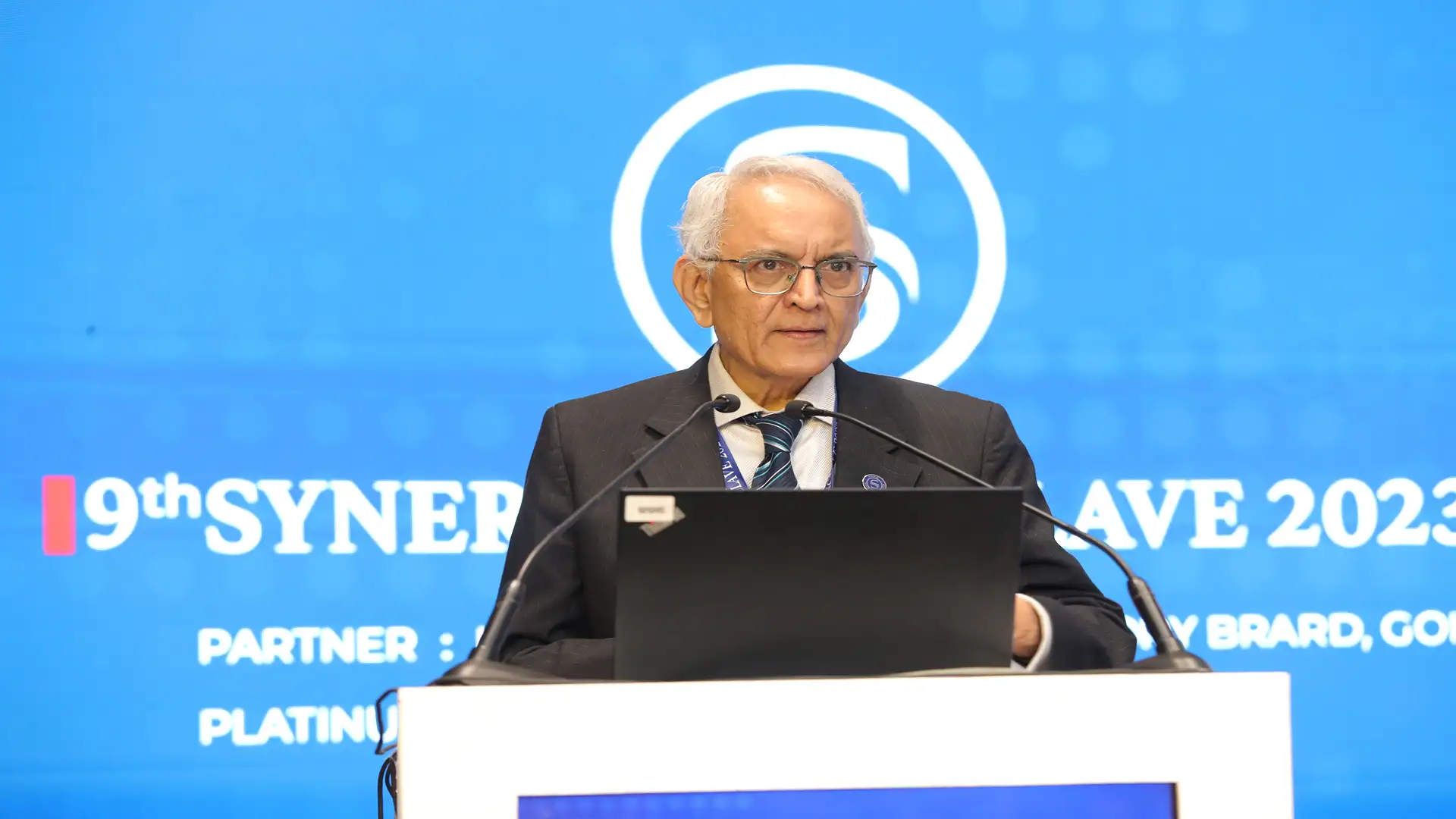
Ambassador PS Raghavan
The term global geopoliticsis a contradiction. A century ago, the geographer Sir Halford John Mackinder and naval strategist Admiral Alfred Thayer Mahan drew attention to the importance of geography in how nations behave, in how nations see the world and what they do with the world.
In its broadest sense, geography actually includes not only the physical landscape but also climate, demographics and, in many ways, natural resources. This shapes the historical experiences of countries and their cultural perspective. Therefore, it shifts their strategic ambitions and their responses to external developments.
It makes sense to talk about South Asia's and West Asia's geopolitics, not global geopolitics. Global geopolitics became fashionable because much of IR theory was developed in the West and, therefore, is from a Western perspective of geopolitics. This is not a trivial quibble because it is needed today to explain the behaviour of nations to the developments around them; not recognizing this is what causes strategists, media, and sometimes even governments to misunderstand and misrepresent the behaviour of nations.
Changing Geopolitical Panorama
In the post-Cold War period, globalization and technology have actually enabled countries to leapfrog stages of development and to get to a state where they believe that they have sufficient political clout, economic strength and influence in their neighbourhood, including military strength. Countries wish to leverage this capacity to accommodate their national interests and aspirations in the international order. This is being manifested in a number of events occurring all around the globe and was visible in the responses to the war in Ukraine and now in the Middle East.
The idea is to privilege their interests over what would be expected of them from the great powers. Today, in the behaviour of nations, interests score over values. Many countries worldwide no longer invoke the narrative of democracy versus authoritativeness. The ‘stampede’ to join BRICS is a good example; it is not only Chinese influence but more of a move to express their autonomy of action or policy making.
The so-called 'Middle Powers' believe they should have a greater frame and role in framing, interpreting and administering the rules of a new international order. The US National Security Strategy of November 2022 acknowledges this; it actually says that all nations supporting universal rights and freedoms should have the opportunity to participate in shaping the rules of an international order, whatever their political system. Of course, translating this principle into action in U.S. policy requires changing habits that have grown over many years of being the sole superpower.
Globalization in the current version has been securitized and fragmented. The WTO no longer oversees the rules of the road for trade; multilateralism is virtually dead. The Russia-Ukraine war has sharpened polarization along one axis, the West Asian crisis along another, and the U.S. and China standoff on yet another axis.
A ‘liberal international order’ sounds hollow when most liberal democracies have now introduced illiberal elements into their functioning.
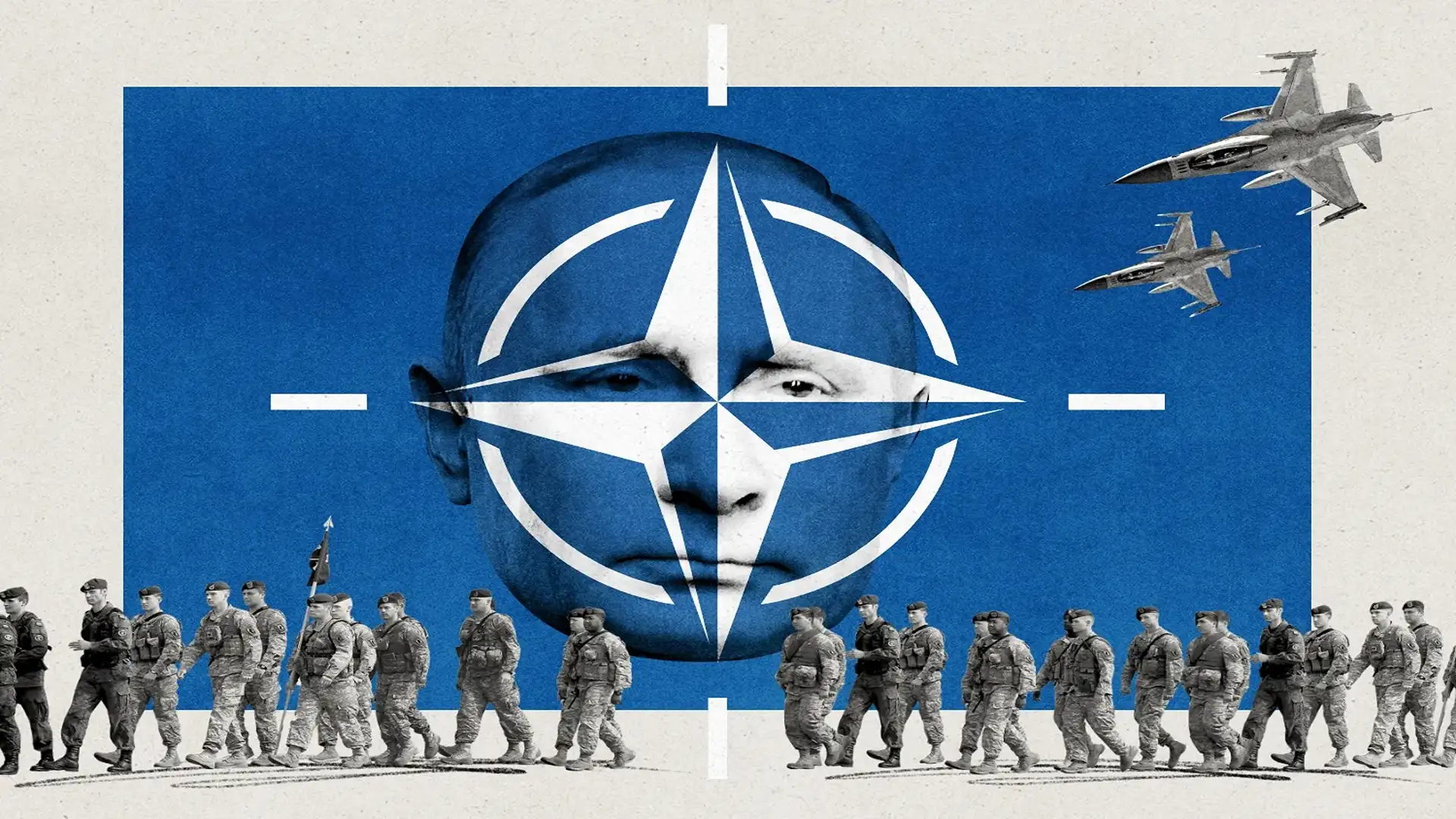
Looking at this dismal report card, the question to be asked is whether we today have a functioning international order? You have an international order created during the Cold War, which, because of developments after the Cold War, is actually dying. Today's situation involves a still dominant U.S., a sulky Russia, a truculent China and a directionless Europe. Then, there are many middle powers jostling for influence.
The United Nations
How can you name an organization "United" split across many axes? The United Nations Security Councilis supposed to have the ultimate responsibility for peace and security in the world; it is impossible to indicate even one action that it has taken over the last ten years that has actually promoted effectively peace and security in the world.
The United Nations can work as part of an international order that most countries subscribe to. However, that climate does not exist right now. In a post-Cold War situation, no functioning international order is recognized by a sufficiently large number of countries.
Therefore, the United Nations must be reinvented; its current configuration and functionality is of little use to the world.
A New Global System?
The world cannot afford a war of any kind or any catastrophic or cataclysmic event to impose a new order. But it needs eventually to move towards an order that addresses an attitude of zero-sum.
We need to recognize the need for a sustainable European security architecture in the current circumstances. As the conflict in West Asia shows, we need a similar kind of security equilibrium in West Asia, which was ignored after the Cold War. The Indo-Pacific is similarly still operating on Cold War templates and has to move beyond it.
While there is no sign of an emerging new order, the best we can do is manage conflicting trends and forces and pull back before they get into open and unmanageable conflict. As regards future trends, one cannot identify anything in terms of the future from here.