
ALIGNING TECHNOLOGIES TO FUTURE CONFLICTS
“Foresight is not Predicting the Future but Minimising the Surprises.”
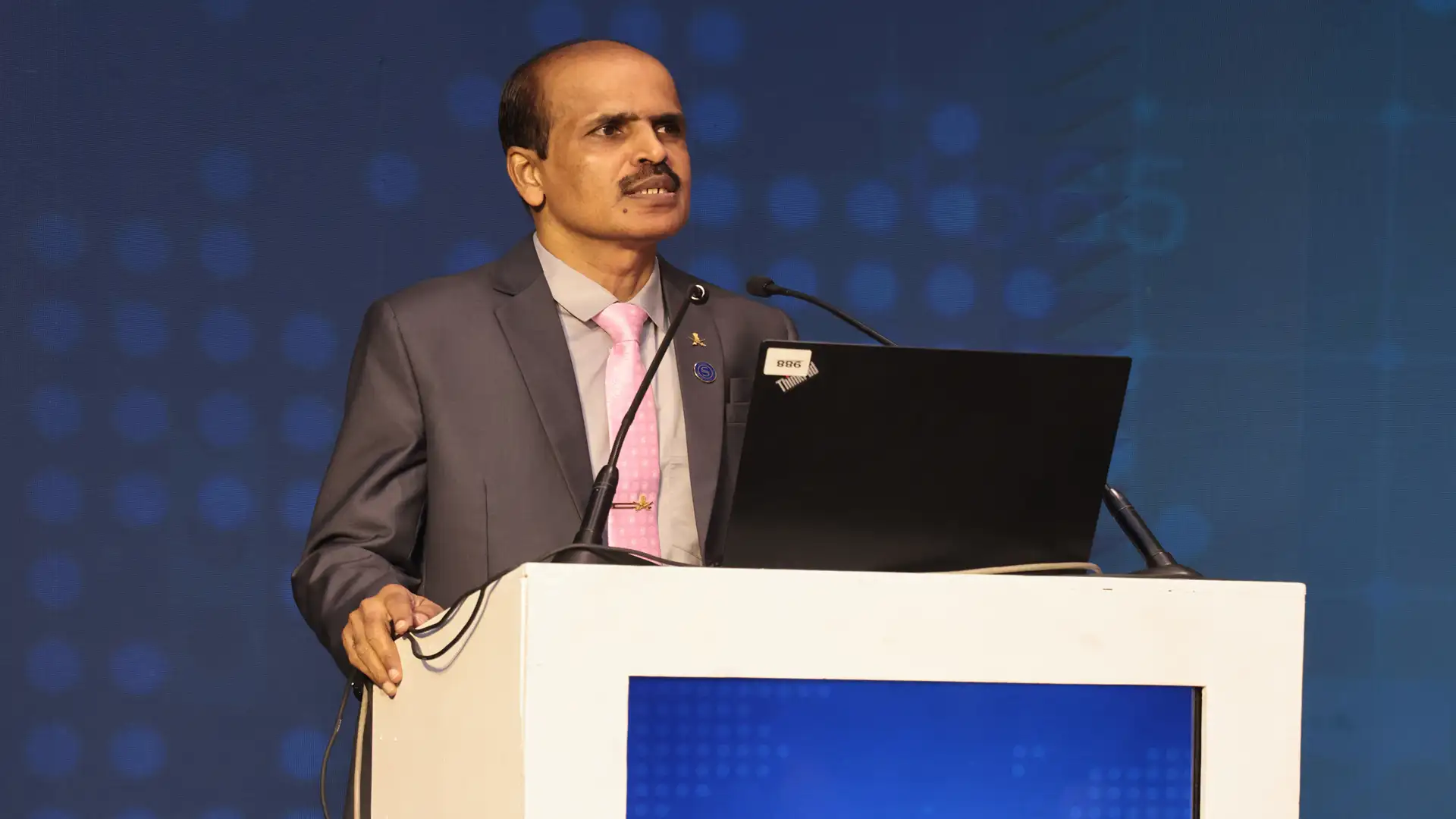
Lt Gen GAV Reddy, Synergia Foundation
The global environment is extremely competitive, with a heightened risk of interstate conflicts. This is likely to be further aggravated in future because of advances in technology, an expanding range of actors, difficult dynamics of deterrence, and weakeningof treaties and norms of acceptable international order.
The changing character of conflict with rapidly advancing technologies, including hypersonic and AI, are creating new enhanced weapons systems while offering a wider array of potential across military capabilities, including military infrastructure and cyber and computer networks. These technologies will give states a broader spectrum of coercive tools that fall below the level of traditional military conflict.The potential for cost savings and fewer highly trained expert staff to perform the same activity using advanced technologies is gaining momentum.
As a result, activities that used to be only within the reach of large governments or militaries are now accessible to smaller states and non-state actors. The increasing availability of advanced weapons systems and growing employment of hybrid and non-traditional tactics heighten the risk of miscalculation and escalation, possibly risking unintended escalation into direct inter-state conflict.Nations that lead in developing and deploying advanced technologies such as AI, directed energy, quantum and other emerging technologies will have a significant advantage in future conflicts.
Current technological trends offer numerous options ranging from being bewildering at times, with new dimensions – faster, elusive, disruptive, lethal and these may be game changers. Technological innovations will alter the character of levels of conflict in the coming years. The futuristic trend is the battlefield's hyper-speed of information access and processing, the contest for the electromagnetic spectrum, the ability to accurately anticipate adversary moves through automated means, and the AI-based decision support systems. The nations adapting the technologies will increasingly enjoy a capability lead. They will position their forces and the weapon platforms at the place they need to be, at the time they need to be, to gain domination in conflicts.
The implicit and dire need is more pronounced presently to craft a strategy to align the emerging technologies to future conflicts and warfighting concepts and doctrines.Firstly, we must identify the salient aspects of future conflicts, how different they will be, whether it will be more non-traditional, non-linear, non-sequential, and so on. Having identified the future conflict, scenarios and salient aspects, we have to analyse the technological impact, particularly of the advanced technologies. The next major challenge is to align these emerging technologies by utilising these technologies as a force multiplier for conflict resolution. Finally, we should not forget that advanced technology, however advanced it may be, is also vulnerable to adversarial actions.
The issueinterests’ numerous stakeholders because of the unprecedented and unpredictable changes happening across the globe in geopolitics, wherein the churn out is rapid and extremely dynamic. Nations must take note of this and frame the strategy for the armed forces to align/realign to meet the futuristic technological challenges and optimally leverage and further explore them for furtherance of conflict resolution.
Technological evolutions present opportunities for nations to create constructive transparency, facilitate new norms of behaviour and balance access to resources that keep those nations endowed with significant resources from punishing those without. The better we understand the potential opportunities the emerging technologies offer the nations, along with the likely future risks and threats, the better positioned we will be to chart a desired course by aligning the technologies to future conflicts.
Key Take Aways
Integrate and synchronise advanced technologies to meet the challenges of future conflicts.
Induce compliance of adversary by coercive deterrence
– with AI risk mitigation,
i
nformation warfare, cyber warfare, space-based assets and multi-domain warfare.
Indian defence industries must scale up indigenous capacity, create support infrastructure, optimise brain power and ease private partnerships.
Build a resilient ecosystem to proactively identify, monitor and counter a large scope of disruptive technologies, including cyber
.