
A TECH DETENTE IN THE MAKING?
The US-China talks on AI and other issues have been widely welcomed in a tense geopolitical standoff.
In the last week of April, a visit that received much media attention was made by U.S. Secretary of State Antony Blinken to Beijing. That the visit was substantial can be concluded from the list of whom he met- a veritable Who’s Who in the upper echelons of China’s hierarchy-President Xi Jinping, Director of the Chinese Communist Party (CCP) Central Foreign Affairs Commission and Foreign Minister Wang Yi, Minister of Public Security Wang Xiaohong, and Shanghai Party Secretary Chen Jining.
While the customary bland press statement at the end of the meeting covered a wide bucket list of items on the agenda, what made the visit especially interesting was the focus on the technological rivalry between the two tech giants. Both parties announced their intention to hold high-level talks on artificial intelligence (AI) within the "coming weeks."
The announcement marks a potential turning point in the often-tense relationship between the two global superpowers. The talks will probably focus on the risks and safety concerns surrounding advanced AI technologies if and when they occur.
This development represents a rare moment of cooperation amidst ongoing trade tensions and national security concerns.
The Geneva Talks
Subsequently, on 16 May, top American and Chinese experts met in Geneva to discuss the road map to ensure AI technologies do not become existential threats. If all goes well, these talks will pave the way for a more comprehensive discussion between the two powers on emerging technology issues that have consequences not only for them but the whole world, even those who are not even remotely involved in the rivalry.
The U.S., which for the last few years has been stonewalling Beijing from all technological access in the West, has lost sight of what the Chinese are capable of in this intervening period when scientific interaction was totally taboo. These talks could offer insight into how the Chinese leadership and their technocrats are visualising the fielding of AI, especially in the military domain. This is one area where Beijing has maintained watertight secrecy.
Both sides fully realise that if AI is allowed to rampage through military capabilities, very soon, a stage will be reached when it will become impossible to impose internationally acceptable limitations and regulations; the genie has to be somehow put back safely in the bottle now and a secure cap put before it is too late. However, the biggest current and present danger is deepfakes, which could play a dangerous role in American elections and disinformation campaigns that can further vitiate an already tense global geopolitical landscape. Paul Scharre, an AI expert at the Centre of New American Security, has been quoted as saying, “ It is vital for the U.S. and China to begin discussions on improving AI safety […] The stakes are high, and the consequences of AI-related accidents could be severe."
Shrinking Space for Consensus
Hidden from the public glare, moves have been afoot for some time to engage in substantial talks at the appropriate levels on major technology irritants. This was evident after the November 2023 San Francisco meeting between President Biden and General Secretary Xi Jinping. Mr Blinken's announcement indicates that the issue is being actively pursued at the functional level to arrive at some sort of a 'Tech Détente.'
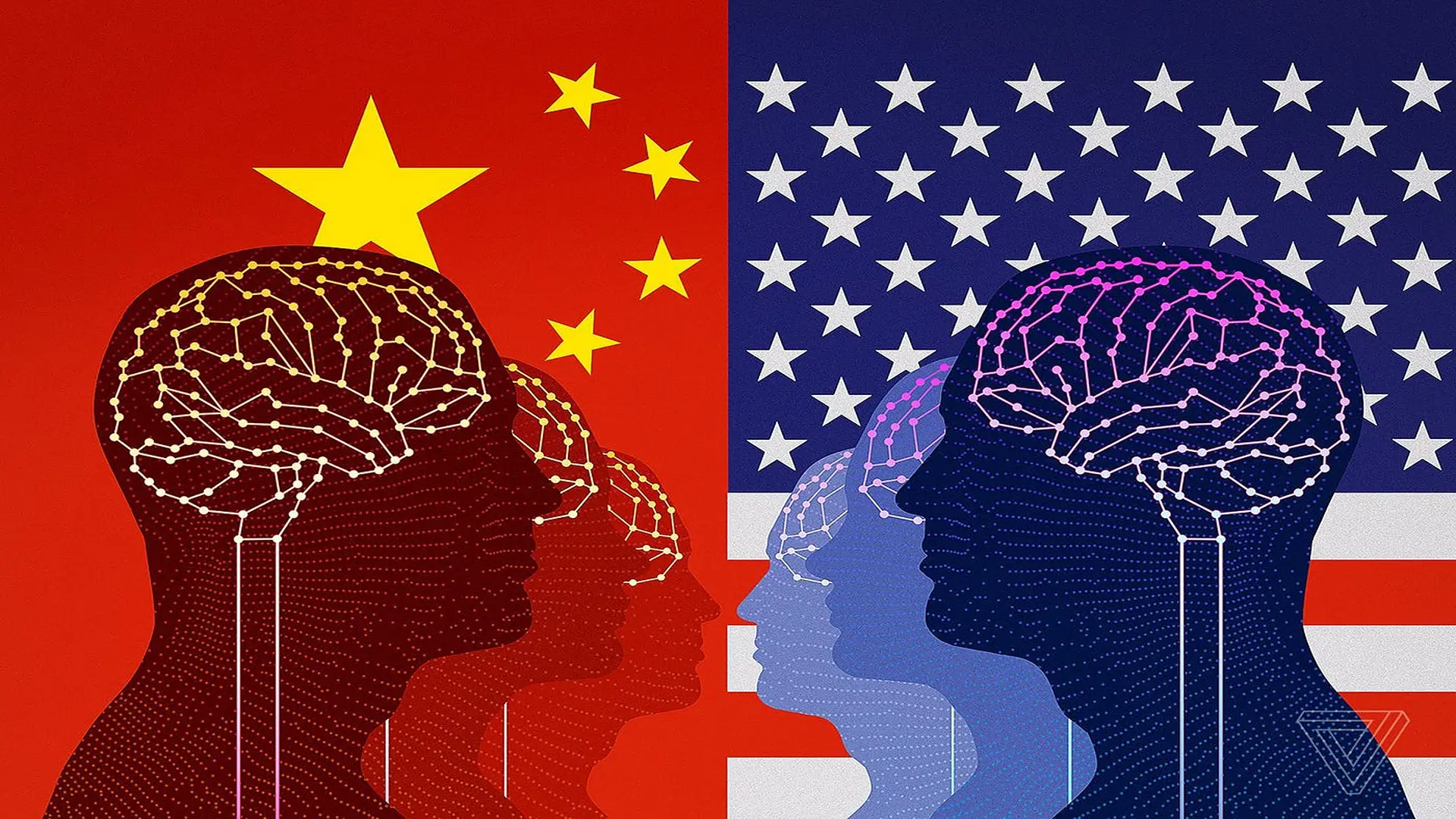
For almost a decade, the technological rivalry between the U.S. and China has been steadily becoming more strident and vocal, and it has done much to poison the international geopolitical environment. This is to be expected as emerging technologies will drive global primacy, as reflected in the growing significance of artificial intelligence in global affairs. Both powers recognise AI's profound implications on national security, economic vitality, and societal norms.
The talks, scheduled to commence in the coming weeks, are not just about technological exchange but are deeply rooted in the broader context of U.S.-China relations–trade tensions, military competition, and concerns over technological sovereignty and security. The dialogue aims to tackle the dual aspects of opportunity and threat presented by advanced AI technologies.
According to PwC, AI could contribute up to $15.7 trillion to the global economy by 2030, with $6.6 trillion likely from increased productivity and $9.1 trillion from consumption effects. The U.S. and China are poised to be the biggest beneficiaries of this growth, emphasising the strategic importance of AI in their economic agendas.
The Clash of Titans
China produces nearly half of the world's top AI researchers, significantly impacting the global AI landscape. This talent pool is pivotal as it underpins the country's ambitions to lead in AI innovation. Conversely, the U.S. hosts 38 per cent of top AI researchers working domestically, with a substantial proportion originally from China. This interdependence highlights the critical nature of collaboration and competition in AI development.
AI's integration into military systems raises significant strategic stability issues. The U.S. Department of Defence’s 2023 AI strategy emphasises developing AI for defence that is ethical, safe, and governed by law. Similarly, China's military modernisation includes integrating AI technologies to enhance its capabilities, underscoring the need for dialogue on mutual security concerns.
From a U.S. perspective, the AI talks are a strategic component of broader national security and technology competitiveness goals under the Biden administration. Engaging with China on AI governance aligns with efforts to safeguard American technological leadership while ensuring that AI development does not compromise global security.
For China, the dialogue serves as a platform to influence global norms and assert its status as a tech superpower. Participating in these talks allows China to negotiate on data security and the ethical use of AI, aligning with its objectives to be seen as a responsible major power while promoting its interests in technological autonomy.
These talks could potentially act as a buffer against escalating tensions in other areas of U.S.-China relations, such as trade disputes and military posturing in the Asia-Pacific. By finding common ground on AI governance, both nations have the opportunity to stabilise relations and build trust. This dialogue could serve as a precedent for cooperation on other critical emerging technologies, such as quantum computing and biotechnology.
The decision to hold AI talks reflects a delicate balancing act between competition and cooperation in U.S.-China relations. While both countries remain engaged in strategic rivalry across multiple domains, they also recognise the mutual benefits of cooperation in managing AI risks and ensuring its responsible deployment. The talks offer the U.S. and China an opportunity to establish common principles and guidelines for AI governance, thereby reducing uncertainty and enhancing stability in the global AI landscape.
At the same time, the AI talks are likely to be influenced by broader geopolitical dynamics and domestic considerations. Issues such as trade tensions, intellectual property rights, and human rights may impact the scope and outcome of the discussions. Moreover, both countries face pressure from domestic stakeholders, including industry groups, policymakers, and civil society organisations, which may shape their negotiating positions and priorities during the talks.
A word of caution would be appropriate at this juncture. Considering the deep-seated differences in AI governance approaches and strategic interests, a breakthrough should not be immediately expected. However, once the rival powers start talking substantially, the potential for divergent outcomes and limited progress in areas where the U.S. and China have conflicting priorities could pave the way for the future. Hopefully, it could lead to collaboration and shared successes in AI governance, research, and application at some future date!
Assessment
These talks are pivotal for developing a cooperative framework that ensures AI advancements contribute positively to society. This involves creating standards that maximise benefits while minimising risks related to national security, privacy, and ethical concerns.
By coming to the table, both nations demonstrate a strategic understanding of AI’s role in global power structures
and the willingness to
address potential points of conflict and competition
.
The rest of the world, caught in the middle, can only hope that whatever emerges from the talks will prevent a technological Cold War. As we saw from the last Cold War, there are no winners.