
LOOMING TARIFF WARS?
Will Trump trigger a tariff war that will wreak havoc on global trade?
By Suchitra
With the election battle cry of “Make America Great Again (MAGA)” reverberatingpowerfully across Trump's well-attended election rallies, the world should have no doubt where this was heading. Now that the election results are sealed, Trump has let no opportunity pass to make his intentions clear- it is America First, whatever it may cost! That this will have significant ramifications for global economic and trade dynamics would be an understatement.
Needless to say, with international trade centred around the huge American markets, the implications for global trade and economic stability are too dire even to contemplate. Globally, political leaders must sit down with their economic advisers to cobble a strategy and hammer together contingency plans for the imminent re-emergence of Trump’s trade policies, the first taste of which was felt in his first tenure.
Trump’s Logic
On his part, Mr Trump has been fairly open in letting the world know what he intends to do as part of his economic policy. The guiding principle is to revive domestic manufacturing and reduce the U.S. trade deficit through aggressive trade measures. These would take the now familiar line of General Tariffs with a proposed 10–20 per cent increase on all imports to the United States. It may be noted that the current average import tariff is less than 2 per cent. Just to put it in perspective, India imposes tariffs at the rate of 5.87 per cent to 18.3 per cent on average. It has been made amply clear that China will attract a special tariff of 60 per cent. If China and Russia can gang up on the U.S. along with their BRICS + partners to create an alternate currency to the dollar, then all BRICS members will face a 100 per cent tariff; in other words, forsake their lucrative trade with the U.S. "You can look for another sucker," says Trump.
In a recent opinion piece in the Financial Times, Robert Lighthizer, a key Trump advisor and former U.S. Trade Representative, reinforced these protectionist policies, emphasising the need to address trade imbalances. His historical advocacy against Japanese trade practices, dating back to his tenure under President Ronald Reagan, suggests continued scrutiny of countries like Japan enjoying decades of trade surpluses with the United States.
China in the Cross-Hairs
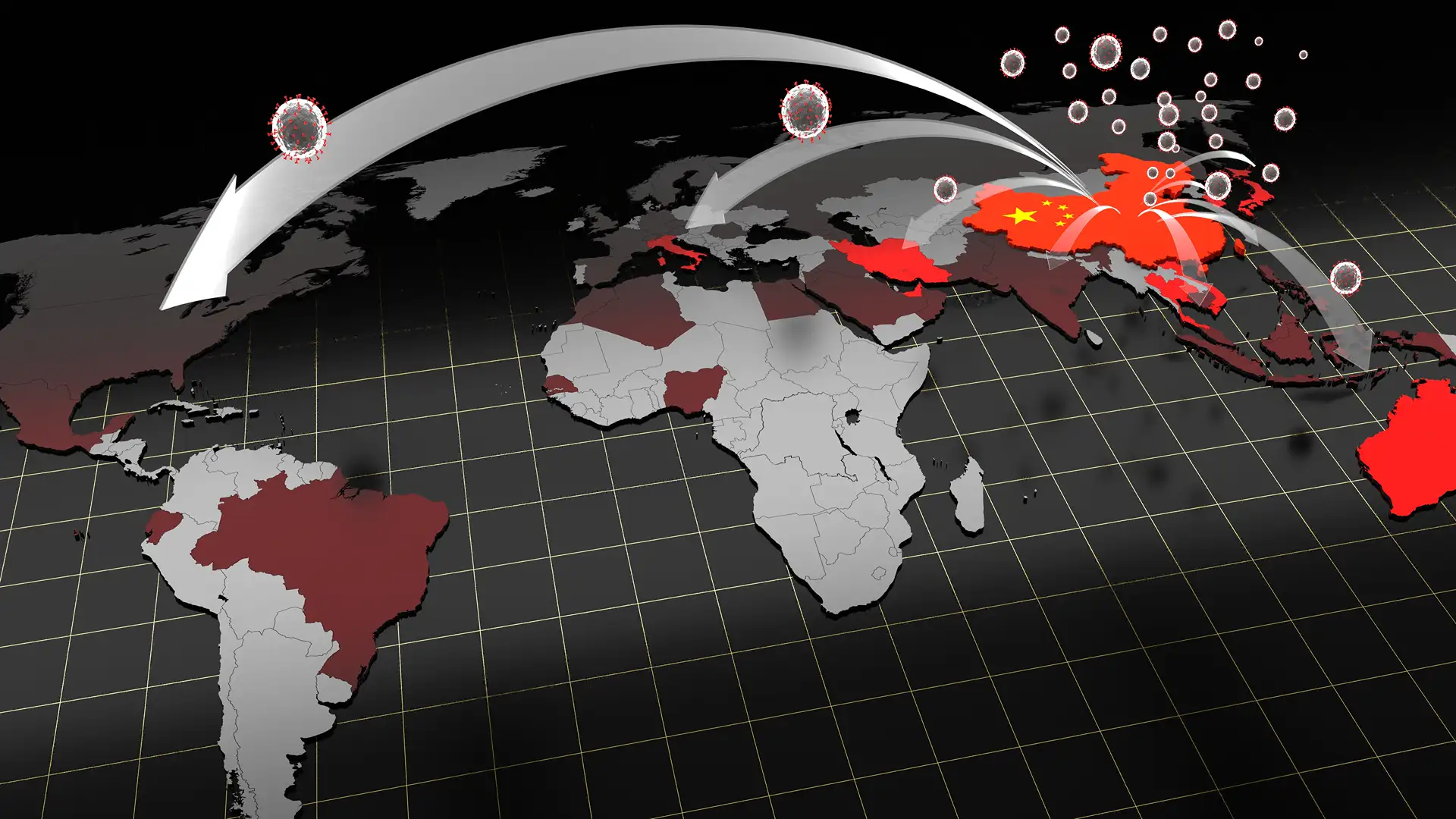
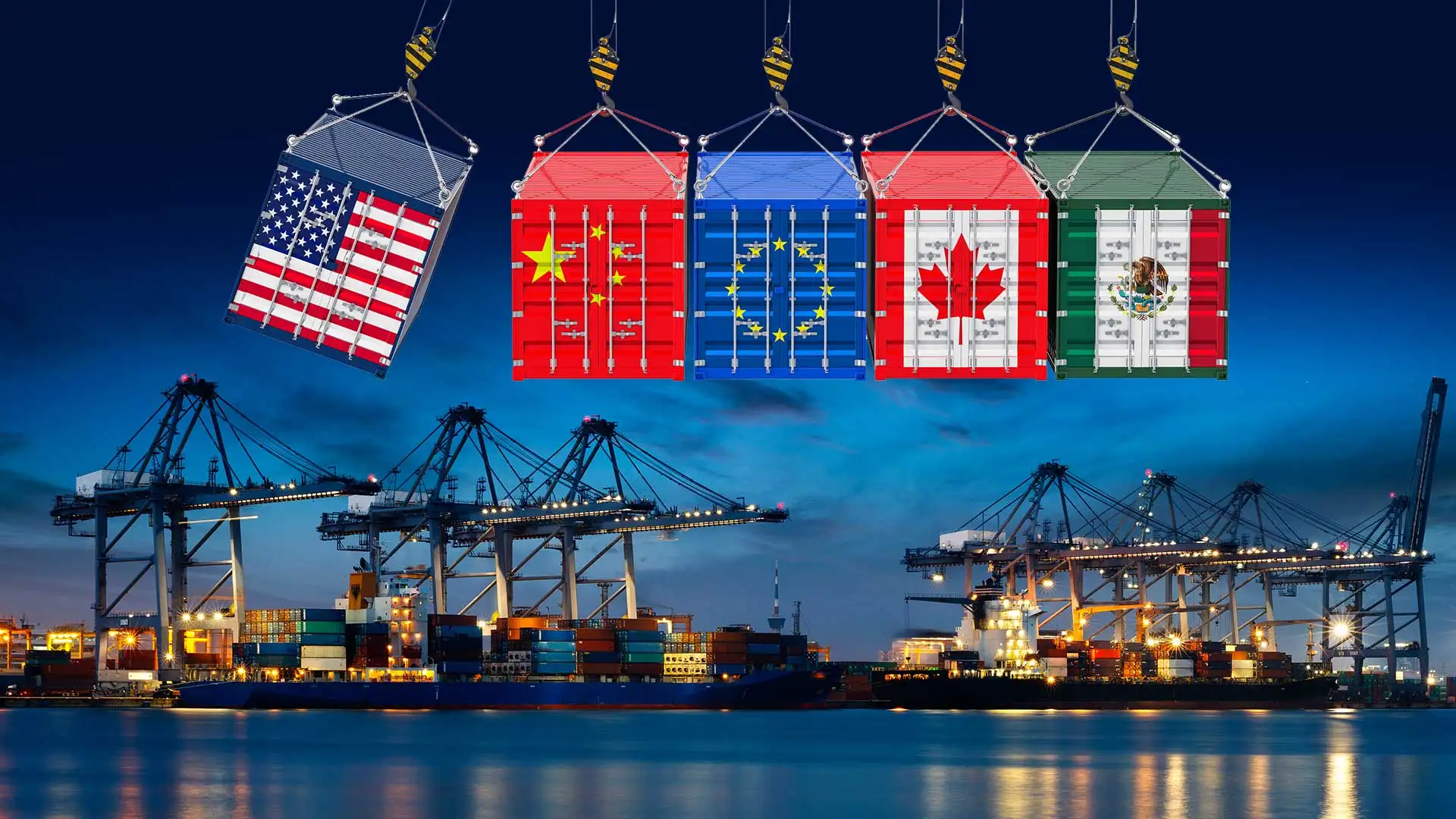
Analysts predict these tariffs could reduce Chinese exports to the U.S. by up to 85 per cent, potentially lowering China’s GDP growth by up to 1 percentage point in 2025.While Trump’s threats of tariffs on Chinese goods have made it to global headlines, the fact is that the U.S. is not alone in feeling threatened by Chinese trade practices. Canada has already imposed 100 per cent tariffs on Chinese electric vehicles (EVs), mirroring U.S. proposals to exclude Chinese software from vehicles. The European Commission's proposal to levy tariffs of up to 45per cent on Chinese EVs has sparked political discord, with opposition from Germany and Hungary but support from France, Italy, and Poland.In Latin America, Brazil, Chile, and Mexico raised tariffs on Chinese steel imports earlier this year.In Southeast Asia, Indonesia has threatened tariffs of up to 200 per cent on imports such as ceramics, textiles, and footwear, while Malaysia is reviewing anti-dumping measures on Chinese steel.
This could be the worst time for China to face a fresh set of economic challenges. Its real estate market, historically a key growth drive, saw a massive decline of 10.1 per cent (January to September 2024). Despite a surge in Chinese stock markets in late September, spurred by expectations of stimulative economic policies, concrete measures to revive consumer spending remain limited. Instead, export growth has provided a more reliable source of economic stability. Investment in manufacturing increased by 9.2 per cent in the first nine months of 2024 as producers shifted their focus to overseas markets amidst a sluggish domestic economy and shrinking opportunities in the American market.
EVs have been driving Chinese exports. In 2018, China exported approximately 1 million vehicles, a modest figure in the context of its overall trade. By 2024, exports surged to 5 million, solidifying China’s position as the world’s largest car exporter, largely due to its dominance in producing affordable EVs.However, the prospect of heightened U.S. tariffs, potentially reaching 60%, threatens to disrupt this growth. Such levies could effectively ban Chinese cars from American roads, echoing earlier U.S. proposals to exclude Chinese software from vehicles. This policy shift would significantly escalate trade tensions and likely prompt a robust retaliatory response from Beijing.
China’s economy is projected to grow by 4.9 per cent in the fourth quarter of 2024, slightly above earlier estimates, driven by strong export performance. Analysts anticipate that Chinese exports could reach a record $3.548 trillion this year, surpassing the previous high set in 2022. This surge is attributed, in part, to "panic stockpiling" by foreign buyers anticipating stricter U.S. trade policies under the Trump administration.
Despite this export strength, China's domestic demand remains tepid, weighed down by declining property values and rising unemployment. Chinese policymakers have ramped up fiscal and monetary stimulus to counteract these challenges, including potential cuts to the reserve requirement ratio (RRR) and key interest rates. Economists predict the People's Bank of China (PBOC) may lower the RRR by 25 to 50 basis points by year-end, with additional reductions possible in 2025.
The prospect of a renewed trade war under the Trump administration raises significant risks for China's economic trajectory. Analysts estimate that new U.S. tariffs could reduce China's GDP growth by 0.5 to 1 percentage point in 2025, adding to existing pressures from a prolonged property downturn and weak consumer confidence.
Chinese authorities may resort to yuan depreciation to mitigate the impact of heightened tariffs. This strategy would enhance the competitiveness of Chinese exports globally but could provoke further tensions with trading partners. Additionally, the Chinese government is expected to implement further pro-growth measures to cushion the economy against external shocks.
EU’s Response
Just before the U.S. election, data revealed that the U.S. trade deficit with the EU was set to hit a record high this year, fuelling Trump’s rhetoric.
The EU insists it is better equipped to handle the challenges a second Trump administration poses. Over the past years, it has strengthened its trade defence mechanisms in response to the unpredictability of U.S. policy. Bernd Lange, chair of the European Parliament's international trade committee, clarified the bloc's stance: "If the U.S. imposes unjustified tariffs on EU products, we are prepared and will react. If Trump proceeds with his tariff fantasies, we will bring him back to reality and defend ourselves."
According to senior officials and diplomats, the European Union is signalling readiness to respond swiftly and forcefully to any tariffs imposed by a second Trump administration. Their strategy aims to pressure the United States into negotiations despite the EU's initial approach being one of conciliation and cooperation.
In her congratulatory message to President Trump, European Commission President Ursula von der Leyen emphasised the importance of maintaining a robust transatlantic partnership. She appealed for continued collaboration, highlighting the millions of jobs and billions in trade and investment dependent on stable EU–U.S. economic relations. "Let us work together on a transatlantic partnership that continues to deliver for our citizens," she urged.
However, the EU leadership remains wary. Memories of the 2018 tariffs—25 per cent on steel and 10 per cent on aluminium—imposed by the Trump administration under the guise of national security are still fresh. Analysts fear the second term could bring even greater challenges, particularly given the EU’s increased reliance on U.S. liquefied natural gas (LNG) amid the ongoing energy crisis and its dependence on Washington for security as Russia’s war in Ukraine persists into its third winter.
David Kleimann, a senior trade expert at the ODI think tank, warned of a likely escalation in U.S. tactics, "We should prepare for a much more aggressive tone and possibly coercive conduct in transatlantic commercial diplomatic relations."
These apprehensions were evident in French President Emmanuel Macron's prompt outreach to German Chancellor Olaf Scholz to reinforce a united European front. Macron emphasised the need for a stronger, more sovereign Europe committed to cooperation with the U.S. while protecting its interests. "We will work towards a more united, stronger, more sovereign Europe in this new context by cooperating with the United States and defending our interests and values," Macron stated.
Germany, a frequent target of Trump’s criticism over its trade surplus and automotive exports, faces particular scrutiny.Germany's industrial leaders voiced strong opposition to the potential tariffs. The Federation of German Industry (BDI) warned of severe economic repercussions: "Transatlantic relations are facing an epochal change. Tariffs would massively damage not only Germany and the EU but also the U.S. economy."
Economic forecasts underscore the gravity of the situation. The Kiel Institute for the World Economy predicts that a renewed trade war could reduce EU GDP by up to 0.5 per cent and German output by 3.2 per cent. Separately, the German Economic Institute estimates that Germany could face €180 billion in economic losses over four years of a Trump presidency.
Despite these threats, EU leaders see potential opportunities to strengthen their position in trade, defence, and on relations with China. Both Trump and von der Leyen share a hawkish stance on China, potentially paving the way for cooperation in addressing the influx of low-cost Chinese imports.
The European steel industry, which was at the centre of the 2018 trade conflict, has sounded the alarm over worsening conditions. Karl Tachelet of Eurofer, representing European steelmakers, noted: "The situation these days is much worse. Overcapacity has grown significantly, far beyond China."
In the near term, resolving the ongoing U.S.–EU dispute over steel and aluminium tariffs will be critical. The truce on EU retaliatory tariffs is set to expire in March 2025, only a few months into Trump's second term. The EU hopes this looming deadline will incentivise the U.S. to return to the negotiating table.
Global Backlash
The potential escalation of U.S.–China trade tensions could have far-reaching consequences. While Chinese exports to the U.S. may decline sharply, the global market could face a flood of cheaper Chinese goods, intensifying competition and triggering trade restrictions elsewhere.China’s policymakers may devalue the yuan to shield domestic manufacturers, thereby lowering the cost of Chinese goods worldwide. This could intensify competitive pressures on other economies, particularly those already grappling with the dilemma of accepting cheap Chinese goods and investments versus protecting domestic industries.
While the trade policies of the re-elected Trump administration are clear in intent, two critical factors remain uncertain. First is the response from the global trading partner of the U.S., with a particular focus on the European Union (EU) and Japan. Second is the fluctuations in the U.S. Dollar: The global currency markets will play a pivotal role in shaping the actual impact of tariffs on trade dynamics.
Indications from the European Union suggest that Brussels is prepared to respond swiftly and robustly to any U.S. tariffs. The EU's strategy appears to hinge on adopting a tough negotiating posture, which its leadership believes aligns with President Trump’s preference for dealing with firm counterparts. Similarly, Japan’s reaction will depend on the resolve of its new government, but a comparable response seems likely.
Should other nations across Asia, Europe, and beyond adopt a similar retaliatory stance, the Trump tariffs may have the unintended effect of reducing U.S. exports as well as imports. This scenario could increase trade between non-U.S. countries, particularly within established blocs like the European Union and the Comprehensive and Progressive Agreement for Trans-Pacific Partnership (CPTPP), where tariffs remain low. Indeed, these blocs may seize the opportunity to further liberalise trade among themselves, counteracting the anticipated decline in U.S.-bound exports.
Although the onset of a trade war appears likely, its trajectory remains uncertain. Negotiations may eventually mitigate some of the fallout, particularly for key U.S. allies like Japan, which plays a crucial role in America’s Indo-Pacific strategy. Nevertheless, businesses should prepare for significant disruptions in cross-border trade with the United States, whether as exporters or importers.
The anticipated tariff increases signal a potential period of deglobalisation in U.S. trade relations. However, trade flows between other nations may remain strong or even expand, creating opportunities for businesses to pivot towards more open markets.
The U.S. dollar's response to tariff imposition will significantly influence trade outcomes. A sharp appreciation of the dollar could offset or negate the tariffs’ intended impact by reducing the relative cost of imports into the U.S. Conversely, a depreciation—potentially triggered by fears of a U.S. recession or financial instability—would amplify the challenges for exporters targeting the American market.
The United States has recently outperformed other advanced economies, making it a desirable export destination. However, this trend is poised to shift in 2025, with economic performance potentially faltering due to trade disruptions.While Trump’s administration has hinted at a 60 per cent tariff on Chinese goods, many economists argue that such extreme measures could exacerbate inflationary pressures within the United States, making their immediate implementation unlikely.
Key Takeaways
Purely from the American point of view, increasing revenues is critical for the debt-ridden U.S. to revive the American Dream, Trump needs dollars, and plenty of them within a short period. With the U.S. fiscal deficit reaching 8 per cent of GDP in 2024, additional tariff revenue may be essential to offset corporate tax cuts and increased defence spending. These measures sit well with Trump's overarching "America First" agenda, prioritising domestic economic revitalisation and strengthening national security.
These policy directions were anticipated in case Trump was voted back to power and should not surprise anyone. Mr
Trump
has
consistently emphasised his commitment to revitalising domestic manufacturing and addressing the U.S. trade deficit through assertive trade policies.
These will be a natural follow up of the
protectionist approach established during Trump’s first term, carrying far-reaching consequences for global trade and economic stability.
While there is a sense of smugness in India that perhaps India would not be as badly impacted as the EU or China, it would be too premature to come to such a conclusion. Mr Trump is known for his transactional relationship as an individual and a statesman, and his fickle nature can prove any analyst wrong. The key for Indian policymakers would be to plan for the worst and hope for the best.