
A DANGEROUS VACUUM
The violence-torn Sahel region is going from bad to worse as international powers lose interest.

Source: https://www.google.com/imgres?q=sahel%20region%20conflict&imgurl=https%3A%2F%2Fcarnegieendowment.org%2Fstatic%2Fmedia%2Fimages%2FSahel_Map-1.png&imgrefurl=https%3A%2F%2Fcarnegieendowment.org%2F2023%2F02%2F28%2Frussia-s-growing-footprint-in-africa-s-sahel-region-pub-89135&docid=QE9dBhiWPwk71M&tbnid=83Mg5waqq_B_zM&vet=12ahUKEwitwpOx_oCKAxUWka8BHdWwDOsQM3oECCEQAA..i&w=2084&h=1039&hcb=2&ved=2ahUKEwitwpOx_oCKAxUWka8BHdWwDOsQM3oECCEQAA
The Sahel region refers to the vast area stretching from Mauritania's Atlantic coast all the way to Eritrea. Culturally and historically, the Sahel is a shoreline between the Middle East and sub-Saharan Africa. This made it the site of interaction between the Arabic, Islamic and nomadic cultures from the north and the indigenous cultures from the south. Although herders and farmers routinely competed over scarce resources, outright violence was restrained through customary arrangements and swift mediation from local leaders.
Habited by fierce, warlike tribes, since gaining independence from colonial powers in the 1960s, the Sahel has been wreaked by violence of the most extreme kind. The successors to the colonial powers were a sad collection of weak and illegitimate juntas, which, combined with economic decline, climate change, and deep-rooted corruption, made the Sahel an ideal breading ground for conflict, violence and crime against humanity. Thanks to extremist groups, the violence has transcended weakly protected national borders, posing significant challenges to countries both in and outside the region. Of greater concern to Europe is the reality that the Sahel remains a principal transit point for illegal migrants flowing from sub-Saharan Africa to northern coastal states and on to Europe.
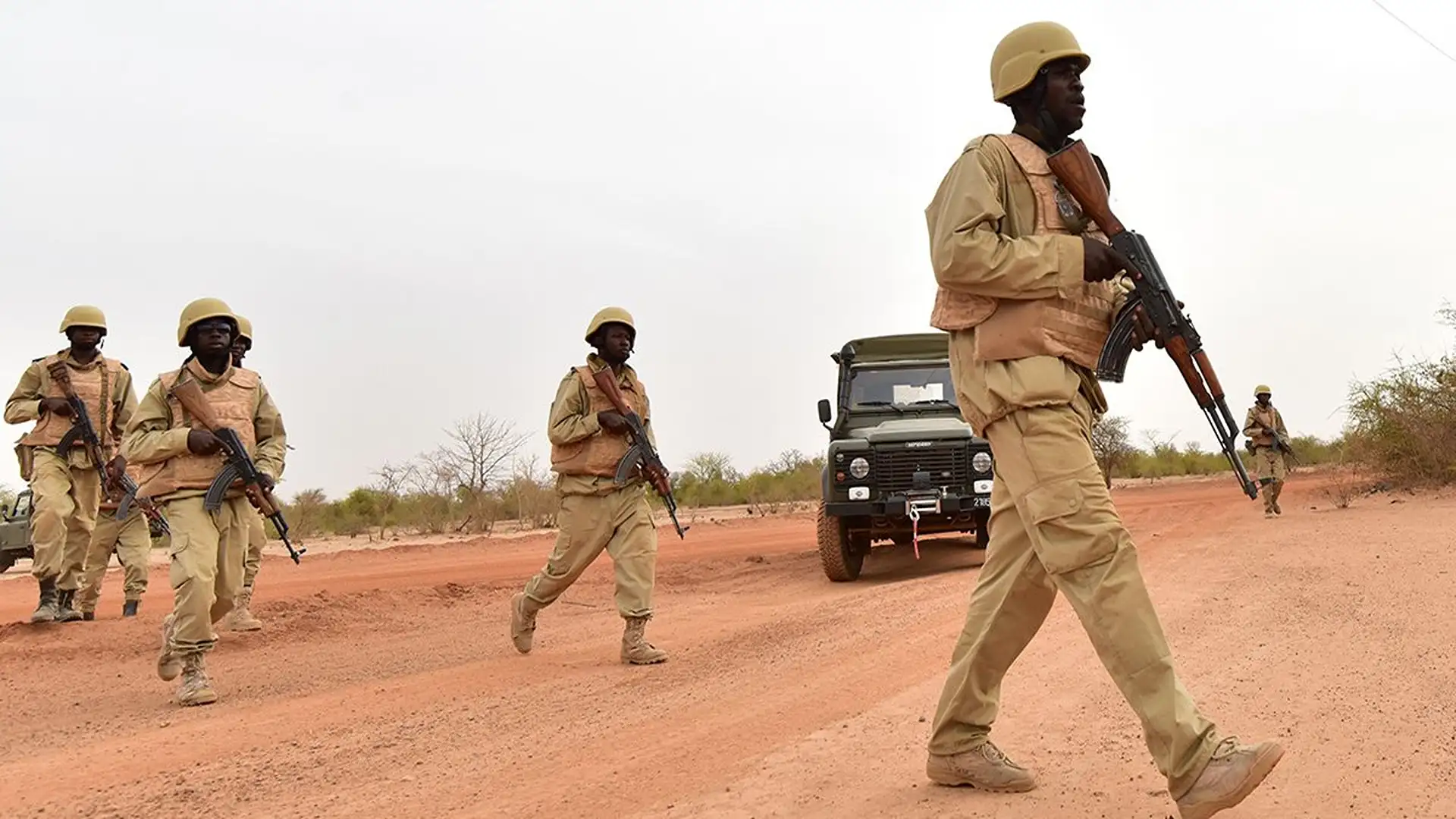
The past decade in the region has been marked by the proliferation of Jihadist groups that are closely linked to organisations like Al-Qaeda and the Islamic State, worsening an already dire humanitarian crisis. Nations such as Mali, Burkina Faso and Niger have been severely impacted, with thousands of lives lost and millions forcibly displaced.
Sahel countries always figure at the top of the list of Fragile States, with Chad and Mali heading the list. Coups are routine; between themselves, Chad, Burkina Faso, Mali, Mauritania, and Niger have the dubious distinction of living through twenty-five successful coups d’état between 1960 and 2022. Beginning in 2021, the region was infected by a coup epidemic starting from Mali and spreading to Burkina Faso, Chad and Niger.
Growing Western Disenchantment
Alarmed by the growing influence of extremist elements, the West turned its attention to the Sahel. France, which considers this region its turf due to colonial connections, was the most deeply involved. As jihadist violence spread further in Mali and to neighbouring Burkina Faso and Niger, France strengthened its presence as the main security partner of the Sahel nations that it once colonised. Since 2014, it has been militarily involved through Operation Barkhane to stop the spread of extremist groups.
The U.S. also contributed to the broader international effort to maintain regional stability by providing logistical and intelligence support to the French.
Other NATO members, like Germany, were also pulled in to contribute military resources to train and upskill local militaries. Theoretically, the entire effort was under the UN Peacekeeping Department to give it legal cover.
In a parallel move to get the UN into the act, the United Nations Multidimensional Integrated Stabilization Mission in Mali (MINUSMA) was established in 2013.Mali is a critical nation in the Sahel region, and its stabilisation was the key to restoring peace in the entire region and keeping extremist elements at bay. After having acquired a reputation of being the “deadliest peacekeeping mission of all times" (175 peacekeepers died in a decade), the mission was shut down in December 2023
France, finding the task too daunting and beyond its limited resources, spread the involvement. In 2017, it convinced the Group of Five Countries for the Sahel (Burkina Faso, Chad, Mali, Mauritania and Niger) to come together in the G5 Sahel Force. It was a five-thousand-troop-strong counterterrorism force, armed and trained by Western militaries, aimed at fighting militant groups with an expanded mandate to cross borders in the Sahel region.
After over a decade of involvement, the West has been increasingly fatigued by these prolonged international conflicts. As they reduced their footprint, there has been a stark shift of power dynamics in the region. Military juntas that ousted elected governments in Mali, Burkina Faso and Niger have bolstered their popularity by kicking out French troops that were helping them fight jihadists.
Yet, over the last three years, military juntas have toppled governments aligned with Paris and kicked out French troops. Juntas in all three countries, Mali, Burkina Faso, and Niger, that ousted the elected governments went on to capitalise on growing popular discontent with France, stirred on by Russian disinformation campaigns targeting French presence in the region.
Russia's involvement has magnified as Western presence fades out in the region.
The Russian Entry
Russia's relatively recent involvement in the region clearly signifies a new chapter in the increasingly volatile landscape of the Sahara. The most significant fallout has been in the troubled nations of Central Africa and the Sahel, the semiarid strip south of the Sahara.
In the face of global isolation, Russia has sought to bolster its influence in the Sahel region. It is drawn by lucrative natural resources like gold and diamond mines and oil fields and a bid to gain leverage over Western powers on the African continent. For example, in Niger, Russia is trying to gain concessions that would block French access to its lucrative uranium mines. France is highly dependent on nuclear power, which accounts for almost two-thirds of its energy. It imports around one-fifth of its uranium from Niger (Synergia Foundation, February 24, 2024).
Russia has been aiding local administrations and forging new ties with the governing military regimes, which the West has shunned. (Synergia Foundation, August 31, 2024) Russia is now the main security partner.
However, it has not been an easy road for the Russians either. In July 2023, media channels played out a story of a serious setback to Russian efforts to militarily fill the vacuum in the Sahel regions of Africa. Reportedly, armed jihadists from the Tuareg tribe of Mali ambushed government troops supported by the Russian private military contractor (PMC) Wagner (renamed the Africa Corps). The rebels claimed to have killed over 50 Russians, and an amateur video showing dead white soldiers went viral. An unknown number of Russians were captured and shown on video by the Al Qaeda-affiliated rebels. The Malian government played down the event, while the Russian PMC typically declined to release any figures of dead / captured operatives.
A Dangerous Neighbourhood
The patchwork of countries forming the Sahel shares one thing in common: fragile economy, stark poverty and high levels of violence with no space for the rule of law.
Burkina Faso: It faces escalating violence as it grapples with a major conflict akin to a civil war. The army’s ground offensive supported by drones and helicopters has been unable to curb militants. The country faces unprecedented violence, witnessed in the recent 2024 Barsalogho attack, wherein Al Qaida-linked Jihadists killed up to 200 soldiers and civilians near Barsologho, a town in Burkina Faso.
Mali: An offensive led by the Malian military and the Wagner Group (now rebranded as Africa Corps) witnessed Russian mercenaries substantially helping the Malian armed forces to achieve strategic victories such as capturing rebel-controlled areas. Wagner Group elements were involved in civilian massacres, destroying infrastructure and looting property, as well as causing mass displacement. Militant groups have exploited the vacuum left by France’s departure and the end of the UN mission. They have intensified attacks, targeting ethnic militias, and struck alliances with former rebel groups and local communities.
Niger: Niger’s security has deteriorated since the military junta ousted the president in July 2023. IS Sahel has shifted its operational focus to Niger, resulting in more attacks and casualties. Along with escalated militant activity and shifted alliances, the arrival of Russian paramilitary forces has further contributed to instability.
Jihadist Insurgency
The jihadist insurgency is at the centre of the Sahel crisis, posing a considerable challenge to security and stability.
The central Sahel states of Burkina Faso, Mali, and Niger are under military juntas and engaged in a decade-long jihadist insurgency spearheaded by al-Quaeda’s Sahelian branch Jama’at Nusrat al-Islam wal-Muslimin (JNIM) and the Islamic State Sahel Province (IS Sahel).
In 2023, the number of people killed by political violence doubled in Burkina Faso, hitting the second highest in West Africa. Across the central Sahel, deaths from political conflict increased by 38 per cent and civilian deaths by over 18 per cent (ACLED, January 17, 2024). According to the 2024 Global Terrorism Index, Burkina Faso, Mali, and Niger are among the ten countries in the world most affected by terrorism. Recent attacks by an offshoot of the JNIM have displayed improved planning, execution, and capabilities to counter the Malian armed forces.

Source: https://www.google.com/imgres?q=sahel%20region%20conflict&imgurl=https%3A%2F%2Fwww.economist.com%2Fcontent-assets%2Fimages%2F20231118_WOF078.png&imgrefurl=https%3A%2F%2Fwww.economist.com%2Fthe-world-ahead%2F2023%2F11%2F13%2Fits-going-to-get-grimmer-in-the-sahel&docid=JS-9-iRmf1zC7M&tbnid=SHydsMrwQqVcmM&vet=12ahUKEwitwpOx_oCKAxUWka8BHdWwDOsQM3oECFoQAA..i&w=1280&h=1105&hcb=2&ved=2ahUKEwitwpOx_oCKAxUWka8BHdWwDOsQM3oECFoQAA
The coups of 2020-2023 have worsened Sahel security. The juntas failed to reverse growing insecurity; data in Mali and Burkina Faso strongly suggests that coups worsened the growing insecurity (OECD working paper, May 1, 2024).Insecurity, corruption, and economic stagnation created a conducive environment for the coups.
Increasing violence and forced displacement are causes for concern in the Sahel. What is particularly worrying is that violence against civilians by both Islamic militant groups and security forces has increased in Burkina Faso and Mali.
Prevalent attacks along Burkina Faso’s southern borders by different JNIM-affiliated groups have added to concerns about the junta’s strategy and the spillover of instability into neighbouring countries.
Key Takeaways
The region seems to be witnessing a new phase as the West fades out of the area and Russia strengthens its presence.
The myopic vision of its ruling elites, coupled with their greed and the violent extremist beliefs of the
opposition, leave
this region with little hope for the future, which looks bleak at best
unless the region's governments prioritise policies and programs that address
key areas like peace and stability, the
underlying
impediment to development
.
To put it mildly, the region is facing the ‘perfect storm’-
the combined impact of climate change and desertification, warfare between herders and agriculturalists, the involvement of Jihadist Islamic forces, the
post
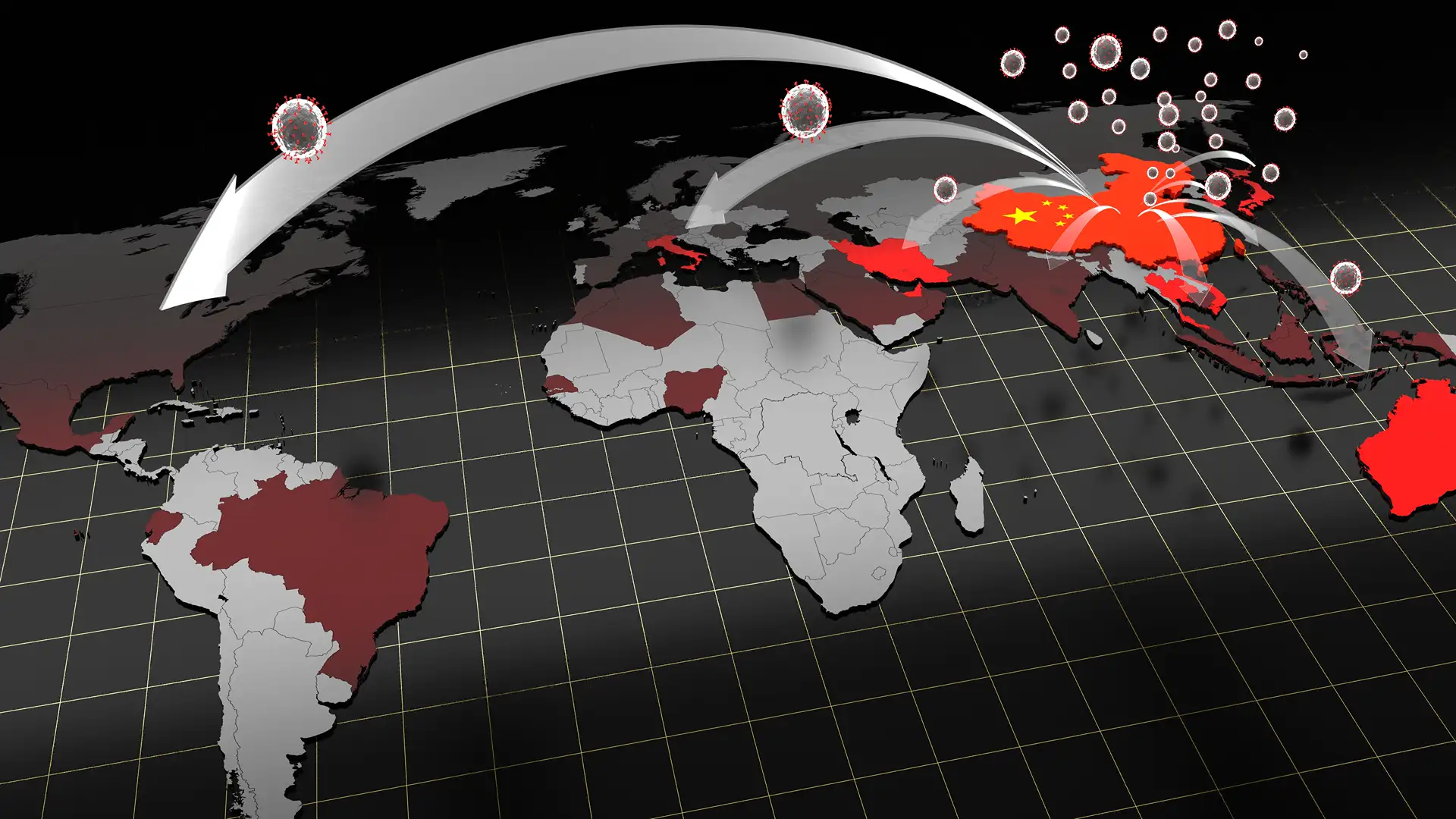
Covid-19
impact
, and the
Russian involvement
, all in a continent with so many corrupt and incompetent regimes
.
Caught up with Ukraine, Gaza, Trump's election win, etc, the world has no time for Sahel. It is a ticking human
itarian
bomb with 11 states where jihadists were in open warfare against the rulers. All the nations bordering on these lands have a serious problem with handling the 30 million refugees in Africa. In the coming decades, many more refugees will inevitably try to flee to Europe.
|
The security situation in the Sahel continued to be marked by terrorism and violent extremist groups frequently targeting border areas, in particular the Liptako– Gourma region in the tri-border area of Burkina Faso, Mali and Niger. Since the beginning of 2023, the situation has deteriorated further with an upsurge in clashes between the Islamic State in the Greater Sahara and Jama'at Nusrat al-Islam wal-Muslimin as they vie to extend their respective areas of influence and control major supply routes. In Burkina Faso, the number of civilian deaths reported in February reached its highest level in recent years as a result of offensives by Islamist militant groups. The withdrawal of international forces from the territory of Mali and the cessation of joint operations by the Joint Force have left a security void that violent extremist groups have exploited, in particular in the Liptako-Gourma tri-border area. These events have shown the need for a multidimensional response based on increased cooperation among Sahelian countries with the support of their regional and international partners to address the common challenge of violent extremism. The transnational nature of the challenges and the actors fuelling insecurity in the Sahel perforce call for regional cooperation. Martha Ama Akyaa Pobee, Assistant Secretary-General for Africa in the Departments of Political and Peacebuilding Affairs and Peace Operations (UN peace operations official |
References
https://www.oecd.org/en/publications/military-coups-jihadism-and-insecurity-in-the-central-sahel_522f69f1-en.html
https://www.imf.org/en/Publications/fandd/issues/2024/09/the-sahels-intertwined-challenges-yabi
https://aspeniaonline.it/instability-in-the-sahel-region-and-security-concerns-in-burkina-faso/
https://www.synergiafoundation.org/insights/analyses-assessments/sahel-showdown
https://www.synergiafoundation.org/insights/analyses-assessments/wagner-20-what-expect
https://www.clingendael.org/publication/twilight-french-influence-sahel
https://www.ifri.org/en/memos/after-failure-sahel-rethinking-french-policy-africa
https://www.synergiafoundation.org/insights/analyses-assessments/wagner-20-what-expect
https://acleddata.com/conflict-watchlist-2024/sahel/
#Africa #Sahel #Conflict #Terrorism #Security #Armedconflict #Insights