
The geopolitical environment has been shaping the geostrategic surroundings in South Asia.
Peace, nonviolence, and democracy often gain traction during periods of unrest or transition. Modern challenges such as geopolitical tensions, human rights abuses, and social inequalities provide a critical backdrop for promoting these values.
Power Games in South Asia
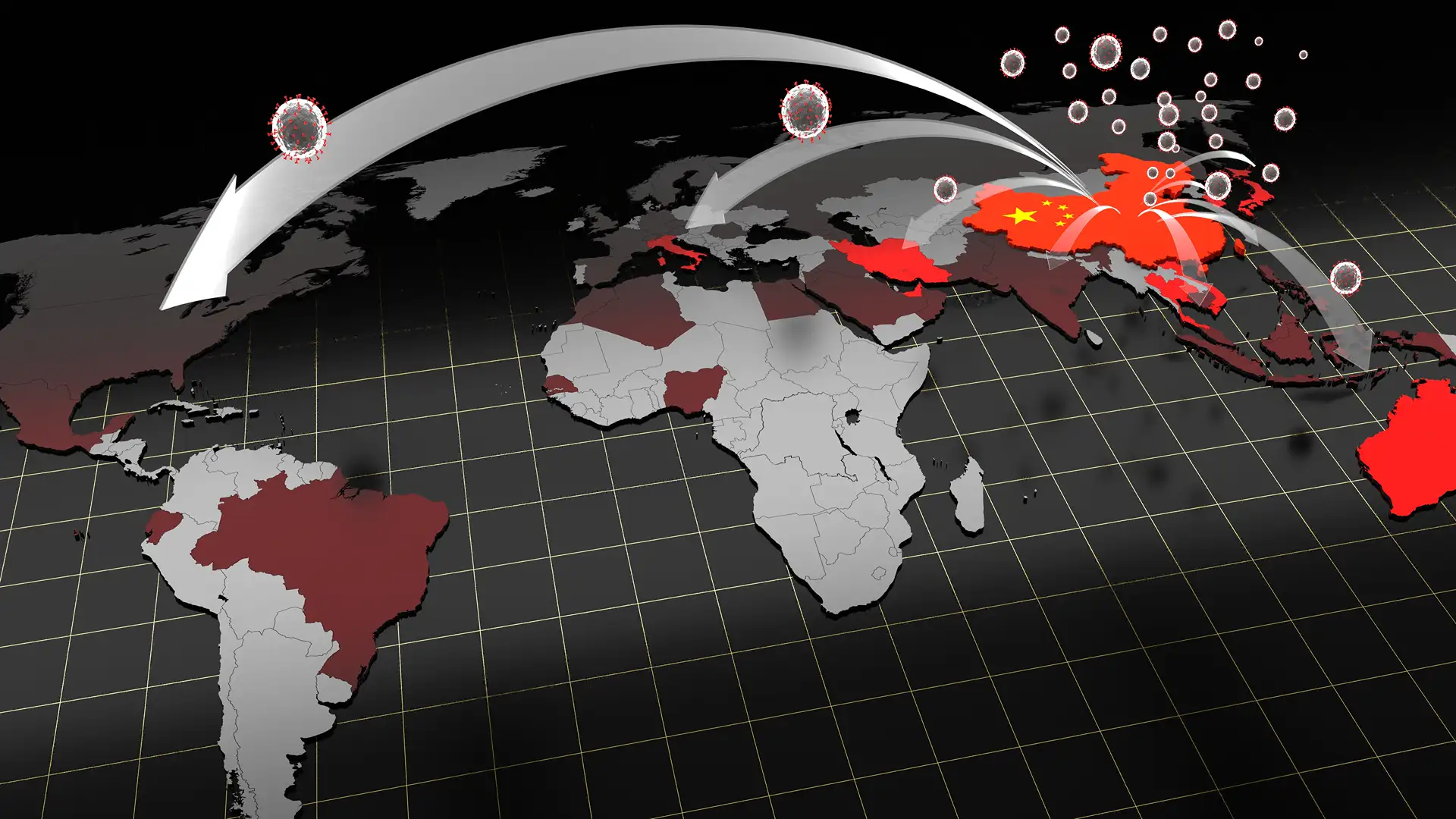
The triangular power projections in South Asia have been very prominent. The geopolitical environment has been shaping the geostrategic surroundings in South Asia. The United States, which started pivoting to the Asia Pacific in 2011, renamed the Asia Pacific into the Indo-Pacific region in 2013. It reflects the challenges and changes in economic security behaviour and diplomatic institutions. The 2022 U.S. National Security Strategy states that China is the only competitor intending to reshape the international order and, increasingly, the economic, diplomatic, military and technological power to do it. Initiatives like the Belt and Road Initiative (2013) and the Asia Infrastructure Investment Bank (2016) have expanded China's global reach, particularly in developing nations, strengthening its influence in the Global South. By promoting infrastructure development and investment in these regions, China aims to create a multipolar world, challenging the dominance of Western-led institutions.
India entered the global political realm in 2014 with the Modi One, also known as the Modi Doctrine, which has three pillars. First, improving relationships with immediate neighbours would be a priority, as would peace and tranquillity in South Asia. Second, para-diplomacy would be introduced, allowing each state and city to forge special relationships with countries.The third is bilateral trade, which emphasises the world's powers, particularly the P5s.
Geopolitical Disruptions and South Asia
The last three years have been very fluid. In three years, there have been three theatres. The Russian invasion of Ukraine in 2022, the Israel-Gaza crisis in 2023, and the Red Sea crisis beginning in October 2023 have all significantly disrupted global trade and supply chains, with strategic implications across key regions. The Belt and Road Initiative also plays an important part in shaping the geostrategic environment of South Asia.
Meanwhile, geopolitical dynamics in South Asia are evolving rapidly. With six of the nine nations bordering China—three landlocked and three with strategic coastlines—South Asia finds itself at the crossroads of major global shifts. Myanmar is pivotal in expanding the regional outlook, contributing to the geopolitical complexity.
Between 2021 and 2024, South Asia faced profound political, economic, and social disturbances driven by internal conflicts, external pressures from China's influence, and regional security needs. As global crises unfold, the Indo-Pacific region and South Asia emerge as critical arenas of geopolitical competition and economic realignments.
Nine countries experienced six major strategic occurrences. The United States and its allies left Afghanistan, leaving it to the Taliban.In February 2021, the Myanmar military overthrew the democratically elected government. In May 2022, Sri Lanka had an economic crisis followed by political and social instability. Pakistan's political unrest led to the economic crisis in March 2022, the Maldives, and the April 23 elections, and the proceeding process led to “India being out.” Despite this, India is prepared to offer the Maldives emergency financial support to address its financial challenges. Thus, we can see the trends and risks of Maldives falling into another economic trap. Bangladesh's political upheavals in August 2024 have both domestic and geopolitical connotations.
These six happenings have occurred within varied strategic environments-electoral system (Maldives, Pakistan, Bangladesh), economic system (Sri Lanka, Maldives and Pakistan), and a military system (Afghanistan and Myanmar). We see four types of political system in South Asia-constitutional monarchy, which goes hand in hand with democracy in Bhutan, rigid fundamental rule in Afghanistan, a military junta in Myanmar and a presidential system in Maldives. The rest have parliamentary democracy systems.
Great powers influence national politics. Political parties, in turn, adopt these external influences, taking up ideological policies that reflect the agendas of the powers with which they are aligned. Conflicts arise in this environment, shifting from conventional military confrontations to hybrid forms, including cyber warfare, disinformation campaigns, and economic coercion, as great powers seek to achieve their goals indirectly.
Polarisation, faith, belief, democratic values, and radicalisation are occurring rapidly, and South Asia cannot be an exception. This is linked to the risks compelling countries to take sides. There are two global visions that nations must choose from. One is to bring back a better world led by the United States. The other is the global, shared future led by China.
Climate Change
Let us not ignore that South Asia would be one of the regions worst impacted by Climate Change.
Climate change exacerbates the scarcity of essential natural resources like water, arable land, and energy. As temperatures rise, droughts intensify, and crop yields become unpredictable, competition for these dwindling resources can lead to conflict, particularly in volatile regions. This scarcity could trigger "resource wars," where nations or groups vie for control over limited freshwater supplies, food, or energy, potentially destabilising entire regions.
The India-Nepal Dynamics
Nepal and India relationship holds significant importance in the broader context of South Asia due to historical, cultural, and geopolitical linkages. As India is Nepal's largest trade partner and a key regional power, its influence extends beyond bilateral ties, impacting regional dynamics with countries like Bhutan, Bangladesh, and Sri Lanka.
Additionally, Nepal's strategic location between China and India positions it as a critical player in the broader geopolitical competition between these two giants, with ripple effects on other South Asian nations, shaping political alignments, economic cooperation, and regional security concerns. The interplay of great power politics in the region further accentuates Nepal's role in the larger South Asian framework, influencing the region's political economy.
The societal skirmishes and enduring instability in South Asia, driven by deep-rooted political, ethnic, and economic tensions, continue to undermine regional cohesion and progress. These multifaceted conflicts, ranging from cross-border disputes to internal unrest, exacerbate divisions, destabilising the entire region and hindering collective development.
As South Asia navigates these challenges, the urgency for a comprehensive and unified strategy becomes ever more critical—one that transcends national rivalries and fosters collaboration to tackle shared concerns such as poverty, security, climate change, and economic disparity. The region can hope to achieve sustainable peace and stability through coordinated efforts.
Two essential pillars for this strategy emerge: the unity of minds, which emphasises collective understanding and cooperation among diverse stakeholders, and the unity of vision, which calls for a common long-term goal of peace, stability, and prosperity across the region. These principles offer a path forward in a fragmented geopolitical landscape. They also play a role in accommodating commonalities rather than bringing out differences.