
EMOTIONAL DIPLOMACY
The Odyssey of Hurt and Anger: China’s “Emotional Diplomacy”
By Antonina Luszczykiewicz-Mendis, Dr. Antonina Łuszczykiewicz, a former Fulbright senior scholar at Indiana University in the United States, is an assistant professor at the Jagiellonian University in Krakow.
Patrick Mendis, a presidential advisor to the U.S. National Security Education Board, is the inaugural Taiwan chair and distinguished visiting professor of international relations at the Jagiellonian University in Krakow.
(Adapted from the article published in the London School of Economics blog, China Dialogues)
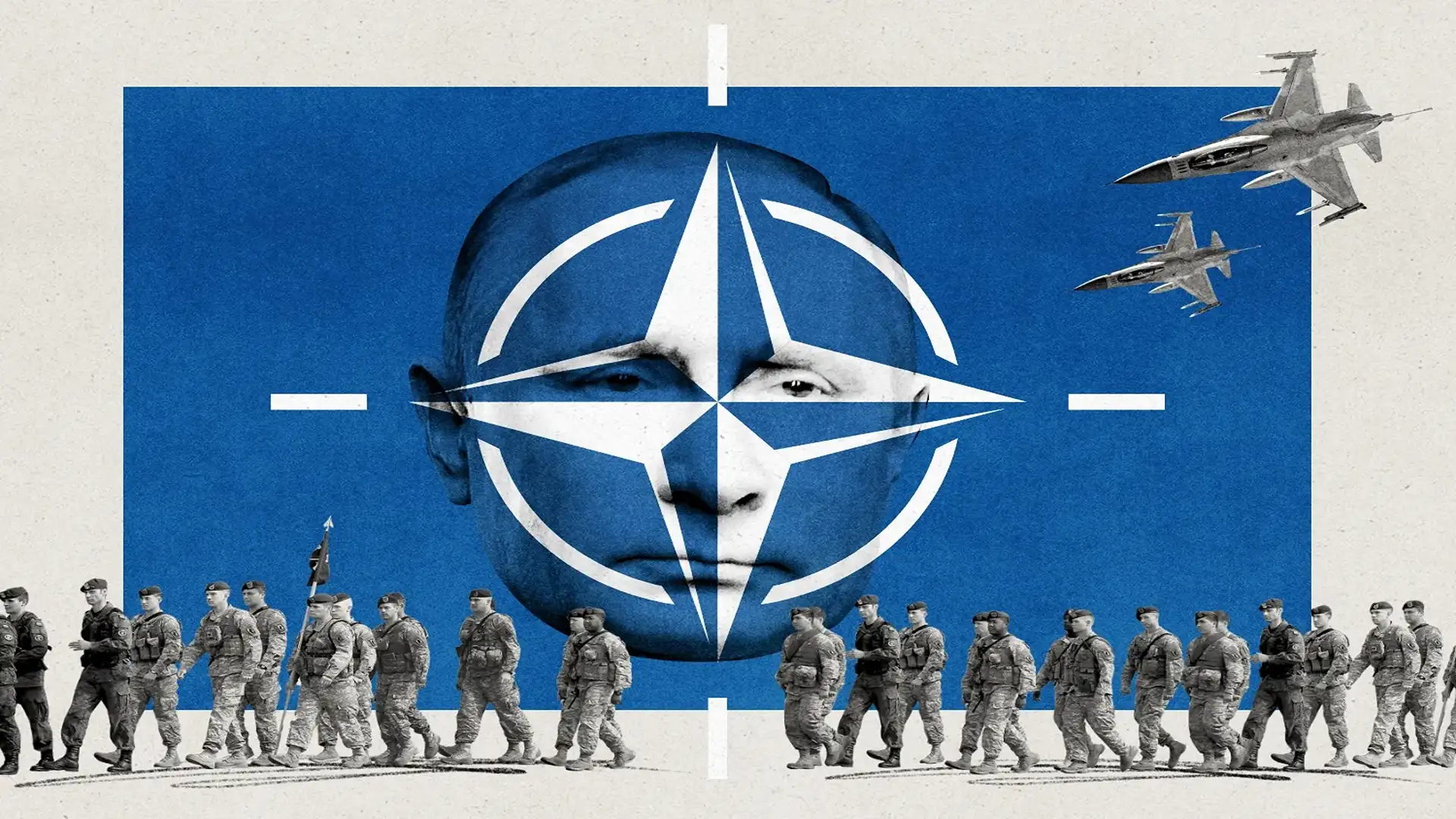
When China demonstrates anger, it is not irrational and unpredictable; on the contrary, it is Beijing's strategy to be seen by the world as angry and vengeful. It is a part of China's cognitive warfare, associated with its "revenge of the past."
In his 2013 article in The Diplomat, Professor Kerry Brown (King’s College) reviewed an instance of Beijing’s relations with Japan to argue that China tends to act against its own interests, led by emotions based on historical traumas and collective sentiments. He concluded that “Chinese diplomacy with emotional characteristics” is irrational.
However, a closer look at China's official narratives and media image reveals that Beijing's "emotional diplomacy" is, in fact, neither irrational nor unpredictable. It is strategic communication and cognitive warfare. Nonetheless, the impact of historical traumas associated with the need for "revenge of the past” is an undeniable element of China’s collective mindset.
Hurting the Feelings of the Chinese People
One of the most distinctive emotional phrases frequently reiterated in China's official narrative is: "hurting the feelings of the Chinese people.” Based on archival records, Amy King dates its first usage back to the Communist Party of China (CPC) politician and director of China’s state-operated Xinhua News Agency, Liao Chengzhi. In a conversation with former Japanese Prime Minister Ishibashi Tanzan on September 12, 1959, Liao reportedly said that the then-Prime Minister of Japan, Kishi Nobusuke, had done "many things that hurt the feelings of the Chinese people." On September 13, 1959, the People's Daily also used the phrase relating to India. The official newspaper of the Central Committee of the CPC criticized India’s “intrusions” into the Chinese-claimed disputed territory in the Himalayas.
Over six decades later, the phrase is still in use. Fang Kecheng, a Chinese blogger associated with Peking University, discovered in the archives of the People’s Daily that 19 countries and organizations had been held responsible for such an offence between 1946 and 2006. Japan occupied the top place for allegedly hurting Chinese feelings 47 times, followed by the United States at 23 instances.
Another Chinese blogger named Arctosia, based in New Zealand, calculated in his partly humoristic and partly sarcastic article that 43 countries have “hurt the feelings of the Chinese people” in the past. The blogger quite literally mapped the humiliators—rather than humiliations—of Chinese people’s feelings, preparing a map with the countries that had supposedly offended China over the years. The findings of both Fang and Arctosia were later—unironically—disseminated in an article by the Global Times, China’s main English-language propaganda platform.
What is Hurting China — and why?
It would seem that “hurting the feelings of the Chinese people” is simply synonymous with "damaging a good relationship." The phrase, however, has gained a much greater gravitas in the Chinese officialdom.
First, it is used when Chinese officials have the impression that China’s status has been undermined on the world stage or when China has been unfairly presented in a negative light.
Second, this narrative is applied when one of China’s “sensitive” issues—such as the status of Hong Kong, Taiwan, Tibet, and Xinjiang, respectively—is contested by another government or organization. In the context of Tibet, for example, China communicated hurt feelings when French protests against China's human rights violations broke out during the Olympic torch relay in Paris, when the U.S. House of Representatives passed a resolution on Tibet, when the London Metropolitan University granted the Dalai Lama an honorary doctorate and when President of France Nicolas met with the Dalai Lama in Poland.
Diplomacy of Anger
China's diplomacy of anger often signals to foreign governments and organizations that the feelings of the Chinese people were hurt.
Expressions like "China is angry,” “enraged China," or similar phrases have long been employed by the international media to describe Beijing's reactions. Recently, Beijing's anger has often been perceived as targeting China's strategic competitor and rival: the United States. This includes instances when the multi-mission American destroyer USS Benfold transited through the Paracel Islands chain in the South China Sea, when the U.S. shot down the Chinese spy balloon, and when the U.S. Congress passed the Uighur Act of 2019, affecting the issue of China’s territorial sovereignty over Xinjiang.
More importantly, China's anger is often directed at the United States in the context of its relations with Taiwan—especially when Washington strengthens its political, economic, and military ties with the democratic island nation. During US Speaker Nancy Pelosi's visit to Taiwan in August 2022, for example, China wanted to be portrayed as angry, conducting its emotional performance both verbally and physically, i.e. in the form of live military drills in the Taiwan Strait.
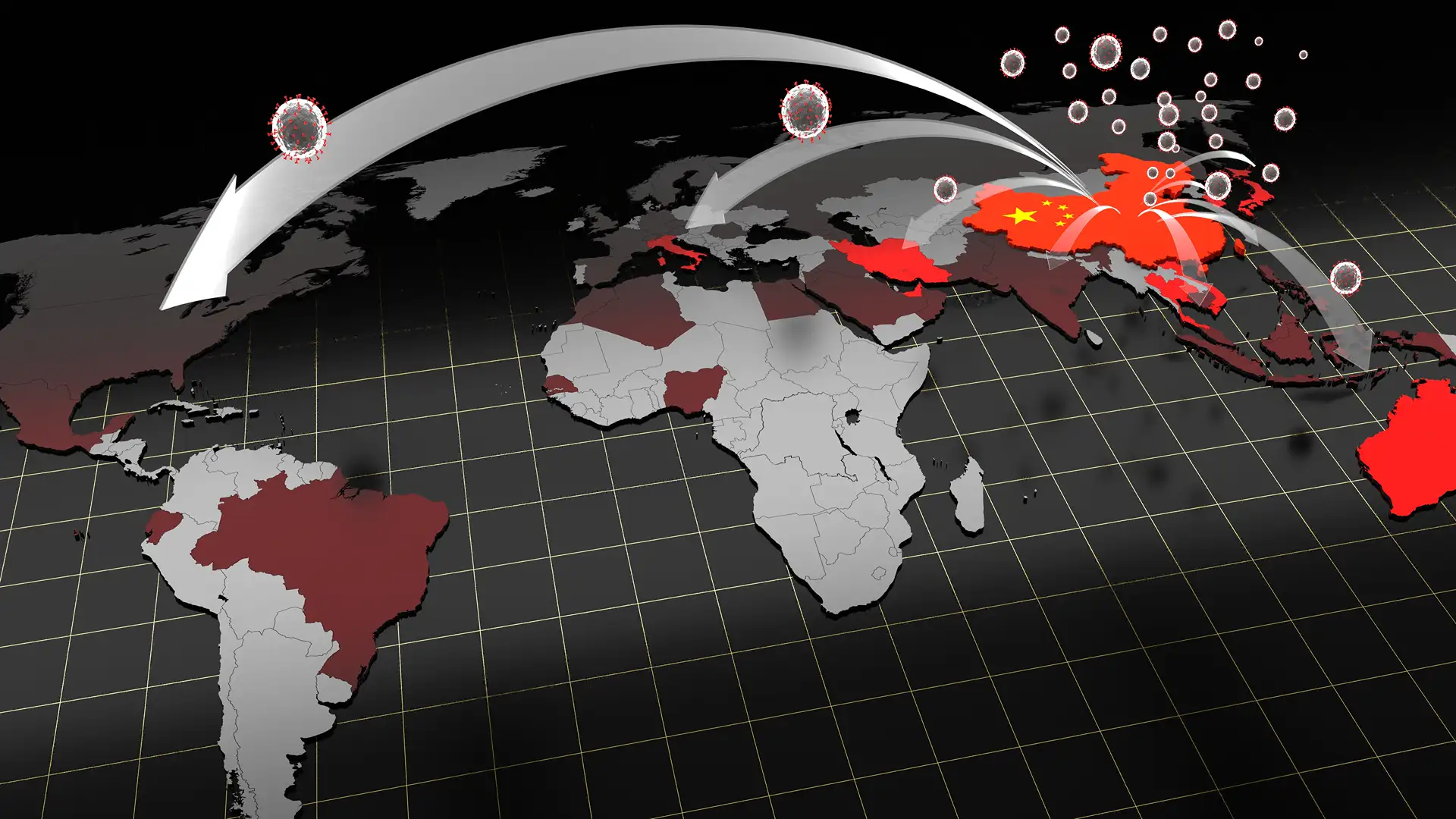
Nevertheless, China's anger is not limited to the United States. For instance, China seemed angry when the Permanent Court of Arbitration in The Hague shredded China's territorial claims in the South China Sea. There has also been friction between Beijing and Canberra, which started in April 2020 when Australian Foreign Minister Marise Payne called for an international independent inquiry into the origins of the Covid-19 pandemic in Wuhan, thus putting doubts on China's international credibility.
This suggests that the roots of being hurt and feeling angry are two sides of the same coin: They are related to Beijing's impression that foreign governments and organizations are challenging the territorial integrity of China and its international prestige. This, in turn, means a strong link exists between the Chinese expression of its historical hurt and the performance of anger in the public square. In fact, the CPC applies anger to communicate that the feelings of the Chinese people were "hurt" in matters designed by Beijing that are particularly sensitive to the psychological and emotional well-being of its citizens. It is directly connected with "disrespect" by foreign governments or organizations.
However, global media coverage on China's emotions is characterized by one central "red thread:" it elaborates more on China's anger rather than "hurting the feelings of the Chinese people." Thus, there seems to be cognitive dissonance between the foreign perception of China as being angry, aggressive, and revengeful on the one hand and Beijing's manufactured narrative of China being hurt and unjustly disrespected on the other. The latter seems to have been rather targeting the domestic audience, whereas internationally it has been overshadowed by the image of China's anger.
Is China’s “Diplomacy of Anger” Effective?
On multiple occasions, China has been perceived as angry, particularly in terms of territorial integrity and international prestige. Indeed, China wants to be seen as such, as it signals to other governments and organizations that there is a reason for them to be afraid of China's potential retaliation. This way, China hopes to deter them from committing the same "mistake" again.
Even though China has been numerously signalling that the “feelings of the Chinese people were hurt,” this aspect has been much less visible in the international arena. Thus, there is a discrepancy between the image of anger globally and being hurt in the Chinese narrative.
The primary international focus is definitely on China’s anger, its need for retaliation, and the fear factor. It appears that a large part of China’s message—which can be summarized as “apologize, retreat, and do not do it again”—is therefore obscured by Beijing’s angry performance on the world stage.