
SOCIAL MEDIA: GEOPOLITICAL MEANDERINGS
Growing global pressure on TikTok reflects the security concerns on foreign-based platforms.
“Tiktok! Love it, hate it, distrust it, or addicted to it; as of 2023, TikTok now has over 113.2 million users in the U.S. alone, opens a new window. You could say it’s popular,” wrote blogger Sarahg on the portal of Harris County Public Library, Texas, USA (12 November 23). The dilemma that engulfs most governments who have to deal with its popularity is amply reflected by this blog!
As per the Skyquest website, Online Video Platforms Market size was valued at USD 7.21 billion in 2019 and is poised to grow from USD 8.46 billion in 2023 to USD 30.05 billion by 2031, growing at a CAGR of 17.19% in the forecast period (2024-2031). Online video sites are free or paid, and users can host, stream live, and broadcast their videos. Needless to say, with the universal penetration of low-cost smartphones globally, a conducive environment for the market to flourish has been created.
The rapid growth of the commercial video platform has led to its bifurcation into various segments. For example, purely based on applications, the market is divided into video sharing, commercial video platforms, and others. If we take end users, the market can be segmented into content creators, brands enterprises and individuals. Going by type, it is divided into video hosting, mobile videos, live streaming, video analytics and video content management.
The Rise of Online Platforms
The explosive burst of the digital population across the globe has kick-started the craze for social media, and the number of subscribers each social media giant has on its site indicates their popularity, profitability and, more importantly, influence. As per Statista, over 70 per cent of adults in Nigeria, Thailand, Malaysia and South Africa, to name just a few, are dependent upon social media to access news. Therefore, not surprisingly, as per Statista, on an average, subscribers devoted 151 minutes per day on social media.
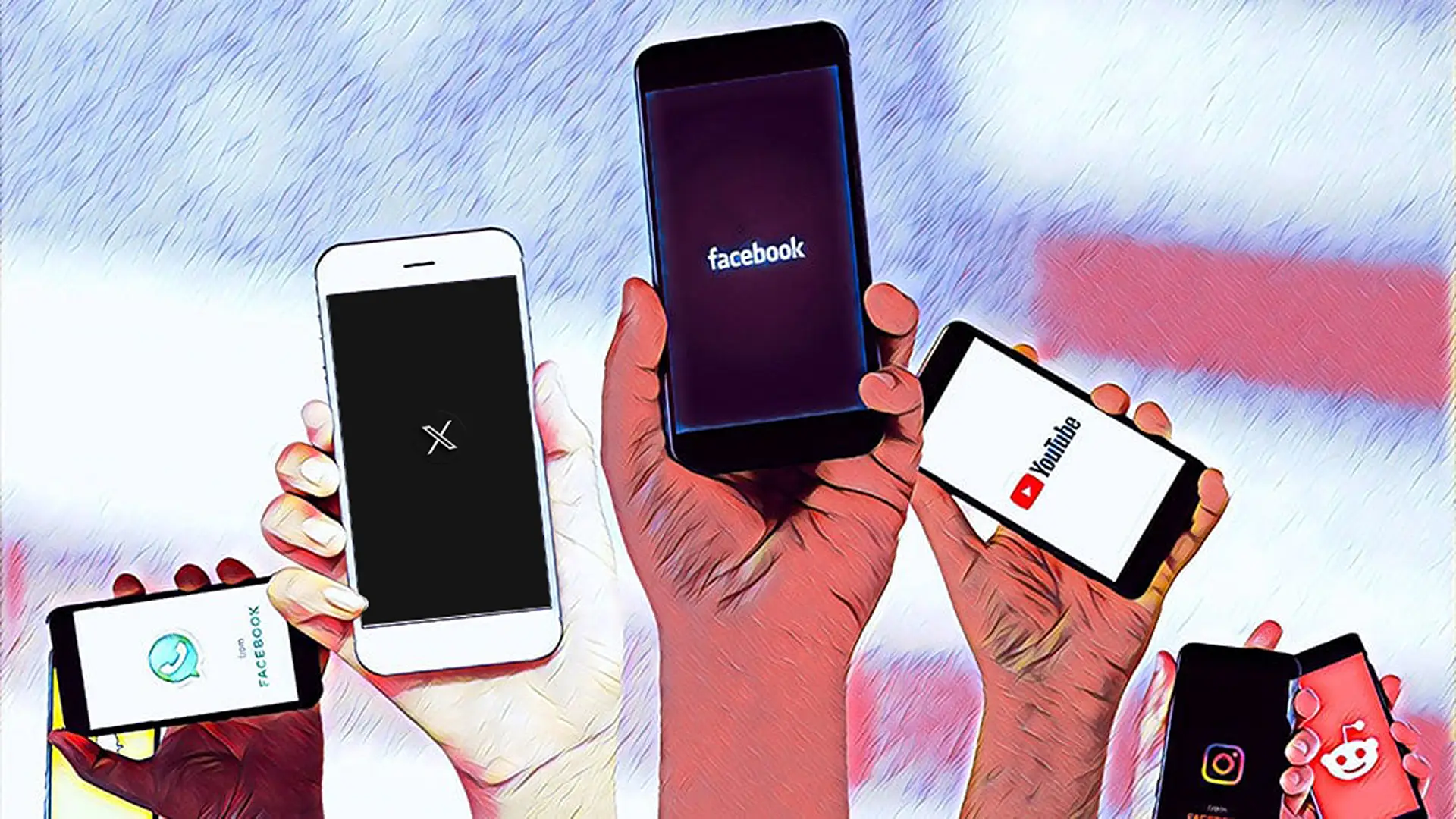
The biggest name in the industry is Meta Platforms Inc., which runs its 'Family of Apps' comprising Facebook, Instagram, Messenger and WhatsApp. In 2022, this company earned over $116 billion in revenue, with Facebook alone hitting over three billion monthly active users in 2023.
TikTok was launched in 2017 and soon became a major player in the mainstream social media scene. By 2023, it had over one billion monthly active users with mostly a youthful profile with a proclivity to recording lip-syncing videos and recording dances. The other players are WeChat (1,3 billion), Telegram (900 million), Snapchat (800 million), Twitter (600 million) and Pinterest (498 million).
However, TikTok, owned by Chinese tech company ByteDance, has been under intense scrutiny for some time now in many countries, with some even banning it. The platform, known for its vast user base and viral content, is at the centre of a geopolitical tug-of-war, reflecting broader concerns about data security, privacy, and the influence of Chinese technology. Especial hostility is reserved for TikTok in the U.S., where its detractors accuse it of being a "potential vector for foreign influence." In authoritarian China, it is easy for the CCP to exert pressure on the parent company. Since 2016, social media has become an important factor in America's daily life, and its politics have been heavily influenced by it. It is widely claimed that 'past elections have been won and lost on YouTube or Facebook. Considering the simmering cold war between the U.S. and China, the platform is apparently caught in the eye of a gathering geopolitical storm, reflecting broader concerns about data security, privacy, and the influence of Chinese technology.
A Global Campaign
The opposition to TikTok is surprisingly shared by a host of Western countries and those that feel threatened by the growing power of Beijing.
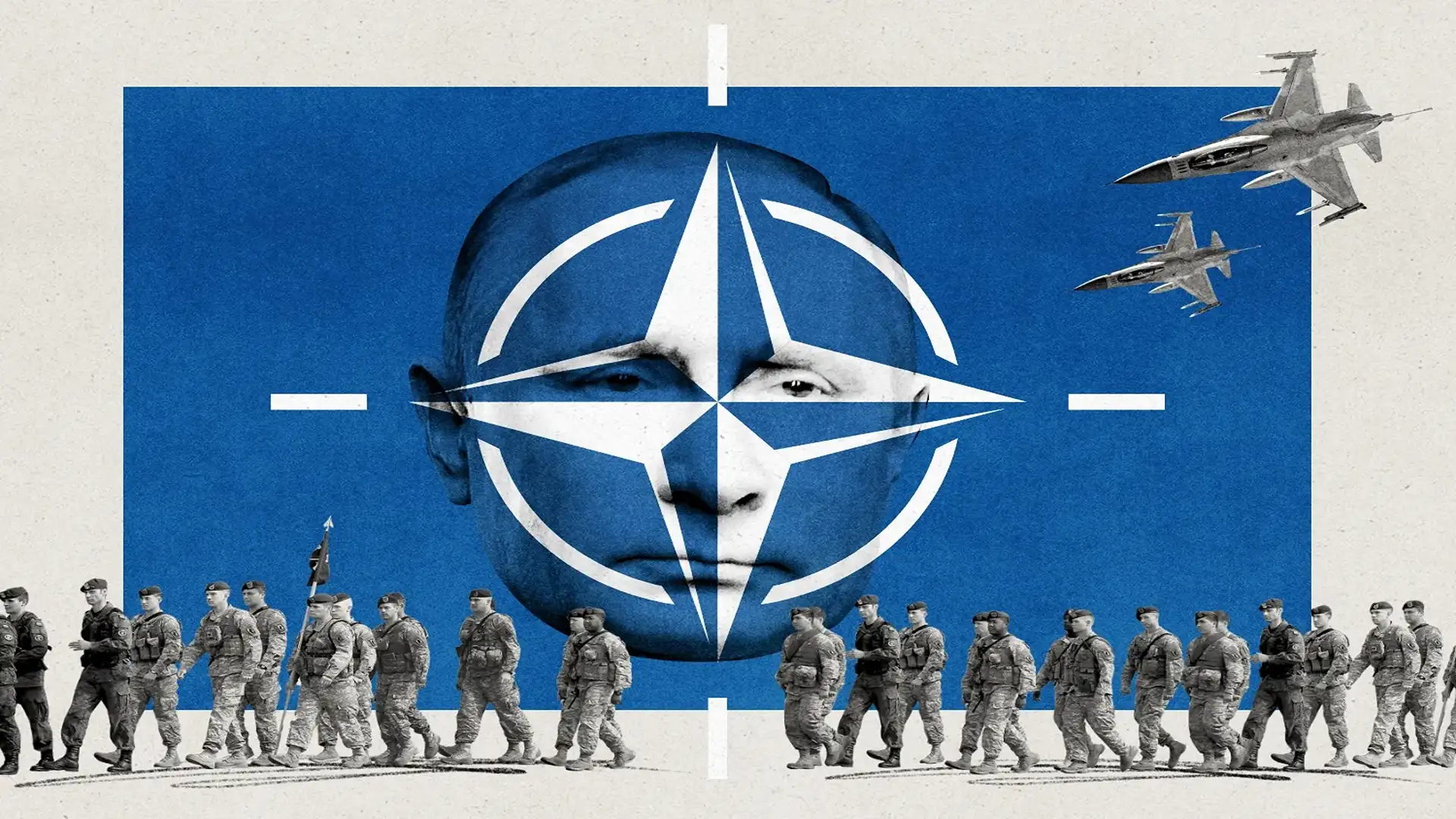
As mentioned above, the United States has been at the forefront of efforts to limit TikTok's influence. The U.S. government has raised significant concerns about the app's potential to share user data with the Chinese government, posing a national security risk. This led to former President Donald Trump issuing an executive order to ban the app unless it was sold to an American company. Although this order was later rescinded by President Joe Biden, the U.S. Congress has continued to push for measures that would force ByteDance to divest its ownership of TikTok. Recently, legislation was passed that requires ByteDance to sell the platform within nine months or face a nationwide ban.
The E.U. has taken a somewhat different approach, focusing on regulatory frameworks to address the issues posed by TikTok and similar platforms. The European Commission has implemented the Digital Services Act (DSA), which sets stringent rules for online platforms regarding content moderation, data protection, and user safety. As part of these efforts, the E.U. recently forced TikTok to suspend a feature in its TikTok Lite app that rewarded users for engagement, citing concerns about its potential to encourage addictive behaviour among children. Additionally, several E.U. institutions, including the European Parliament, the European Commission, and the E.U. Council, have banned TikTok on staff devices due to cybersecurity concerns.
The U.K. has also acted to mitigate the risks associated with TikTok. The government banned the app on official devices, citing potential security threats highlighted by the National Cyber Security Centre. This move is part of a broader trend in the U.K. to scrutinise Chinese technology, including previous actions against Huawei.
Australia, Belgium, Canada, and New Zealand have banned TikTok from federal government-owned devices due to security and privacy risks. Norway, normally a very liberal and open state, joined the ban on work devices following security warnings from the Justice Ministry. France has gone a step forward and banned all "recreational" apps, including TikTok, on the work phones of civil servants.
The Indian case is particularly interesting. TikTok took just a few years to gather a gigantic base of faithful users in India of over 200 million. It was especially attractive to Indians as its algorithm was much more localised to Indian content than the formulas used by the American giants. But the bloody hand-to-hand fighting in the high Himalayas between Indian and Chinese soldiers, leading to scores of deaths, spurred the Indian Government to ban TikTok and 58 other Chinese apps. The measure was described as a matter of "data security and safeguarding the privacy" of Indian citizens from "elements hostile to national security and defence of India."
Indian tech companies made a vain attempt to fill the vacuum but failed. As per the New York Times (22 March 24), American tech giants, “with their deeper pockets and expanding global audiences, came to dominate India. The country is now the biggest market for both YouTube (almost 500 million monthly users) and Instagram (362 million), with roughly twice as many users as either has in the United States, though they earn far less revenue per consumer.”
As per the NYT article, the possibility that Chinese consumer technology might pose a risk to India’s sovereignty had been circulating in the Indian national security circles for some time, even before the Galwan incident occurred.Indian officials had expressed concern that Chinese-owned apps could provide Beijing with a potent messaging tool within India’s raucous media environment.
Europe’s Strategy
Social media is a reality and a fact of daily life that no government can ignore. The European Union's approach to regulating social media differs significantly from the more drastic measures seen in the United States and India. Rather than pursuing an outright ban, the E.U. has opted to leverage regulatory mechanisms to address specific issues related to the platform. This strategy is exemplified by implementing the Digital Services Act (DSA), which imposes comprehensive obligations on platforms like TikTok to ensure user safety and data protection.
The DSA is a landmark regulatory framework aimed at creating a safer and more accountable online environment within the E.U. Key provisions of the DSA include:
Content Moderation: Platforms must implement measures to prevent disseminating illegal content and misinformation.
Transparency Requirements: Platforms are required to disclose their algorithms and data management practices.
User Protection: Enhanced safeguards for vulnerable users, including minors, against harmful content and addictive design features.
Under the DSA, the European Commission has the authority to take action against platforms that fail to comply with these regulations. The suspension of TikTok Lite's reward feature is a notable example of the E.U.'s proactive stance in enforcing these rules.
While the DSA addresses a broad range of online safety concerns, national security and data privacy remain critical issues. European countries have expressed fears that the Chinese government could use TikTok as a tool for espionage. This concern is rooted in the Chinese National Intelligence Law, which requires Chinese companies to assist in intelligence gathering if requested by the government.
In response, several E.U. member states have taken unilateral actions to limit TikTok's presence on government devices. These measures reflect a growing consensus within the E.U. about protecting sensitive data from potential foreign surveillance.
In its Defence
To stay alive in this highly competitive and lucrative market, other tech companies are looking at the strategy fielded by beleaguered TikTok. The way the wind is blowing, even Western online video platforms may find themselves in governments' crosshairs.
As its initial response, TikTok has consistently denied allegations that it shares user data with the Chinese government, asserting that it stores user data in the United States and Singapore.
When faced with a hostile Congress panel in March this year, TikTok put forward its moderate CEO, Shou Zi Chew, a citizen of Singapore who repeatedly emphasised his citizenship and his military service in the island nation, a close Western ally. Under intense grilling lasting over five hours, Chew denied that the app leaked data with the CCP. He claimed the company was building a firewall to 'seal off protected U.S. user data from unauthorised foreign access.' "The bottom line is this: American data stored on American soil, by an American company, overseen by American personnel," Chew said as quoted by Reuters. American lawmakers did not appear convinced.
The company emphasises its robust security measures to protect user privacy, aiming to reassure both users and regulators about the integrity of its data management practices.TikTok has increased transparency regarding its algorithms to address concerns about potential manipulation of user behaviour. This includes disclosing how its algorithms work and managing data, particularly as part of its compliance with the Digital Services Act (DSA). TikTok aims to build trust and demonstrate its commitment to fair and ethical practices by providing more insight into its internal processes.
In addition, TikTok has implemented data localisation measures to enhance data security and privacy. By moving some of its data storage to the United States and Singapore, the platform aims to mitigate fears about the safety of user data and prevent unauthorised access. These steps are part of a broader strategy to align with international data protection standards and reassure users that their information is secure.
ByteDance, TikTok's parent company, has explored restructuring its ownership to appease regulatory authorities. This includes potential divestment of TikTok or implementing stringent data localisation measures. Such actions address regulatory concerns and ensure that TikTok's operations comply with local and international laws.
Engagement with regulatory bodies has also been a critical aspect of TikTok's response. The company has actively communicated with entities like the European Commission to address concerns and ensure compliance with regulatory frameworks such as the DSA. This proactive approach aims to demonstrate TikTok's willingness to cooperate with authorities and adapt its practices to meet regulatory expectations.
In response to specific regulatory concerns, TikTok has also suspended certain features. For example, the platform halted the reward system in TikTok Lite after regulators raised issues about its potential to encourage addictive behaviour among children. This suspension reflects TikTok's commitment to addressing regulatory feedback and making necessary adjustments to its platform to protect user well-being.
Impact on the Social Media Market
Hopefully, the TikTok controversy should be a lesson to other giants in the genre. Bans can be infectious and could ruin the entire industry in the blink of an eye. With billions sunk in hardware, software, global marketing and operations, none of the big tech companies can afford such a situation.
The actions against TikTok also have broader implications for the competitive landscape of social media. Restrictions on TikTok could create opportunities for rival platforms like Instagram, Snapchat, and YouTube to capture its market share. Additionally, the regulatory scrutiny faced by TikTok may set a precedent for how other social media platforms are treated, particularly those with ties to non-Western countries.
Another critical issue is the transparency of TikTok's algorithms. The platform's powerful recommendation engine, which drives user engagement by serving personalised content, has come under scrutiny for its potential to manipulate user behaviour. There are fears that the algorithm could be used to spread misinformation or promote content that aligns with specific political agendas.
The DSA's requirement for platforms to disclose their algorithms aims to address these concerns. By increasing transparency, regulators hope to hold platforms accountable for their content curation practices and mitigate the risks of algorithmic manipulation.
The cybersecurity risks associated with TikTok extend beyond data privacy. Security experts warn that the app could be exploited for espionage or cyberattacks. For example, the app's access to device information and its ability to collect extensive user data could provide a potential vector for cyber intrusions.
Assessment
The global actions against TikTok
(while ignoring Western platforms)
reflect a complex interplay of security concerns, geopolitical dynamics, and regulatory challenges.
The E.U. approach appears more prudent as it opts for
stringent measures, including potential bans on regulatory
bias
, leveraging frameworks like the Digital Services Act to address specific issues related to
social media
platform
s
.
The DSA would be applicable across the social media industry without exceptions.
Critical questions about data privacy, algorithmic transparency, and cybersecurity are at the heart of the debate
, which
continues
to shape the discourse around
social media
and its role in the global digital landscape.
As TikTok navigates these challenges, its ability to address regulatory concerns and demonstrate a commitment to user safety and data protection will be crucial in determining
the future of this mode of media
.