
PUTIN’S RUSSIA – POST 2024 POLLS
Putin’s therapy to invigorate Russia emphasisesstatism and anchored Soviet themes.
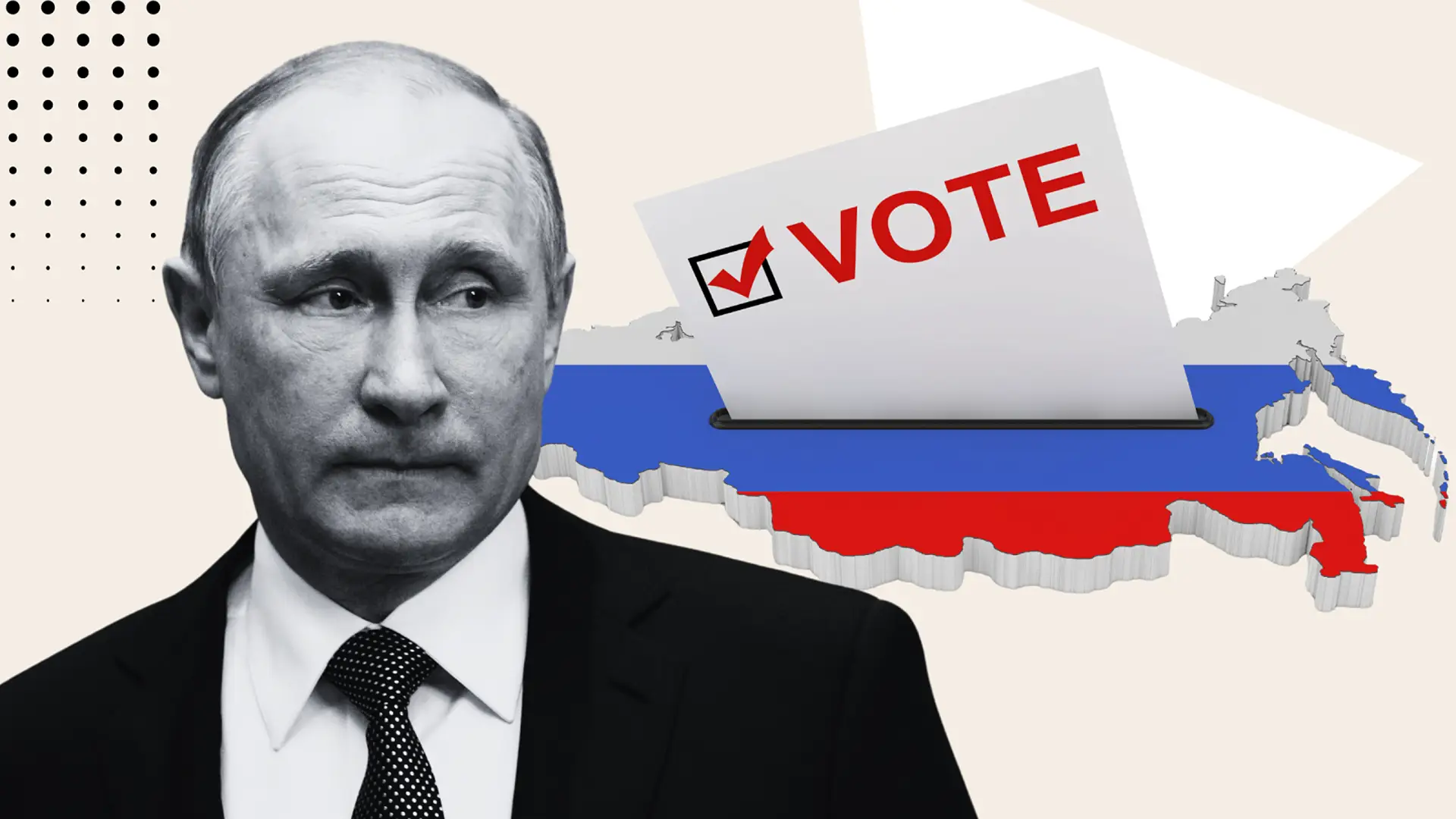
Vladimir Putin secured a fifth term in office in the March 2024 Russian presidential election with a victory by a huge margin. The outcome was widelyexpected, and his popularity is now highest despite allegations of vote rigging and limited opposition. Clearly, Putin's win solidified his grip on power and is seen as a sign of support for his policies, particularly the war in Ukraine.
Some interesting, albeit trivial, facts are connected to these elections. Since Mr Putin himself passed an amendment in the Duma in 2018 extending the Soviet-era tenure of the President from four to six years, he will continue in power at least till 2030. After that, he may seek yet another tenure as he will be only 77, an age at which Mr Trump is contesting for his second stint at the White House. Taking into account his tenures as the country's prime minister (1999-2000 and 2008-2012), Mr Putin has already overtaken Catherine the Great's record, who ruled for over 34 years! If he opts for another tenure post-2030, he will be the longest-ruling Russian since Peter the Great.
The Western actions to disturb polls in Russia faileddespite drone attacks preceding polls and an attempted elite strike forces operation.
Putin's call for national unity and the emphasis on overcoming challenges suggest a continued focus on consolidating power and navigating Russia through difficult times. This does not seem out of place as, looking ahead, Putin's post-election course of action remains uncertain. While he has seemingly "sanction-proofed" the Russian economy and bolstered military production, challenges such as demographic decline, the economic impact of the war and the fragility of one-person rule persist.
A Magical Victory or a Foregone Conclusion?
Putin's long-standing rule and consolidation of power over the years, coupled with a national unity and stability narrative, played a crucial role in securing such a high percentage of votes. His image as a strong leader and promises of continuity resonated with a significant portion of the electorate.Putin's victory with over 87 per cent of the vote, was facilitated by the absence of any credible political opposition– potential challengers like Alexei Navalny were either banned, jailed, exiled, or deceased. The voter turnout was high at 77.5 per cent which is surprising for an election with little drama. The election took place in a tightly controlled environment where dissent and criticism of Putin were stifled. Independent media faced restrictions, and public criticism of Putin or his policies was suppressed. Not surprisingly, the results were as expected.
The government invested heavily in propaganda efforts, spending around €1 billion on promoting Putin ahead of the elections. Putin's campaign included increased media appearances, visits to various locations, and promises of government programmes until at least 2030.
Key Promisesmade during the election campaign by Vladimir Putin strengthened his domestic legitimacy. Putin pledged to allocate billions of Roubles to modernise schools, improve infrastructure, fight poverty, protect the environment, and boost technology. This included promises to modernise the tax system for fairer treatment of Russian families and provide incentives for economic growth. Emphasising a national unity and stability narrative, Putin positioned himself as a strong leader capable of ensuring continuity and addressing the challenges facing Russia. This message resonated with many voters. Despite concerns about rising prices and economic instability due to the war, Putin highlighted the resilience of the Russian economy in the face of heavy sanctions. The economy's performance, with an expected growth of 2.6 per cent in 2024, was a significant factor in Putin's campaign.
International Reactions
The reactions to President Vladimir Putin's victory reflected international perspectives on the larger role of Russia in the international arena. Russia’s friends were quick to reiterate their bonds with Mr Putin. Indian Prime Minister Narendra Modi congratulated Putin and said he would look forward to working together to further strengthen the time-tested special and privileged strategic partnership between India and Russia. The Chinese President Xi Jinping promised support for Russia's future achievements, emphasising the importance of China-Russia relations. Leaders from countries like North Korea, Honduras, Nicaragua, and Venezuela, all members of the pro-Russia camp, also joined in the congratulations.Belarusian President Alexander Lukashenko, a staunch ally of Mr Putin, saw the election results as a counter to the West against destabilising Russia.
Western nations responded along equally expected lines. The European Union, Germany, the UK, and the U.S., called the election “undemocratic, lacking legitimacy, and characterised by repression and intimidation.” They condemned Russia's efforts to hold elections in occupied Ukrainian territories.Ukrainian President Volodymyr Zelenskyy denounced Putin as a dictator and called for his trial in The Hague, emphasising the lack of legitimacy in the election.The Lithuanian Foreign Minister highlighted the absence of freedom in the election process, stating that elections without choice cannot be considered legitimate.NATO Secretary General Jens Stoltenberg labelled the elections as“neither free nor fair”, especially highlighting the organisation of elections in occupied parts of Georgia and Ukraine.German Chancellor Olaf Scholz's spokesperson described Russia as a dictatorship. Former UK Foreign Secretary David Cameron described the entire exercise as a “stark illustration of repression under Putin's regime”, highlighting the removal of political opponents and control of the media.
The Next Five Years
A judicious mix of domestic stability, economic reforms, foreign relations strategies, and support for scientific advancement will likely shape Putin's agenda in his upcoming term as Russia's President.
Making Russia Great Again. There is no deviation from Putin’s well-known vision to regenerate and resurrect post-Soviet Russia and bring back the nation to the centre stage of global affairs. He reiterated this goal in his post-poll address from Red Square on 18 March 2024, promising a blueprint for economic and social development agenda for the future.
Stability and Order: Putin aims to introduce more stable, predictable, orderly governance, policies, and society.
Economic and Social Reforms: Putin is likely to address prevalent corruption and the excessive influence of oligarchs while maintaining privatisation and economic stability. However, the extent of reforms in economic structure remains uncertain.
Foreign Policy: While pursuing Russian national interests, Putin is not expected to seek hegemony over former Soviet republics. His foreign policy approach is likely to balance national interests with international relations.
Support for Science: Despite challenges faced by Russian science due to global isolation, Putin promised support for research initiatives domestically. Efforts to revitalise Russian research and bring it back into the international fold are crucial for the future of science and technology in Russia.
Democratic Processes: While emphasising stability, Putin is not inclined towards a return to the Soviet system. However, there are concerns that some democratic processes may be compromised to maintain order and policy execution.
Possible Challenges
Domestic Opposition and Unrest: Putin faces challenges from domestic opposition despite his easy victory in the polls. The death of Alexei Navalny and the crackdown on dissent indicate ongoing challenges in managing internal opposition. The prolonged one-person rule with false pride and ideology will likely persist and pose challenges to Putin's long-term governance, with the future vision for Russia still being blurred. The aftermath of the war in Ukraine has led to a significant brain drain in Russia. Emigration trends among young and educated individuals leaving for opportunities abroad could weaken Russia's growth potential in the long term.
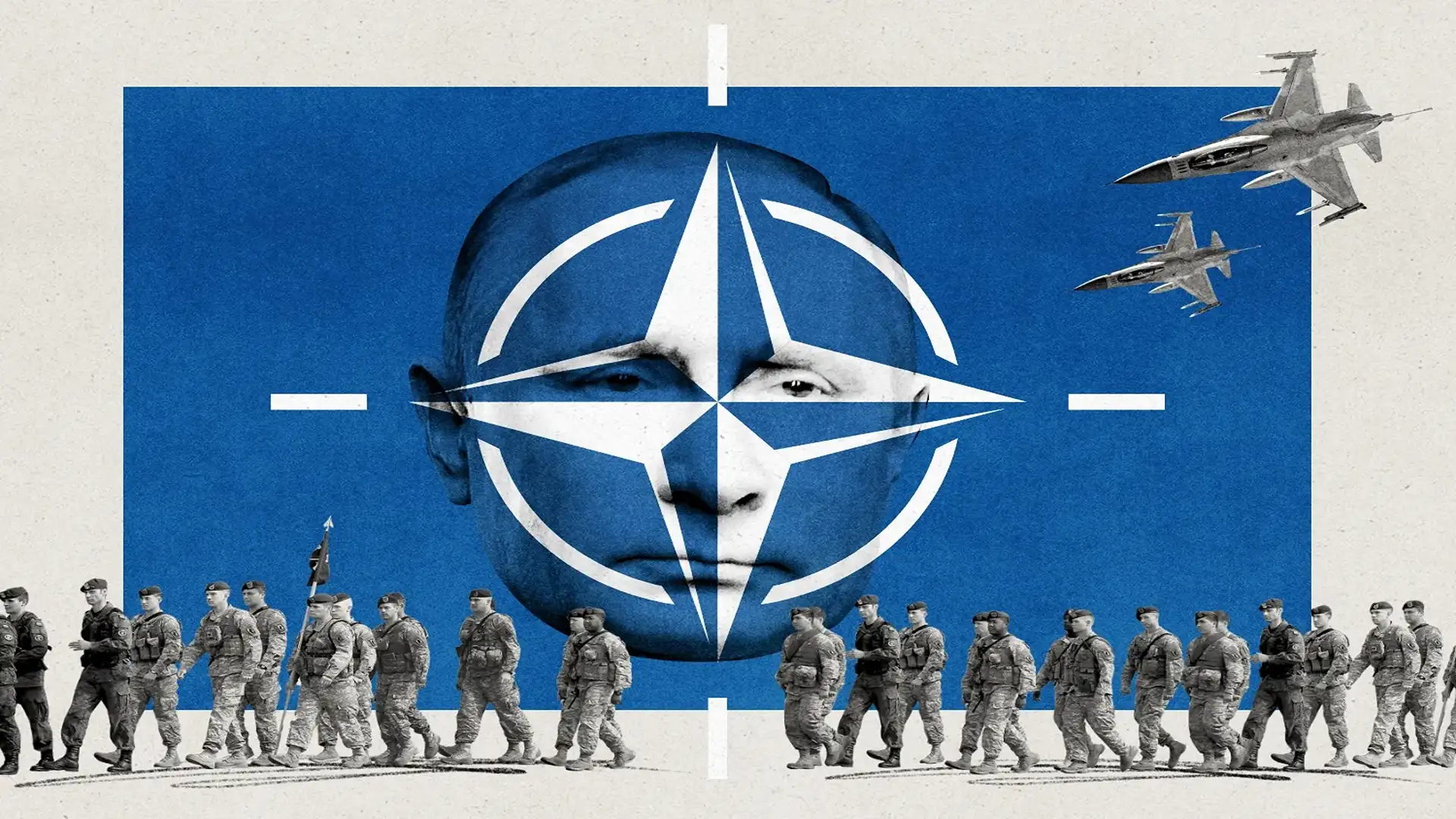
International Relations: Putin's actions post-election will influence Russia's standing in the international community. Key challenges include managing relationships with Western countries, testing NATO's resolve, and potential escalations in neighbouring regions like Moldova.
War in Ukraine: The conflict in Ukraine remains a significant challenge for Putin. Public fatigue with the war, concerns over the cost of lives and resources, and the need for a peace agreement pose ongoing challenges.Russia also faces demographic decline, with a falling fertility rate. Putin's pro-war mobilisation efforts and emphasis on traditional values are shaping domestic narratives and fostering a sense of unity around the war effort. This internal mobilisation will have implications for Russia's domestic stability and external relations.
Economic Sanctions and Resilience: Putin's ability to navigate Western sanctions and maintain economic stability is crucial. The impact of sanctions and economic resilience presents a challenge for his administration. It is widely believed that the sanctions are hurting the West far more than Russia, owing to the huge oil reserves and the earnings thereof, despite the G7 price cap. The inflation of over 7.5 per centappears to be manageable.
Government Stability and Reforms: Questions arise about potential government shake-ups, policy changes, and the need for reforms post-election. Putin's ability to address internal governance issues and implement necessary changes will be a critical challenge.
Implications for the Global Political Landscape
Putin's 5th term is expected to lead to a continuation of aggressive foreign policies, deeper divides in the West through disinformation and propaganda, and repression against opposition. This could further strain relations between Russia and Western nations.
The Western concern is about Putin's ability to tilt the global strategic balance towards cementing the multipolar world order of the 21st century. Putin’s victory is seen as leading to the consolidation of Russian society with a victory in the Ukraine war as a plausible reality. Putin's victory will have implications for the U.S. foreign policy and NATO expansion, in turn shaping international perceptions of Russia's political landscape and influencing diplomatic relations.
Putin's emphasis on traditional values and the export of "Putinism" may lead to increased tensions with the West.The impact of Putin's policies on the Russian economy, including sanctions and defence spending, could have broader geopolitical implications. The reorientation of the economy towards defence spending at the expense of living standards may affect Russia's economic relationships with other countries.
The election outcome, characterised by limited opposition, a controlled environment, and allegations of electoral irregularities, raised concerns about the state of democracy and human rights in Russia. The increased scrutiny and diplomatic tensions with countries advocating for democratic values will persist.
Putin's victory is likely to solidify existing alliances with countries like China, India and those in the Global South, reinforcing the message of his firm control over Russian politics. The breakdown of collaborations with Western countries has prompted Russia to seek closer partnerships with India and China. This shift in alliances could reshape geopolitical dynamics and influence future global partnerships.
Key Takeaways
Russia was adrift in the 1990s after the collapse of the Soviet Union
, b
ut Putin
has consolidated the Russian spirit
. Putin will vigorously pursue his goal of resurrecting and regenerating Russia, albeit with numerous challenges
, even at the cost of continuing to challenge the West led by the U.S.
Time and again, Mr Putin has flashed the nuclear card.
As the NATO forces inch closer to Russian borders, Putin’s unease
could
compel him to react violently – increasing the
risk for the West
.
Domestically, by all measures, Mr Putin seems to be firmly in the saddle with little political opposition to unseat him, at least for the next five years. However, Russia is well known for the unexpected Byzantine 'palace coups', which can never be discounted. While the
challenge from the Wagner's Group was swiftly and adroitly handled, there is always a simmering opposition under Russia's seemingly placid political surface.