
INDIA AND THE INDO-PACIFIC
Why the Indo-Pacific matters to the world and India.
By Rear Admiral Monty Khanna (Retd), Synergia Foundation
Assigning names to vast expanses of the globe is primarily a function of geography. Our continents and oceans have been named with such contiguity in mind. The sole exception to this rule is the bifurcation of the vast Eurasian landmass into the continents of Asia and Europe. Linkages between these distinct continents and oceans have existed for millennia for reasons varying from trade to migration, sometimes voluntary and more often than not forced, as was done during periods of slavery and indentured labour.
The geography of the Indo-Pacific is now playing an increasingly critical role in geopolitics. The region and its resources house a wealth of geo-strategic challenges for maritime security forces. The Indian Ocean, the third largest, and relatively peaceful ocean complements the Pacific, the largest, and most contestedocean. Together, they host two of every three island nations and seven of the ten largest continental nations. The maritime orientation of the region is highly interconnected.
Rise of a Region
Over the last century, as globalisation gathered steam, these inter-linkages have become even more pronounced and have extended from the physical to the virtual domain. Supply chains in both domains have become increasingly intertwined to leverage the comparative advantage that even distant nations have had to offer. This has resulted in a steady increase in the purchasing power for most goods and services, thereby increasing affordability and consumption, which in turn has led to an exponential improvement in quality of life.
Enhanced trade dependencies, particularly in a competitive environment, have given way to enhanced strategic interests in the Indo-Pacific region. As some nations have been more efficient than others in creating the necessary environment to leverage their comparative advantages for economic benefit, trade has also resulted in power shifts, the most notable being China's phenomenal rise over the last four and a half decades. The re-industrialisation of Japan preceded China's rise post World War II. This was followed by the concurrent rise of the Asian tigers, i.e., Taiwan, South Korea, Hong Kong and Singapore. Finally, the accelerated growth of India, as well as the rest of Southeast Asia, has resulted in the economic fulcrum of the world having perceptibly shifted eastwards.
Given the stakes involved, challenges to global hegemony are invariably accompanied by pushback by the established power. The U.S., therefore, has resisted China's rise in multiple dimensions, including the strategic, economic, and technological arenas.
Two Oceans One Strategy
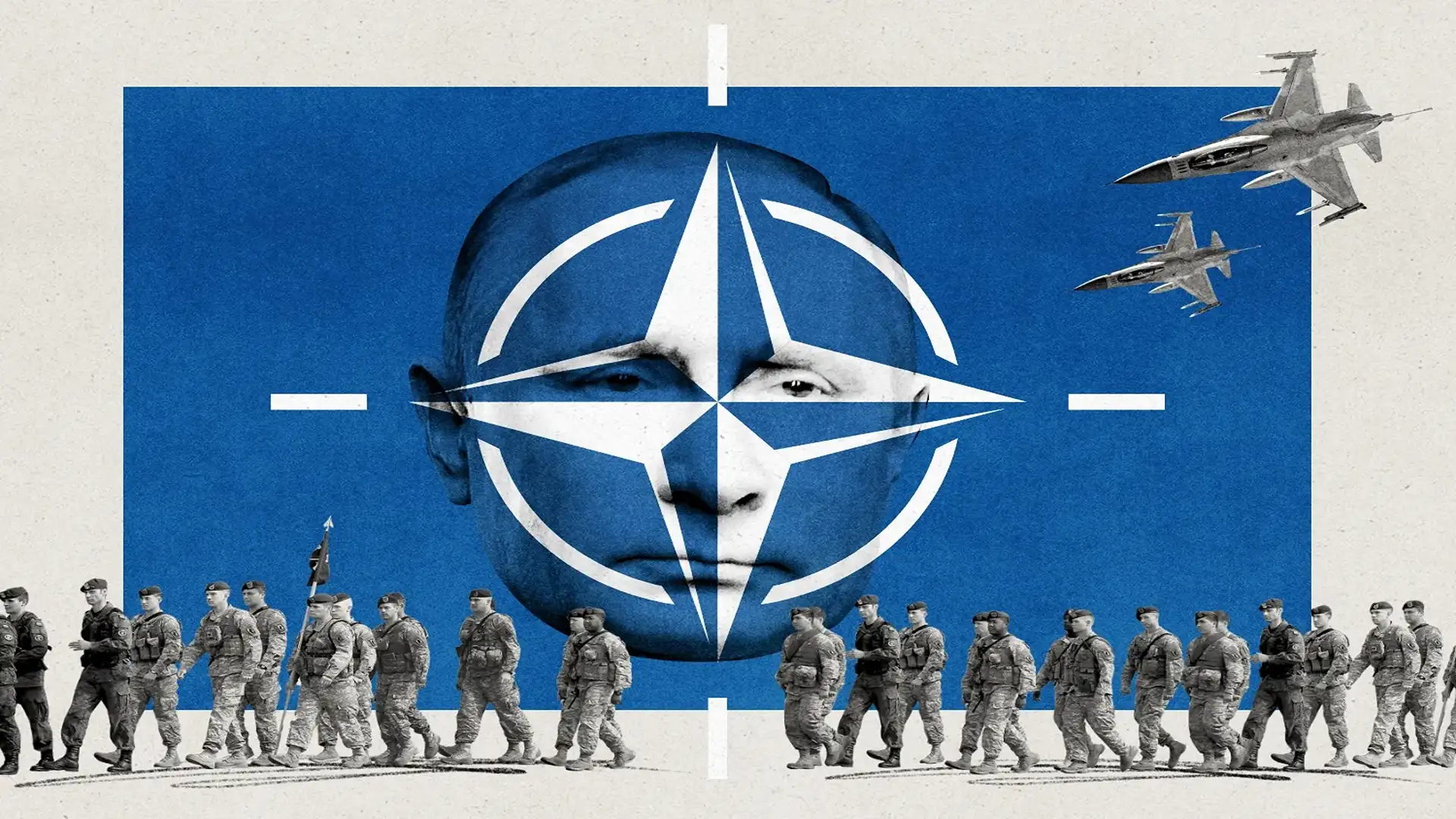
Insofar as the strategic dimension is concerned, one tool that the U.S. has used is the articulation of the Indo-Pacific concept, wherein the Indian and Pacific oceans and their littoral nations are construed to be conjoined into a single geopolitical construct.
From a U.S. perspective, such a step has several perceived advantages. It serves as a vehicle for enhanced military, economic, and strategic ties between the U.S. and Indian Ocean littoral nations, the key being India. It encourages stronger bonds between the U.S. Asian allies and Indian Ocean Region countries. It provides a fillip to the QUAD and similar security constructs in the region. It serves as a counterweight to the Chinese Belt and Road Initiative (BRI) and its subsequent avatars, these being the Global Development Initiative (GDI), Global Security Initiative (GSI) and Global Cultural Initiative (GCI). It demonstrates the U.S.'s continued commitment to the region and serves as an instrument for reassuring smaller nations whichhave occasionally shown tendencies to hedge geopolitical risks by forging closer ties with China. In a way, it has the potential to be a key building block in an effort towards containing the rise of China and preserving the current geopolitical order.
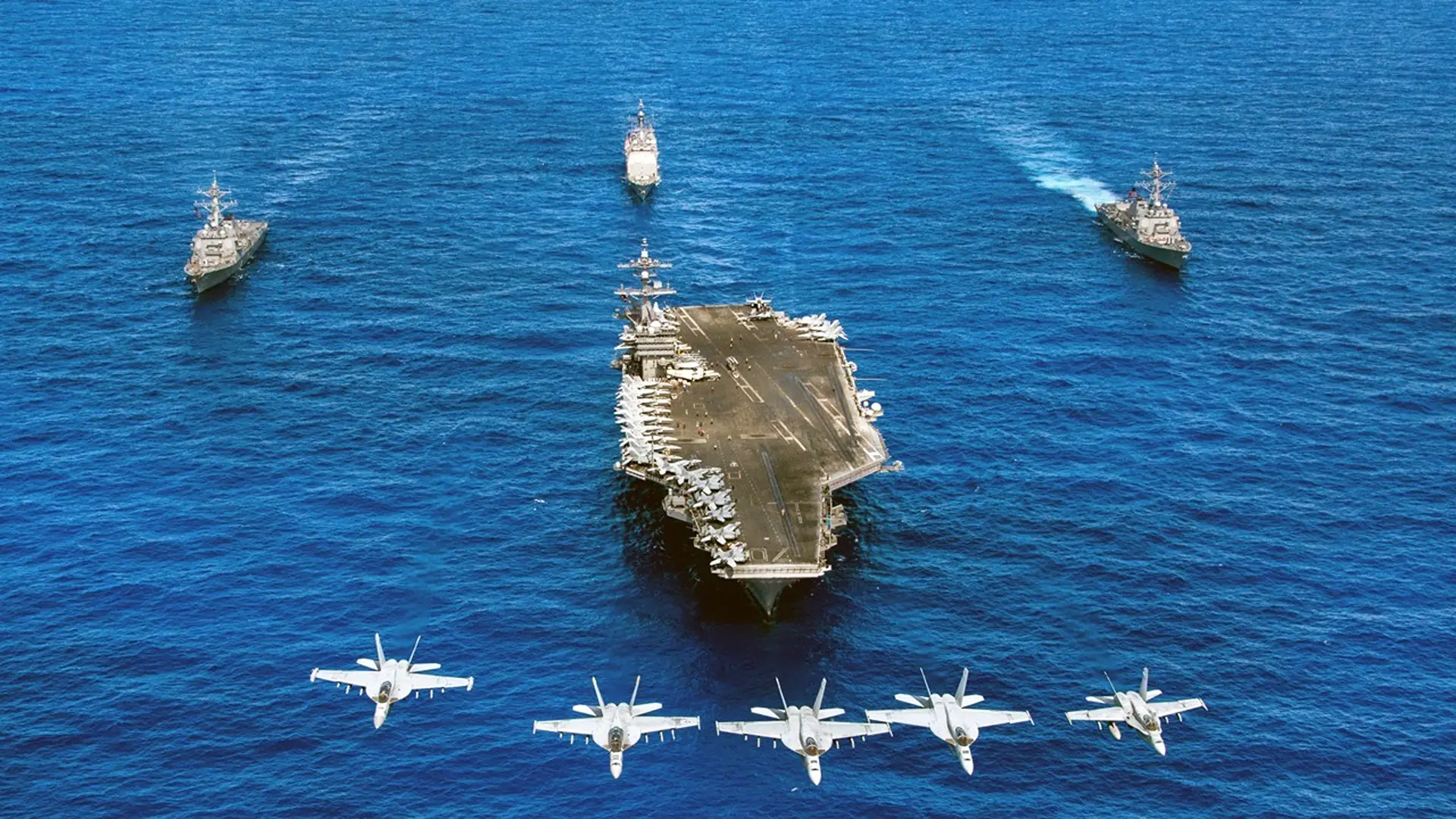
From a security perspective, the shift has been relatively easy for the U.S. as the erstwhile Pacific Command (PACCOM) 's Area of Responsibility (AOR) always included a sizeable part of the Indian Ocean. Its new name, the Indo-Pacific Command (INDOPACCOM), just provides greater visibility to its tasking in the IOR, a responsibility it was already entrusted with.
Countries in the region have reacted differently to the salience given to the Indo-Pacific construct. China has clearly identified it as a tool for containment. Russia sees it as a means of isolating them,as expressed in no uncertain terms by the Russian foreign minister, Mr. Sergei Lavrov, during the 2020 Raisina Dialogue. Australia, a U.S. ally whose landmass washes the shores of both oceans, has not surprisingly embraced the Indo-Pacific.It serves their strategic interests well, forwhile their security interests lie with the U.S., their economic interests are oriented towards Asia. Seeing the two oceanic regions as a unified strategic construct is something they have been doing for decades. Japan, another U.S. ally, has also found favour with the concept. Their motivations, however, appear to be more China-centric. Given their testy relations coupled with proximity to China, any attempt to broad-base the pushback against the rise of China is welcome. The enthusiasm from most Southeast Asian nations has been more tepid. The region has walked a fine line over the past decade, balancing a rising and more assertive China with the existing pre-eminent power, the U.S. They would not like to be drawn into either choosing sides or, worse, into a potential conflict, should a situation so develop.
The Indian Dilemma
Insofar as India is concerned, we too have welcomed the Indo-Pacific concept, and the terminology has been mainstreamed through numerous policy statements made by the Ministry of External Affairs. It has been seen as a vehicle in consonance with our Act East Policy that could be leveraged to enhance our strategic relations with West Asia and ASEAN. It reemphasises freedom of navigation and the preservation of a rules-based order at sea in accordance with the UNCLOS. Given our unsettled borders and China's adoption of a more belligerent stance in disputed regions, it serves as a tool for messaging and moderating China's behaviour. It facilitates enhanced interoperability with like–minded powers, thereby allowing the rapid coming together of security forces in the event of a contingency while remaining outside an alliance structure.
That being said, we need to remain conscious that the Western Pacific has complex geopolitical disputes related to Taiwan, the Senkaku, Paracel and Spratley islands, and the now re-articulated Ten Dash Line. Each of these has the potential to rapidly transition into a conflict that we would be wise to be highly calibratedin our involvement.
We have a large trading relationship with China and share an over 3,000 km long border that needs to be managed deftly, both militarily as well as politically, to avoid unnecessary escalation that will be detrimental to both nations. We must also assess how our long-enduring strategic relationship with Russia will be impacted if we are seen to be increasingly aligned with nations inimical to their security interests. Further, our responsibilities in the IOR are large, and we do not have the necessary military wherewithal to execute extended operations in the Pacific on a scale that could influence a potential conflict. We, therefore, need to temper our rhetoric on the Indo-Pacific in keeping with ground realities and our larger strategic interests. Thus, while we encourage conceptual articulation about the Indo-Pacific, we need to remain conscious that our security interests fundamentally lie in the IOR and its littoral nations.
Synergia Assessments
History records the Indo-Pacific maritime domain as crucial for establishing new and emerging powers and shaping regional dynamics. With great powers influencing the larger security architecture of the region, strategic competition is at its highest. India cannot afford to be left out of the
shifting power dynamics that characterise the region
.
India is fast emerging as a net security provider in the region, which will come at a
considerable cost
in terms of investment in the Indian Navy, a capital-intensive service.
The opportunity cost of doing so may come under scrutiny
as India’s principal security threats lie first on land and then at sea, from a realistic perspective.
Nations within the geography have their navies and maritime security agencies working towards keeping the region secure. No single nation, not even the U.S., can dominate the vast waters of the Indo-Pacific. Forging collaborative frameworks is an important element of any commitment to the region.